Article History Submitted 2 May 2025. Accepted 4 December 2025. Keywords NFRD, EU regulation, corporate social responsibility, difference-in-differences, new governance theory |
Abstract This study presents an empirical legal analysis of the EU’s Non-Financial Reporting Directive (NFRD), assessing its impact on corporate environmental performance. While prior research on non-financial disclosure has predominantly emerged from business and finance disciplines, this study contributes to the growing field of empirical legal studies by evaluating the effectiveness of non-financial reporting legal mandates in shaping corporate behaviour. Grounded in New Governance theory and the EU’s legislative rationale, the NFRD is presented as a regulatory instrument designed to enhance transparency and reduce information asymmetries. To empirically assess its impact, the study employs a quantitative research design using environmental performance data from the S&P Global’s Trucost database. The research employs a difference-in-differences design combined with counterfactual estimators to estimate the causal effects of the NFRD on key environmental indicators (greenhouse gas emissions, water consumption, and waste generation) among EU firms. Our findings indicate that the NFRD has a positive, though heterogeneous, effect on environmental performance across industry sectors, with no effect observed in the most polluting sectors (Energy, Materials, Utilities), and provide evidence of the Brussels Effect, with regulatory influence extending beyond EU borders. |
|---|
Since 2014, the European Union (EU) has mandated the publication of non-financial information by large European companies through the introduction of the Non-Financial Reporting Directive (Directive 2014/95/EU (2014), hereafter referred to as the NFRD or the Directive). The development of the NFRD was driven in large part by the growing demand for non-financial information from financial markets (European Commission 2013; Cohen and Simnett 2015; Amel-Zadeh and Serafeim 2018). It forms a key component of the EU’s Sustainable Finance Framework, which is embedded within the EU’s broader public policy agenda for transitioning to a sustainable economic model. This agenda is closely aligned with the European Green Deal, which aims to achieve climate neutrality by 2050. Thus, the EU Sustainable Finance Framework is designed to support economic actors in their transition toward carbon neutrality and to channel financial flows into sustainable activities. Among its various pillars,2 the NFRD plays a crucial role by establishing a regulatory framework for the disclosure of non-financial information by both financial and non-financial institutions.
Under the NFRD, large European companies are required to disclose a non-financial statement which includes information (policies, outcomes and risks) on environmental, social, and employee-related matters, as well as respect for human rights and anti-corruption. The objective of increasing the transparency of companies’ behaviour, and the relevance, consistency and comparability of the non-financial information disclosed may help companies to better manage non-financial risks and opportunities, and to improve their non-financial performance (European Parliament and European Council 2013; European Commission 2013).
By providing stakeholders with non-financial information, the NFRD aims to address market failures related to asymmetric information. In the same way that annual financial reports inform stakeholders about the financial situation of the organisations they support through their investment choices, non-financial information is supposed to help them make informed decisions regarding social and environmental risks and performance (European Commission 2013). As stated by the EU Commission Staff Working document Impact Assessment related to the introduction of the NFRD: “[if companies’] non-financial impacts are not known to stakeholders, [they] will have little incentive to adjust their behaviour and to take due account of non-financial externalities into their decision-making”. Providing accessible and reliable information on companies’ non-financial performance seems therefore essential for enabling financial markets and stakeholders to allocate financial capital toward the most environmentally and socially responsible businesses.
Non-financial reporting mandates are shaped by a range of legal requirements established by regulatory authorities. These include the mandatory use of reporting standards or key performance indicators, the legal conditions governing their implementation (primarily company size thresholds that define the scope of application), and the application of the “comply or explain” principle. This research focuses on the impact of a specific non-financial reporting mandate: the EU NFRD and its legal provisions decided by EU authorities.3 It aims to empirically assess the effects of the NFRD on Corporate Social Responsibility (CSR) performance, with a particular emphasis on environmental aspects. The study seeks to determine whether the NFRD’s legal requirements effectively incentivize improved CSR performance among EU companies, or whether stronger legal measures are needed such as the recently adopted mandatory use of harmonised reporting standards under the Corporate Sustainability Reporting Directive (Directive 2022/2464/EU (2022), hereafter referred to as the CSRD).
While the effects of non-financial reporting mandates have been empirically studied in research fields related to business, CSR, or finance, this study aims to contribute to the field of empirical legal studies, which is progressively emerging in Europe (Bétaille 2025). Recent studies related to non-financial reporting mandates focus mainly on their effects in terms of traditional financial outcomes. Those covering actual CSR outcomes focused largely on non-EU jurisdictions such as China (Gramlich and Huang 2017; Chen et al. 2018), the UK (Jouvenot and Krueger 2019; Downar et al. 2021), the United States (Christensen et al. 2017; Yang et al. 2021; Tomar 2023), or on an international scale (Jackson et al. 2020; Krueger et al. 2021). Few studies focus on the European Union context (Fiechter et al. 2022; Cuomo et al. 2022), and predominantly examine the effects of the NFRD on CSR transparency such as CSR reporting practices or third-party CSR ratings. The key contribution of this research lies in the nature of the dependent variables and the methodological approach.
To complement the existing literature, we use as dependent variables tangible environmental outcomes that directly result from firms’ operational activities. Specifically, we examine environmental indicators such as greenhouse gas emissions, waste generation, and water consumption to assess the real sustainable change in corporate activity.4 We also break down the analysis by sector of activity, enabling a more precise analysis for further policy development. In contrast to existing studies that rely on two-way fixed effects (TWFE) estimators, we employ counterfactual estimators (Liu et al. 2024). These provide more reliable causal estimates, particularly when treatment effects are heterogeneous, when unobserved time-varying confounders are present, or when the parallel trends assumption may be violated, conditions that are relevant in our empirical setting due to the nature of the control group.
The research gap that needs to be addressed in this context concerns the lack of empirical legal analysis of the NFRD, particularly in assessing its current shortcomings in effectively improving corporate sustainable behaviour. This analysis identifies which industry sectors and companies would require greater attention and stricter publication requirements from EU regulatory bodies. Additionally, it is essential to justify such mandates and provide insights into the ongoing development of the EU legal framework: The scope of reporting obligations has expanded significantly with the adoption of the CSRD, which, by July 2024, extends requirements to small and medium-sized enterprises (SMEs) and non-EU companies generating over €150 million in EU market revenues. It also mandates compliance with the European Sustainability Reporting Standards (ESRS), developed by the European Financial Reporting Advisory Group (EFRAG). The Corporate Sustainability Due Diligence Directive (Directive 2024/1760/EU (2024), hereafter referred to as the CSDDD), which introduces legally binding due diligence requirements obliging large companies to identify, prevent, mitigate, and remedy adverse environmental and human rights impacts across their entire value chain, has further revised and strengthened the legal framework originally set by the NFRD. These recent developments, along with ongoing debates at the EU level on simplifying non-financial reporting mandates to reduce companies’ administrative burden (Draghi 2024), highlight the need to expand empirical legal knowledge on the effectiveness of existing European regulations.
This research aims to answer the following question: How do the EU Non-Financial Reporting Directive and its legal requirements impact firms’ CSR performance, particularly in relation to environmental aspects? To address this question, the study adopts a quantitative methodology grounded in econometrics, employing a difference-in-differences (DiD) approach with counterfactual estimators (Liu et al. 2024). We use the Trucost Environmental Database, which provides environmental indicators for over 15,000 companies worldwide. We assess the impact of the EU NFRD on corporate environmental performance by focusing on European and U.S. companies, using key environmental outcomes (greenhouse gas emissions, water consumption, and waste generation) as dependent variables. The results suggest that greater transparency in non-financial performance, as legally required by the NFRD, leads to improved environmental outcomes, but that these results are very heterogeneous between industry groups. These effects strengthen over time as the EU NFRD was progressively transposed into national legislation by EU Member States. Furthermore, the findings provide evidence of the Brussels Effect, indicating that these impacts extend beyond the EU territory. These findings give insights into the recent developments of EU regulations related to non-financial disclosure: as the effect of the NFRD are very heterogeneous between industry sectors, one could argue that these developments could benefit from a sectoral approach.
Our study is organised as follows: we begin by outlining the theoretical framework, presenting the NFRD and its legal requirements, and examining mandatory non-financial disclosure through the lens of CSR literature as a flexible regulatory tool for enhancing corporate social responsibility. We then detail our empirical design, including the data used and the regression analysis specifications. In Section Four, we present and interpret our statistical results. Section five presents the main conclusions and policy implications of the study. Finally, we discuss the study’s limitations.
This section examines non-financial disclosure mandates as instruments for incentivising stronger CSR practices. It draws on CSR and New Governance literature to contextualise the European Union’s NFRD as a regulatory innovation aimed at encouraging responsible corporate behaviour. The rationale for the NFRD is considered through preparatory documents issued by the European Commission, Parliament, and Council, notably the Proposal for a Directive and the Commission Staff Working Document Impact Assessment (European Commission 2013; European Parliament and European Council 2013).
Within CSR literature, a key debate centres on the most effective regulatory approach to promoting responsible corporate conduct. Scholars have traditionally distinguished between two dominant models: government regulation, which imposes legally binding standards and sanctions, and business self-regulation, which relies on voluntary corporate initiatives to achieve social and environmental objectives. This analysis compares these two regulatory models across four criteria drawn from New Governance literature: (i) the actors involved, (ii) the mode of enforcement, (iii) regulatory flexibility, and (iv) effectiveness, defined as the maximisation of CSR outcomes (Paas 1994; Hess 2005; Steurer 2013), and explains the mechanisms through which non-financial reporting mandate might affect firms’ CSR performance.
Emerging in the 1990s from law, political science, and public administration, the New Governance theory responds to the limitations of traditional command-and-control regulation (Ayres 1992). It highlights how hybrid and flexible approaches, such as non-financial reporting mandates, can combine state oversight with private initiative to promote CSR more effectively (Lepoutre et al. 2007; Hess 2008).
Government (or command-and-control) regulation mandates specific behaviour through legally enforceable CSR standards, with sanctions applied for non-compliance (Malloy 2003). This model ensures minimum levels of environmental and social performance but often suffers from rigidity, failing to account for firms’ diverse motivations and capacities (Bansal and Roth 2000). Traditional regulation may provoke adversarial behaviour, inhibit innovation, and struggle to adapt to societal change (Sunstein 1990; Gneezy and Rustichini 2000; Hess 2006). While government regulation benefits from strong enforcement mechanisms, it entails significant administrative costs and risks over-deterrence (Hess 2006; Bell and Hindmoor 2009).
Business self-regulation refers to voluntary standards developed by businesses themselves (Baldwin et al. 2010). It allows companies to tailor disclosures flexibly, responding rapidly to societal and market demands (Paas 1994). However, this flexibility often results in selective disclosure practices, emphasising positive impacts while downplaying or omitting negative ones (Lyon and Maxwell 2011; Adams 2004). Without standardised reporting, self-regulation can lead to fragmented, non-comparable data, complicating stakeholders’ efforts to evaluate corporate performance (Deegan and Rankin 1996; Deegan et al. 2002).
In contrast to the rigid dichotomy between traditional government regulation and self-regulation, New Governance theory — which includes non-financial reporting mandates — seeks to combine the advantages of both approaches. The theory aims to provide companies with the flexibility to adapt to new regulations, recognising their diverse economic characteristics and varying motivations to act in a socially and environmentally responsible manner. Traditional command-and-control regulatory instruments often face the challenge of a “one-size-fits-all” approach, while self-regulation can sometimes be perceived as a “policy of deregulation” (Sinclair 1997). In contrast, the New Governance model encourages local-level experimentation, promotes decentralisation, advanced forms of public and deliberative participation, and collaboration between state and non-state actors such as companies and individuals (Lobel 2004). It therefore generates regulatory tools tailored to the specific needs of each corporation, ultimately leading to improved environmental and social performance.
When considering the advantages of non-financial disclosure mandates within this framework, several arguments support their implementation as a tool of New Governance to encourage CSR performance. Firstly, the model promotes a democratic process by involving various actors as regulators in governance settings and by encouraging dialogue and change within the organisation (Lobel 2004; Hess 2005; Hahn et al. 2023), and among stakeholders (Hess 2008). Unlike government regulation, which involves only the government as the regulator, or self-regulation, which involves only the companies themselves, a non-financial publication mandate acts as a hybrid instrument. It involves three different regulators: the government, companies, and civil society, which can be extended to financial markets and investors (Steurer 2013). It emphasises the importance of stakeholder participation and accountability by providing shareholders with the information they need, thereby holding companies accountable for their performance and encouraging them to take action on CSR. Secondly, making the publication of non-financial information mandatory for all companies helps address the bias toward positive information often occurring in the self- regulation context. The widespread nature of the published information makes it easily comparable between companies (Hess 2008). This also ensures a level of flexibility similar to that observed in self-regulation. Decisions on the new CSR standards to be achieved, driven by demands of stakeholders, are taken at the local level of the company, tailored to its needs.
Table 1 summarizes the arguments mentioned above.
| Table 1. The New Governance Theory tools at the crossroads of government regulation and business self-regulation. | |||
|---|---|---|---|
| Classical government regulation (Strict CSR standards) | Business self-regulation (voluntary non-financial disclosure) | New governance tool (mandatory non-financial disclosure) | |
| Flexibility | Lacks flexibility – one-size-fits-all approach. Delays in adapting to changes in the business environment | Best practices defined by the firm. Quick adjustments with societal changes | Flexibility for companies to set CSR levels they are willing or able to achieve |
| Actor of Regulation | Government | Business or industry trends | Various stakeholders: Government, business, industry trends, and civil society (consumers and financial markets use this information to make investment and consumption choices) |
| Enforcement | State enforcement with executive and judicial branches involved | Self-enforced or via financial and consumer markets | State enforcement |
| Effectiveness | Strict standards achieved, prevents CSR irresponsibility but discourages innovation | Lack of comparable information. Can create competitive advantages or disadvantages. Tends to disclose positive information. Low common CSR standards |
Standardised information; easily comparable for financial markets and consumers. Discloses both positive and negative information. Actors hold companies accountable for their performances. |
The European Parliament adopted the NFRD in 2014, and Member States transposed it into national legislation between 2016 and 2018. Article 19a of the NFRD sets out the requirements for large businesses to disclose a non-financial statement, including a description of policies, outcomes, risks, and due diligence processes related to at least environmental matters, social and employee-related matters, respects for human rights, and anti-corruption and bribery matters.
The NFRD applies to large public-interest entities (PIEs) with more than 500 employees, including listed companies, banks, and insurance firms. It requires these organisations to disclose non-financial information on the key areas mentioned above, with the option to use existing national or international reporting frameworks. However, it does not impose binding, specific reporting standards or key indicators to be published. Businesses have flexibility in how they present their disclosures, which can be integrated into annual reports or provided separately as a sustainability report. Additionally, the Directive does not impose a binding character on any claims outlining goals or plans for sustainable improvement in corporate strategy. To provide companies within the scope of the Directive as much flexibility as possible in complying with it, the “comply or explain” principle was introduced. Under this principle, companies have two options: publish non-financial information as required by the Directive or explain the reasons for not doing so. Enforcement of the Directive is managed at the national level, with Member States responsible for ensuring compliance and imposing penalties where necessary.
There are several mechanisms that motivate the implementation of the NFRD as a tool to promote CSR performance. These mechanisms are supported by both the CSR literature — particularly arguments emerging from New Governance theory — and by the NFRD’s legal text and the accompanying documents provided by the EU institutions (including the Proposal for a Directive of the European Parliament and of the Council on the disclosure of non-financial and diversity information by certain large companies and groups, and the Commission Staff Working Document Impact Assessment that accompanied the Proposal).
The NFRD aims to enhance CSR performance by reducing information asymmetry, a critical market failure that results in moral hazard, loss of trust, and reduced accountability (Akerlof 1978). Through mandatory non-financial disclosure, the Directive creates reputational effects and peer comparison dynamics that operate through investor pressure and stakeholder engagement: investors receive adequate non-financial information to consider sustainability-related risks, opportunities, and impacts in their investment decisions, while organizations, trade unions, consumers, and civil society actors gain access to information that enables them to hold companies accountable for their social and environmental impacts (European Parliament and European Council 2013; European Commission 2013; Fernandez-Feijoo et al. 2014). Prior to the NFRD’s adoption, EU Commission consultations with stakeholders revealed widespread support for strengthening the legislative framework, with stakeholders recognising the need for non-financial information transparency to build more efficient capital markets and ensure corporate accountability (European Commission 2013, 3-20).
This transparency mechanism operates through several interrelated pathways. First, mandatory disclosure requirements make it unlikely that firms will maintain very low levels of CSR engagement, as greater transparency exposes them to heightened scrutiny relative to competitors (Brunner and Ostermaier 2019). Transparency may induce behavioural change, particularly among firms whose CSR levels fall below those of peer firms (Chatterji and Toffel 2010), while firms with higher CSR levels will be less inclined to modify their engagement in response to mandatory disclosure (Giannarakis et al. 2017).
Second, as CSR activities become more transparent and comparable, firms may respond by imitating specific types of activities (Russo-Spena et al. 2018; Chatterji et al. 2016), raising the baseline of sustainability performance across markets through competitive dynamics and imitation effects. Third, the increased quantity and comparability of non- financial information enables market actors — such as NGOs, stakeholders, and consumers — to compile CSR information and scrutinise corporate sustainability behaviour (Fernandez-Feijoo et al. 2014). This enhanced transparency facilitates dialogue between executive bodies and shareholders on CSR issues (Hess 2008) and creates accountability pressure that drives firms to improve their CSR performance, as stakeholders can respond through investment decisions, consumer choices, and public advocacy.
The NFRD’s flexible regulatory approach facilitates internal managerial adjustments. A key principle of the Proposal for the Directive is the flexibility granted to businesses in meeting reporting requirements. As stated in the Proposal, the Directive adopts a flexible and non-intrusive approach, allowing companies to use existing national or international reporting frameworks and retaining their margin of manoeuvre to define the content of their policies, with flexibility to disclose information in a useful and relevant way (European Parliament and European Council, 2013). This flexibility enables companies to tailor their CSR strategies and disclosure practices to their specific contexts and needs, allowing for managerial changes that suit each organisation’s particular circumstances, industry characteristics, and stakeholder priorities. By avoiding a rigid “one-size-fits-all” approach, the NFRD provides companies the autonomy to determine which CSR standards and practices are most material to their operations (European Commission 2013). Chen et al. (2018) argue that when firms are required to disclose certain activities — or when they can compare their disclosures with those of peer firms — CSR adoption tends to expand across a broader range of CSR issues. Therefore, access to CSR-related information increases a company’s awareness of its sustainability gaps, highlights shortcomings in sustainability performance, and encourages organisational change. By requiring disclosure and maintaining flexibility, the NFRD encourages dialogue within organisations (Lobel 2004; Hess 2005; Hahn et al. 2023), prompting internal reflection and strategic adjustments to improve CSR outcomes tailored to each company’s specific needs and capabilities (Hess 2008).
Considering the EU institutions’ stance on the potential impact of the non-financial disclosure mandate (European Commission 2011; European Parliament and European Council 2013; European Commission 2013) and the arguments presented by New Governance theory, we test the following hypothesis:
Hypothesis 1: The implementation of the NFRD has led to better environmental performance in terms of actual outcomes,5 i.e. reduced GHG emissions, reduced water consumption, and reduced waste production for European companies.
Since the NFRD was adopted in 2014 and progressively transposed into national legislation across EU Member States, we examine how its effects evolved over time, particularly during the transposition period from 2016 to 2018. As Member States gradually implemented the NFRD, an increasing number of companies across the EU became subject to its requirements. We hypothesise that the NFRD’s impact strengthens over time as more firms fall within its scope. Consequently, we test the following hypothesis:
Hypothesis 2: The positive effect of the NFRD on environmental performance increases over time, gradually as the Directive is transposed into national legislation.
Lastly, we explore the impact of the NFRD beyond the EU, known as the Brussels Effect. The Brussels Effect suggests that the EU’s regulatory influence can extend beyond its borders, compelling non-EU firms to align with its standards (Bradford 2020). While the Directive primarily targets EU-based companies, it also extends its reporting requirements to non-EU companies that have a significant operational presence within the EU, such as through subsidiaries or major business activities. This regulatory framework is designed to ensure that companies operating in the EU market are held to consistent non-financial reporting requirements, regardless of their country of origin. US companies with subsidiaries or substantial business operations in the EU may adopt more comprehensive CSR disclosure practices to comply with the NFRD. In contrast, US companies without any EU related activities are not subject to the same mandatory requirements and may face less external pressure to disclose non-financial information at comparable levels. This leads to the formulation of a third research hypothesis, which posits a measurable difference in environmental practices between US companies based on their exposure to the NFRD. By testing this hypothesis, we aim to determine whether regulatory spillover effects from the EU influence the non-financial reporting behaviour of US multinational firms.
Hypothesis 3: The NFRD generates spillover effects on companies with partial operations in the EU (Brussels Effect).
The research adopts a quantitative methodology grounded in econometrics, employing a difference-in-differences (DiD) approach with a counterfactual estimator (Liu et al. 2024). The analysis is based on publicly available data (under licence) sourced from S&P Global (Trucost 2008). The dataset, which includes firm-level environmental and financial indicators, was extracted from S&P Global servers in January 2023. No ethical approval was required for this study, as the data do not contain any sensitive or personally identifiable information and are publicly accessible through licensed institutional access. All data cleaning, processing, and statistical analyses were performed in RStudio (version 4.3.3).
The sample for this study starts in 2010, four years prior to the adoption of the NFRD, and extends to 2021, the last year before the Directive was amended by the CSRD. We define the treated sample as European firms that meet the NFRD thresholds: corporations with more than 500 employees and with more than €20 million in total assets or more than €40 million in sales. In line with previous literature, we use a sample of US firms as the baseline control group, all of which operate entirely in the US (De Villiers et al. 2025; Cicchiello et al. 2023; Aboud et al. 2024; Cuomo et al. 2024). Given that the US did not have similar Corporate Social Responsibility disclosure regulations during the studied period (Christensen et al. 2021),6 the US sample serves as a large baseline control group at the country level.
To measure firms’ real sustainability performance, we use data from S&P Global Trucost Environmental (Trucost 2008). This database provides quantitative information on the environmental performance of over 15,000 of the world’s largest listed companies, covering approximately 500 distinct industry sectors and over a hundred environmental key performance indicators (KPIs), including carbon emissions, water consumption, and waste production. The Trucost Environmental database is widely utilised in CSR academic research (El Ghoul et al. 2018; Bolton and Kacperczyk 2021). For covariates, we use the Compustat Fundamentals database, which offers financial statements and data for over 80,000 companies worldwide. All the variables used in the study are presented in Appendix A.
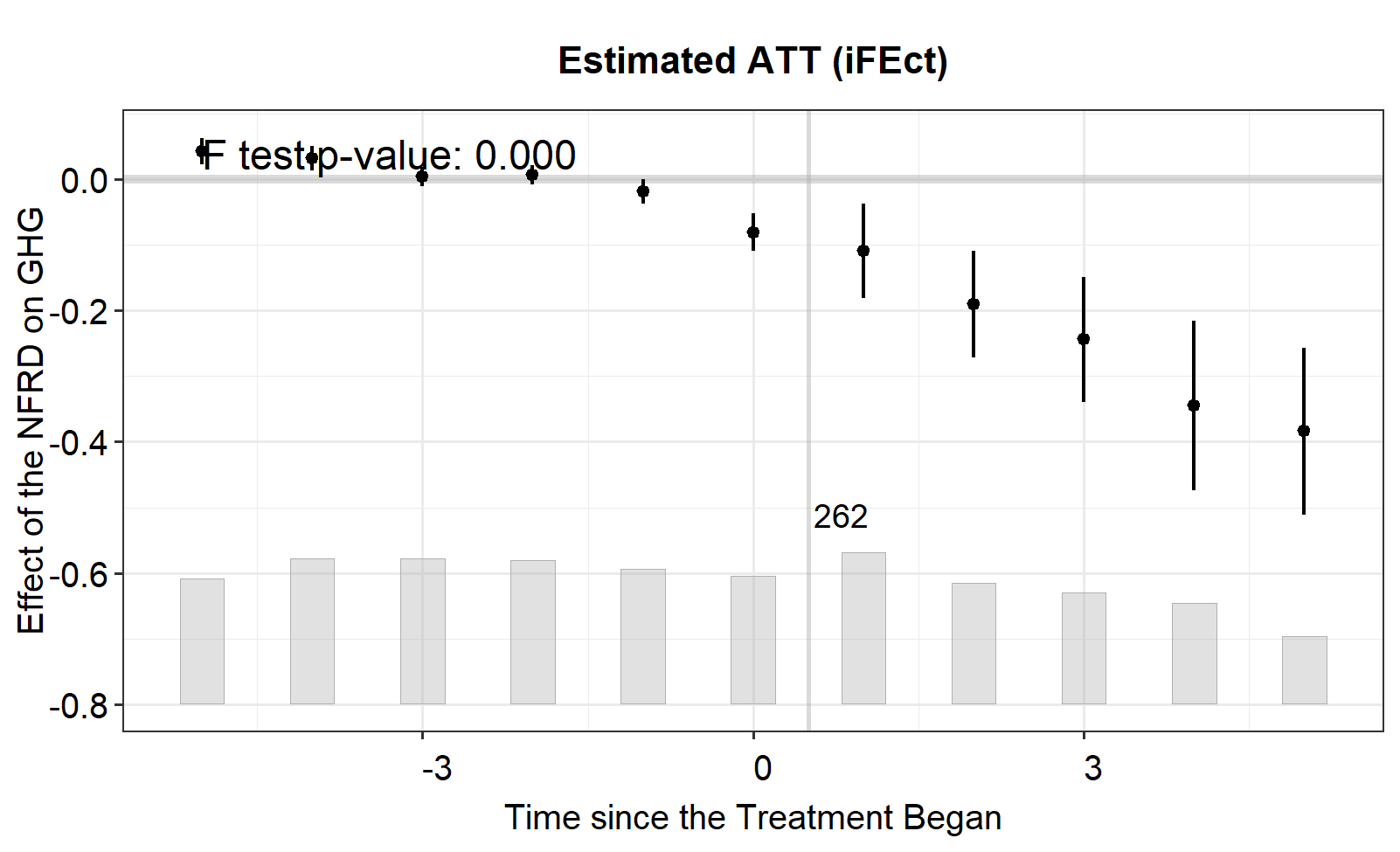
After compiling data for the EU-27 countries and the US from 2010 to 2021, our initial sample includes 45,000 independent observations, combining both EU and US groups. We then selected companies with at least one observation before 2016 and one observation after 2016. All selected companies met the NFRD criteria in terms of employee count and total assets. The final sample consists of 15,414 observations. Appendix B details the selection criteria for the data sample used in the study and provides a distribution of complete observations by year, by industry sectors and countries. These distributions remain consistent throughout the data selection process. We note an over-representation of observations after 2016, particularly in the US group. However, we do not believe this introduces significant bias into our results, as the synthetic control estimator used in this study selects companies with at least five years of observations before the treatment, thus smoothing the distribution of observations over the time period (see bar plots at the bottom of Figures 1, 2, 3). Descriptive statistics and correlation matrices of the data are presented in Appendix C.
We investigate the effects of the NFRD on real environmental outcomes of European firms, as explained by Hahn et al. (2023). The S&P Trucost Environmental database provides data on environmental performance metrics, specifically GHG emissions (tonnes of CO2), waste production (tonnes), and water purchase (cubic metre). Our analysis employs a difference-in-differences design, using European companies as the treatment group and US companies as baseline for the control group. To account for potential violations of the parallel trends assumption, we utilise a counterfactual control estimator based on a linear factor model. This approach allows for the consideration of time-varying factors (shocks) that affect all units but to which units may be differentially sensitive. The counterfactual estimators, as proposed by Liu et al. (2024), offer more reliable causal estimates compared to traditional two-way fixed effects (TWFE) models, especially in the presence of unobserved time-varying confounders. We estimate the Interactive Fixed Effects Counterfactual (IFEct) estimator and the Matrix Completion (MC) estimator models using bootstrap resampling with 500 iterations.
Given that the Directive was progressively transposed into national legislation between 2016 and 2018 in different Member States, we investigate how the effects of the NFRD evolved from the first year of its transposition in 2016 up to the year before its amendment in 2021.
The equation below defines our specification model for assessing the impact of the NFRD on environmental performance.
\[Environmental\ performan{ce}_{i,n} = \ \beta_{0} + \ \beta_{1}(After2026 \times EUGroup)_{i,n\ } + \ \beta_{2}\ Controls_{i,n\ } + Firm\ FE_{i} + Industry \times Year\ FE_{i,n} + \ \in_{i}\]
We used both the IFEct estimator and the MC estimator, as outlined by Liu et al. (2024). To account for heteroskedasticity, we employ robust standard errors clustered at the company level. The variable \(After2026 \times EUGroup\) is a binary variable equal to 1 for observations related to EU companies after the first year of the treatment period (2016). We control for time-invariant firm characteristics by adding firm fixed effects and for industry trends by adding \(Industry \times Year\) fixed effects. Industry fixed effects are based on the Standard Industrial Classification (SIC) system. To approximate the role that explicit country fixed effects would have captured — particularly regarding differences in national environmental regulatory frameworks — we also account for country heterogeneity and country-specific factors by including a country-level variable (crude oil import prices).
We use a set of six different dependent variables (\(Environmental\ performan{ce}_{i,n}\)) to assess the environmental performance of companies across three major dimensions: GHG emissions – Scope 1, Scope 2, and Scope 3 upstream (tonnes of CO2); waste production (tonnes); water consumption (cubic metres). These three dimensions are central to environmental scoring in CSR reporting (OECD 2020), providing a comprehensive view of companies’ environmental impacts. Additionally, we include a set of control variables, primarily focusing on companies’ size and financial performance. Details of these control variables are provided in Appendix A. All estimations were conducted using the RStudio fect package (Liu et al. 2024) and the fixest package (Bergé 2018).
Table 2 presents the estimated effect of the NFRD on European companies’ environmental performance. The Average Treatment Effect (ATT) is reported using three estimators: IFEct, MC, and TWFE, with 2016 as the baseline year for treatment. Full results, including details on the coefficients for covariates, can be found in Appendix D. Both the IFEct and MC estimators passed the placebo and pre-trend tests (see Appendix E). We use the iFECT estimator as the primary model for analysing the results. Figures 1, 2, 3 illustrate the ATT estimation results over time as the NFRD is transposed into national legislation, for the three environmental aspects of the study.
To test the robustness of our results, we conducted several additional analyses by modifying the model specification. We first compute the analysis with only company-fixed effects and included binary variable for years. We also performed the analysis with a random effects specification and applied an Ordinary Least Squares (OLS) estimator. Furthermore, we conducted robustness checks using the Two-Way Fixed Effects (TWFE) method, which is generally suitable for unbalanced panel data (Wooldridge 2019). Given the potential violation of the parallel trends assumption, we also applied the Inverse Probability of Treatment Weighting (IPTW) method (Abadie 2005; Roth et al. 2023). The results remain consistent across all these estimators.
Both the iFECT and MC estimators underwent placebo tests and pre-trend tests (Appendix E). For these estimators, the estimated ATT for the three-year period prior to 2016 was not significantly different from zero. Both iFECT and MC estimators passed the equivalence test (p = 0.000, Appendix E). As an additional robustness check (see Appendix E18 and E19), we examined whether the introduction of the NFRD (baseline 2016) affected the environmental performance of a sample of 2,017 Japanese and Swiss firms. Although the estimated coefficient is negative and statistically significant (p < 0.05), the specification failed the pre-trend test (equivalence test p > 0.005). This result indicates that the EU sample and the Japan/Swiss placebo sample did not follow comparable trajectories prior to the introduction of the NFRD. In other words, Japanese and Swiss firms were already on a different environmental performance path before 2016. Therefore, the observed post-2016 effect in these countries cannot be attributed to a general international trend toward improved sustainability performance. Instead, the pre-treatment improvement visible in Japan and Switzerland likely reflects domestic policy developments initiated prior to 2016. Consequently, we can rule out the possibility that the effect observed for EU firms is driven by broader international dynamics rather than the NFRD itself.
The S&P Environmental Trucost data are sourced from two main channels: either published directly by companies and collected by S&P Global, or, if unavailable, estimated by S&P Global using an internal model. This could introduce bias into the data estimation. Estimated data and disclosed data generally follow parallel trends but differ in levels. To account for this, we included a binary control variable to specify whether the data were estimated by S&P or published by the company, thereby controlling for this level difference.
To address Hypothesis 1 (H1), which examines the real effects of the NFRD on environmental performance, we refer to Figures 1, 2 and 3, as well as the sign of the coefficients for the six dependent variables in Table 2. The results indicate a generally negative pattern in these coefficients, suggesting improvements in environmental performance across the three environmental dimensions considered. Notably, the coefficients for all indicators, except water consumption, are statistically significant. The event study plots reveal an evolving trend over time as the Directive was progressively transposed into national legislation.
These findings imply that the NFRD has led to reductions in GHG emissions, waste production, and water consumption for European companies subject to the Directive, compared to companies which are outside the scope of the Directive. This supports H1, demonstrating a significant negative average effect of the NFRD on firms’ environmental performance. It is important to highlight that these results are general and may mask significant heterogeneity in the impact of the NFRD across different industry sectors. This point is further elaborated in Section 4.1.2.
Additionally, the negative effect of the Directive on GHG emissions, waste production, and water consumption remains consistent and becomes more pronounced as the Directive is transposed into national legislation by more Member States. This supports Hypothesis 2 (H2), indicating that the transposition of the NFRD into national legislation leads to an increasingly significant positive effect on firm-level environmental performance.
We now turn to the interpretation of the coefficients to understand the real effect of the Directive on the environmental performance of European companies. The coefficients derived from Model (4) in Table 2, which addresses the evolution of GHG emissions, are presented in Table 3. The results indicate that implementation of the NFRD led to a reduction in GHG emissions for European companies of approximately 14% to 22%, depending on the estimator.
| Table 2. Interpretation of ATT in Terms of GHG reduction. | ||
|---|---|---|
| Estimator | ATT | Effect on the NFRD on total GHG emissions* |
| iFECT | −0.2496 | −22.1% |
| MC | −0.2477 | −22.0% |
| TWFE - IPWT | −0.1473 | −13.69% |
| *Effect sizes are calculated as follows: exp(β) − 1 × 100. | ||
Figure 1. Dynamic treatment effect on total GHG emissions (together with 95% confidence interval).
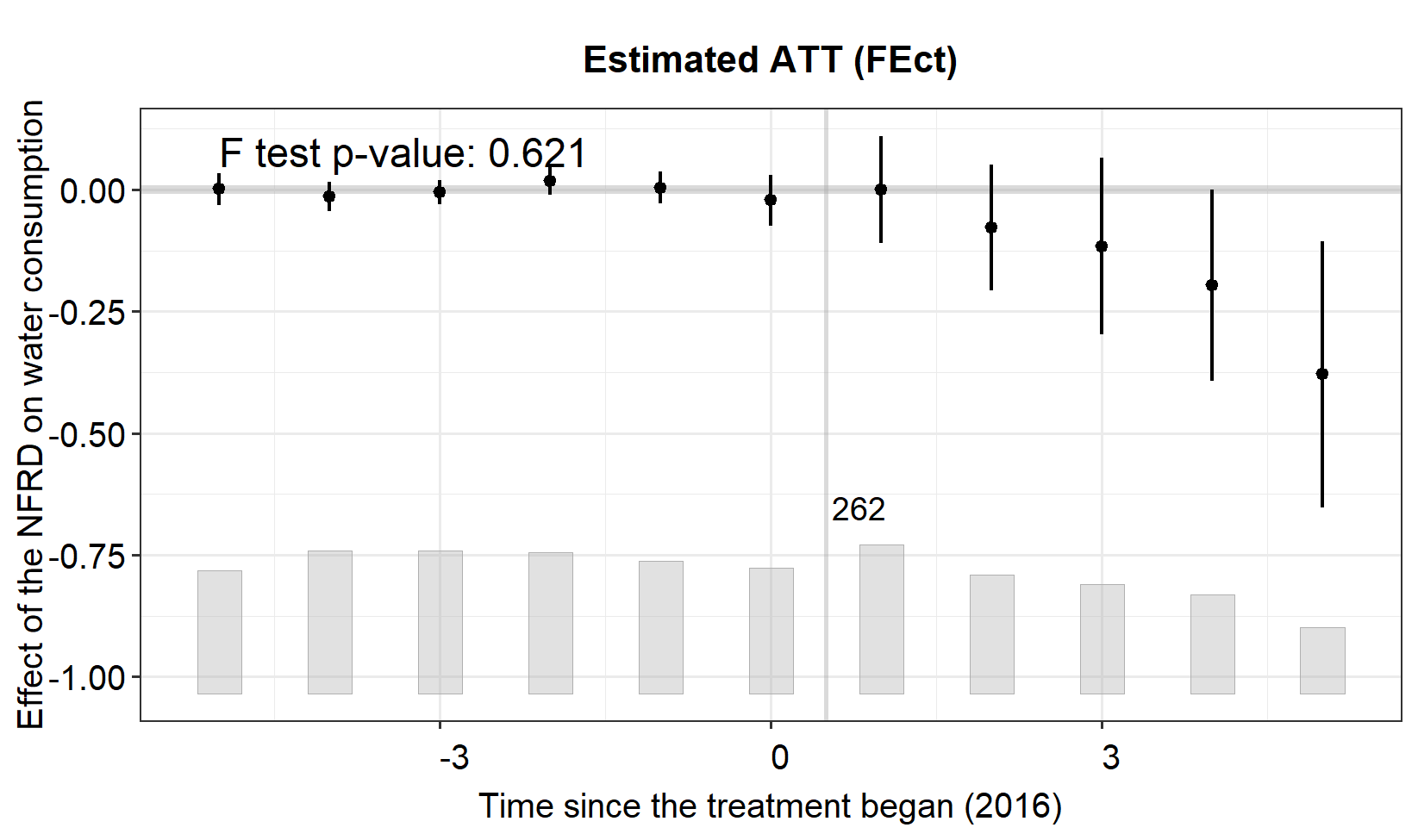
Figure 2. Dynamic treatment effect on water consumption (together with 95% confidence interval).
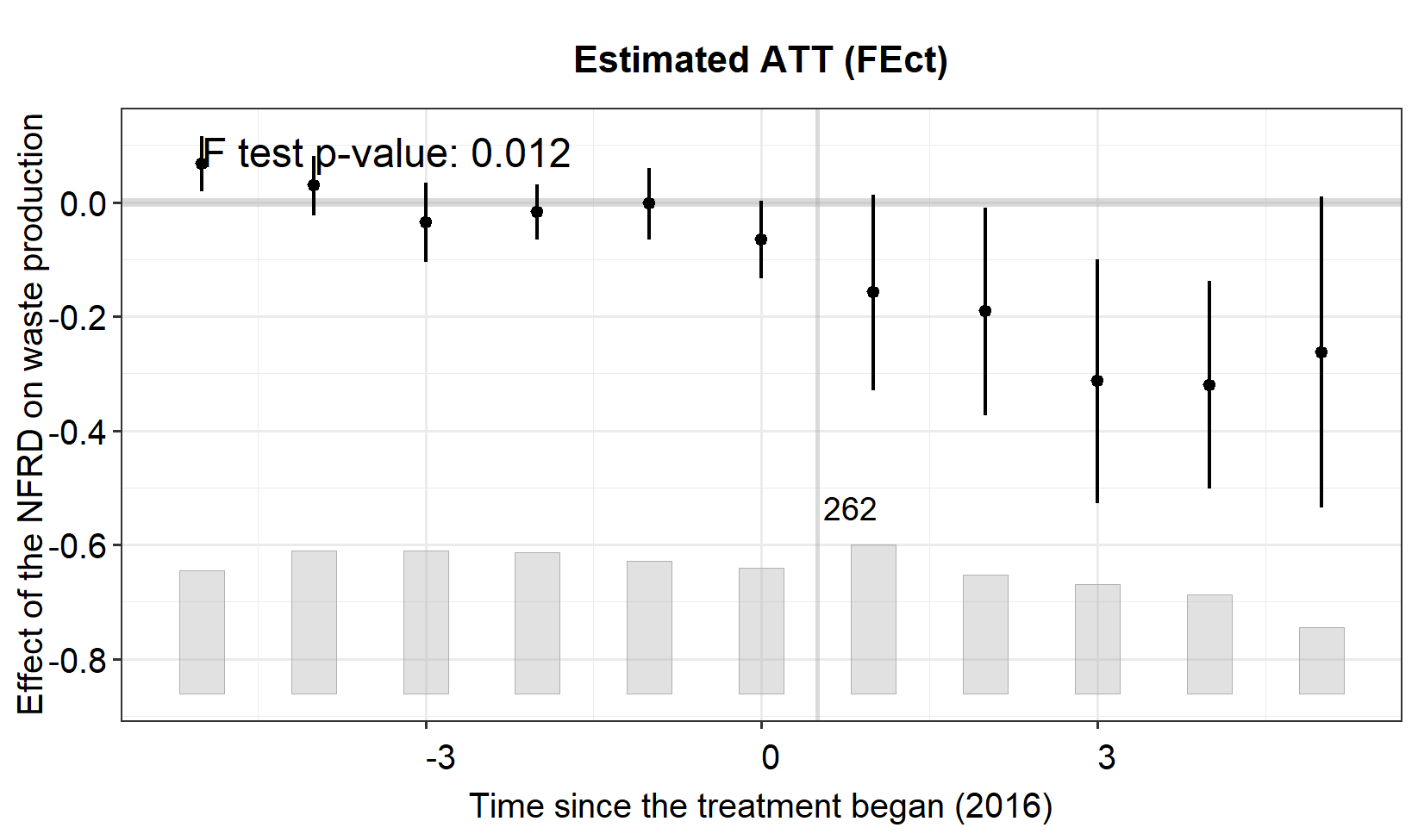
Figure 3. Dynamic treatment effect on waste production (together with 95% confidence interval).
| Table 3. ATT of the NFRD on environmental performance (IFEct, MC, and TWFE estimators). | |||
|---|---|---|---|
Dependent Variables Model |
GHG Scope 1 (1) ATT p-value |
GHG Scope 2 (2) ATT p-value |
GHG Scope 3 (3) ATT p-value |
iFECT estimator ATT |
-0.2096*** 0.0038 (0.07247) |
-0.2601*** 0.0004 (0.06357) |
-0.2630*** 4.793e-08 (0.04817) |
MC estimator ATT |
-0.2085*** 0.0031 (0.07059) |
-0.2578*** 0.0001 (0.06642) |
-0.2555*** 1.579e-07 (0.04873) |
TWFE + IPWT estimator ATT |
-0.1473*** 1.7873e-03 (0.0471) |
-0.2104*** 1.4695e-05 (0.0485) |
-0.1818*** 3.6162e-10 (0.0289) |
| # of obs. | 15,414 | 15,414 | 15,414 |
Covariates Firm FE Industry x Year FE |
Yes Yes Yes |
Yes Yes Yes |
Yes Yes Yes |
Dependent Variables Model |
GHG total (4) ATT p-value |
Water (5) ATT p-value |
Waste (6) ATT p-value |
iFECT estimator ATT |
-0.2496*** 1.715e-07 (0.04775) |
-0.2496*** 1.715e-07 (0.04775) |
-0.2389*** 0.0017 (0.07614) |
MC estimator ATT |
-0.2477*** 9.371e-08 (0.04640) |
-0.1470 0.0499 (0.07498) |
-0.2371** 0.0012 (0.07307) |
TWFE + IPWT estimator ATT |
-0.1814*** 3.6599e-09 (0.0306) |
-0.0742 0.1588 (0.0527) |
-0.1181 0.0116 (0.0468) |
| # of obs. | 15,414 | 15,414 | 15,414 |
Covariates Firm FE Industry x Year FE |
Yes Yes Yes |
Yes Yes Yes |
Yes Yes Yes |
Note: Clustered (firm) standard-errors in parentheses. Significance Codes: ***: 0.01, **: 0.05, *: 0.1. |
|||
A sector-specific approach provides a more detailed understanding of how the NFRD influences reductions in GHG emissions, waste production and water consumption across different industries. This approach would also facilitate the identification of sector-specific challenges for refining targeted regulatory requirements in future policy discussions. Given the substantial variation across industries in terms of GHG emissions and their distribution across Scope 1, 2 and 3 upstream, as shown in Table 4, conducting an industry-level analysis of the effect of the NFRD is relevant for understanding its nuanced impact.
Industries differ significantly not only in their total GHG emissions but also in how those emissions are allocated across different scopes. For example, sectors such as Consumer Staples (manufacturing), the Energy industry, and Consumer Discretionary industry tend to have high Scope 2 emissions due to their reliance on purchased electricity and other external energy sources. In contrast, Scope 3 upstream emissions, stemming from indirect sources such as supply chains, transportation, and product lifecycle impacts, are particularly relevant for industries like Utilities and Materials, where emissions from downstream and upstream activities dominate. Given these variations, one could argue that the effectiveness of the NFRD in driving emissions reductions could depend on its potential impact on industries with the highest GHG emissions, particularly in the scopes most relevant to their operations. For the Energy industry, a reduction in Scope 2 emissions from purchased energy and Scope 3 upstream emissions from supply chain and distribution activities would indicate regulatory-driven improvements. In the Materials industry, where production processes are energy-intensive, reductions in Scope 2 emissions would suggest NFRD-driven energy efficiency improvements. For the Utilities sector, which generates substantial indirect emissions from customer energy use and supply chain activities, a decrease in Scope 3 upstream emissions would signal broader regulatory effectiveness. We analysed the impact of the NFRD at the industry group level using the same methodology as presented in Section 3.3. Full results are presented in Appendix D15 and a streamlined version is presented in Table 5.
| Table 4. Greenhouse Gas emissions by industry group. | ||||
|---|---|---|---|---|
| Industry group | Total GHG emissions (tonnes of CO2) (Mean per company, per year) |
Scope 1 Scope 2 Scope 3 (% of total GHG emissions) |
||
| Communication Services | 577,899 | 31% | 63% | 5% |
| Consumer Discretionary | 1,508,919 | 9% | 82% | 9% |
| Consumer Staples | 3,814,071 | 5% | 87% | 8% |
| Energy | 13,556,409 | 4% | 48% | 48% |
| Financials | 355,496 | 12% | 83% | 5% |
| Health Care | 773,257 | 15% | 71% | 14% |
| Industrials | 1,945,656 | 7% | 72% | 21% |
| Information Technology | 531,181 | 14% | 80% | 6% |
| Materials | 13,865,173 | 11% | 31% | 58% |
| Utilities | 8,012,400 | 4% | 24% | 72% |
| All Industries – Mean | 4,494,046 | 11% | 64% | 25% |
| Table 5. Average Treatment Effect (ATT) of NFRD per industry group – iFECT estimator. | ||||||
|---|---|---|---|---|---|---|
| Industry group models | Total GHG (1) |
Scope 1 (2) |
Scope 2 (3) |
Scope 3 upstream (4) |
Water (5) |
Waste (6) |
| Communication Services | -0.0516 | -0.1019 | 0.0936 | -0.1099 | -0.2321 | 0.0048 |
| Consumer Discretionary | -0.0665 | -0.6724*** | -0.2369 | -0.0558 | 0.2179 | -0.3376* |
| Consumer Staples | Insufficient observations | |||||
| Energy | -0.0849 | -0.7176** | -0.1221 | 0.0900 | 0.0048 | -0.0563 |
| Financials | -0.248*** | -0.0806 | -0.1339 | -0.244*** | -0.0945 | -0.4996*** |
| Health Care | -0.2914*** | -0.2072 | -0.2458 | -0.2894** | 0.0380 | -0.2592 |
| Industrials | -0.1783* | -0.0817 | -0.191* | -0.2122** | -0.0719 | -0.3808** |
| Information Technology | -0.215 | 0.0614 | -0.1566 | -0.254 | -0.2115 | -0.1656 |
| Materials | -0.1203 | -0.1771 | -0.4369** | -0.1440 | -0.2404 | 0.3118 |
| Utilities | -0.1452 | -0.1503 | -0.1003 | -0.1345* | -0.1468 | 0.0262 |
Note: Industry × Year FE : Yes. Firm Fixed Effects: Yes. Control Variables: Yes. Significance Codes: *** 0.01, ** 0.05, * 0.1. |
||||||
The analysis reveals heterogeneous effects of the NFRD on GHG emissions across different sectors. In industries such as Communication Services, Consumer Discretionary, Energy, Information Technology, and Utilities, there are no statistically significant changes in total GHG emissions, suggesting that the NFRD has not led to measurable reductions in these sectors. In contrast, the Financial and Health Care sectors exhibit significant decreases in their overall emissions, indicating that these industries may be more responsive to the Directive’s disclosure requirements and external pressures related to sustainability reporting. Companies in sectors like Financials and Health Care, because of the nature of their economic activity, may be more responsive to external pressures, such as investor and shareholder demand for sustainable practices and consumer preferences and expectations. This sensitivity to stakeholder exposure is illustrated by the observed changes in emissions, which are driven by significant reductions in Scope 3 upstream emissions. This indicates that companies are focusing on mitigating emissions related to consumer-facing activities.
A particularly notable finding is that high-emission industries, such as Energy, Materials, and Utilities, do not show any statistically significant reductions in total GHG emissions following the implementation of the NFRD. This suggests that, despite the Directive’s intent to enhance corporate accountability and transparency, it has not driven substantial emission reduction within the most carbon-intensive sectors. However, when analysing emissions at the scope level, a more nuanced understanding emerges. Specifically, in the Materials sector, Scope 2 emissions, which account for 31% of this industry’s total GHG emissions, show a significant decline. This finding suggests that the NFRD may have contributed to improved energy efficiency or a shift toward lower-carbon energy sources in this sector. Beyond this isolated case, no other significant effects are observed across Scope 1, Scope 2, or Scope 3 upstream emissions for the three highest-emitting industries in the sample. Industries such as Energy and Utilities are typically energy-intensive, with their value chains heavily relying on oil and carbon. For these sectors, achieving significant reductions in GHG emissions requires substantial and costly investments in technology, infrastructure, or energy sources, explaining the absence of any environmental improvement. This indicates that the reductions in GHG emissions identified in the overall analysis as discussed in Section 4.1.1, are primarily driven by industries that are not among the top emitters, such as Financial companies and the Health Care sector. These results raise important questions about the NFRD’s effectiveness in influencing emission reductions in the most polluting industries and suggest that additional regulatory mechanisms or stronger enforcement measures may be necessary to drive meaningful changes in high-emission sectors.
The NFRD primarily targets EU-based companies but extends its reporting requirements to non-EU companies with significant operations within the EU, such as through subsidiaries or major business activities. This raises the possibility of regulatory spillover effects, particularly for US companies, where those with EU-related operations may adopt more comprehensive CSR disclosure practices (Brussels Effect). We address this question by broadening the scope of our initial study to include US companies with varying degrees of exposure to EU regulatory environments. In this revised empirical framework, the treatment group consists of US companies that conduct a portion of their business activities within EU Member States. As a new treatment group specification, we focus on a subset of the original US company sample (which was not included in the first analysis) that includes US-based companies with at least one subsidiary operating within the EU. These firms represent 3,509 observations drawn from approximately 376 companies. To accurately identify and classify these companies based on the mentioned criteria, we rely on data from the US Securities and Exchange Commission’s Electronic Data Gathering, Analysis, and Retrieval (EDGAR) database. The EDGAR database provides information on U.S. companies, including detailed listings of their subsidiaries and the geographic locations of their operations worldwide. Appendix C11 shows that US firms with subsidiaries in the EU are, on average, considerably larger than those operating exclusively in the United States, both in terms of employment and financial performance. Such differences may affect the quality and reliability of our estimates. To address this concern, we rely on counterfactual estimators to construct synthetic control groups using bootstrap-based methods. These methods ensure that the control group datasets closely match the treated firms across key covariates, including number of employees, financial indicators, and industry composition (Liu et al. 2024).
The equation below defines our specification model for assessing the impact of the NFRD on environmental performance.
\[Environmental\ performan{ce}_{i,n} = \ \beta_{0} + \ \beta_{1}(After2026 \times US\ companies\ partially\ operating\ in\ the\ EU)_{i,n\ } + \ \beta_{2}\ Controls_{i,n\ } + Firm\ FE_{i} + Industry \times Year\ FE_{i,n} + \ \in_{i}\]
We use the iFECT estimator as explained in Section 3.3. To account for heteroskedasticity, we use robust standard errors clustered at the company level. The variable \(After2026 \times US\ companies\ partially\ operating\ in\ the\ EU\) is a binary variable that equals 1 for observations related to US companies having at least one subsidiary located in the EU territory after 2016, the first year of the treatment period. We control for time-invariant firm characteristics by adding firm fixed effects and for industry trends by adding industry × year fixed effects. Results are presented in Table 6.
The results show statistical significance, indicating that US companies with a presence in the EU experience a measurable impact from the NFRD in terms of environmental performance compared to those whose operations are entirely within the US. This finding highlights the broader extraterritorial effects of EU regulations, which seem to extend beyond the EU’s borders. The EU’s sustainability and transparency requirements set standards that multinational companies must comply with to maintain access to European markets. As a result, even firms headquartered outside the EU may adopt stricter environmental reporting practices to align with EU Directives, leading to improvements in their environmental performance. This empirically reflects the Brussels Effect, where the EU’s regulatory influence compels companies worldwide to adopt its standards as a competitive strategy to access the European market.
| Table 6. Brussels effect of the NFRD on US companies with subsidiaries in EU (iFECT estimator). | |||
|---|---|---|---|
Dependent variables: Model: |
GHG total (1) |
Water consumption (2) |
Waste production (3) |
| Variables | |||
| ATT | -0.2058** | -0.1340** | -0.02624 |
| (0.06814) | (0.0550) | (0.09132) | |
| Size: employee | 5.142e-05 | 0.0013 | 2.128e-04 |
| (3.088e-03) | (0.0011) | (3.068e-03) | |
| Size: revenue | 6.977e-06** | 3.82 e-06* | 4.026e-06 |
| (3.319e-06) | (2.04e-06) | (4.347e-06) | |
| Size: total assets | 1.351e-06 | 1.03 e-06* | 1.611e-06 |
| (1.271e-06) | (6.01e-07) | (1.141e-06) | |
| Data source (Scope 1) | -1.372e-02 | -0.0554 | 6.185e-02 |
| (4.871e-02) | (0.0819) | (7.471e-02) | |
| Data source (Scope 2) | -1.330e-03 | 0.0192 | 3.083e-02 |
| (4.065e-02) | (0.0755) | (7.431e-02) | |
| US GHG reporting program | -8.393e-02* | -0.0222 | -7.155e-02 |
| (4.020e-02) | (0.0546) | (4.974e-02) | |
Fixed effects Firm Industry year |
Yes Yes |
Yes Yes |
Yes Yes |
F test p-value Observations |
0.049 12,290 |
0.233 12,290 |
0.976 12,290 |
Note: Clustered (gvkey) standard-errors in parentheses. Significance Codes: ***: 0.01, **: 0.05, *: 0.1. |
|||
This study examines the effectiveness of the NFRD from both a theoretical and empirical perspective. Theoretically, it builds on insights from CSR and New Governance literature, as well as EU documents that preceded the NFRD’s adoption (the Proposal for a Directive of the European Parliament and of the Council on the disclosure of non-financial and diversity information by certain large companies and groups, and the Commission Staff Working Document Impact Assessment that accompanied the Proposal). Empirically, it assesses the Directive’s impact on CSR performance within the EU and its broader effects beyond EU borders (the Brussels Effect). This study contributes to the scientific literature in several ways.
First, this study theoretically examines the NFRD through the lens of New Governance theory, shedding light on the arguments supporting the EU non-financial disclosure mandate voted in 2014 as a New Governance public policy tool. We analyse the content of the preparatory documents that shaped the NFRD, including the Proposal for a Directive of the European Parliament and of the Council on the Disclosure of Non-Financial and Diversity Information and the Commission Staff Working Document Impact Assessment accompanying the Proposal, in light of the New Governance theory. While traditional government regulation only involves the government as regulator and corporate self-regulation only involves companies in regulating CSR activities, tools of the New Governance theory seem to balance this dichotomy by involving civil society and financial markets as third actors. While government regulation often faces the challenge of a “one-size-fits-all” approach and self-regulation is sometimes viewed as a form of “deregulation” (Sinclair 1997), we argue that in the context of CSR policies, the New Governance theory offers tools that should lead to improved environmental and social performance. This is achieved by fostering experimentation at the local level, referring to the engagement in decision-making processes of non-state actors (Lobel 2004), and with policies tailored to the specific characteristics of individual companies. In line with New Governance theory, the NFRD was designed to balance corporate flexibility with stakeholder accountability. Drawing from preparatory documents, the Directive emphasizes a flexible, non-intrusive approach, allowing companies to use existing reporting frameworks to ensure transparency of non-financial information. The analysis provides empirical support for New Governance theory as an effective mechanism for enhancing CSR performance.
Second, this study makes an empirical contribution to the literature related to non-financial reporting mandates by providing evidence of the effectiveness of the NFRD in terms of environmental outcomes as defined by Hahn et al. (2023) (e.g., GHG emissions, water consumption, and waste production). The requirement to publish non-financial information was designed to enhance social and environmental responsibility of European companies by reducing information asymmetry regarding their non-financial performance. The results suggest that greater transparency in non-financial performance, as legally required by the NFRD provisions, leads to improved environmental outcomes (H1), that these effects strengthen over time as the EU NFRD is progressively transposed into national legislation by EU Member States (H2) and that these effects extend beyond the EU territory, providing evidence of the Brussels Effect (H3). Although the European case does not represent a strict mandate to publish non-financial information due to the “comply or explain” principle, the empirical findings are consistent with existing literature in CSR or finance fields on the effects of strict non-financial disclosure mandates (without “comply or explain” clauses) implemented worldwide (Christensen et al. 2017; Chen et al. 2018; Jackson et al. 2020; Christensen et al. 2021; Fiechter et al. 2022; Cuomo et al. 2022). These results align with existing theoretical and empirical literature, which suggests that increased CSR transparency prompts stakeholders to exert pressure on firms, leading to improved CSR activities and outcomes (Chen et al. 2018; Jackson et al. 2020; Christensen et al. 2021; Fiechter et al. 2022).
Nevertheless, the analysis shows that the NFRD’s impact on GHG emissions varies across sectors. While industry sectors such as Communication Services, Consumer Discretionary, Energy, Information Technology, and Utilities show no significant reductions in GHG emissions, the Financial and Health Care sectors demonstrate notable decreases. High-carbon emission industries such as Energy, Materials, and Utilities do not experience statistically significant reductions in total GHG emissions. This suggests that the NFRD has not led to measurable changes in emissions in the most carbon-intensive sectors, and that the validation of our research hypothesis is driven by the significant impact of the NFRD in sectors with lower GHG emissions. It also suggests that the legal framework as stated in the NFRD (mainly, no reporting standards, no key indicators to publish) may not be sufficiently targeted for industries with high environmental footprints. One could argue that these heavy polluting sectors, due to their inherent nature and intensive energy consumption, might require more targeted, sector-specific regulations that go beyond the horizontal approach of non-financial disclosure requirements as specified in the NFRD. In addressing high-emission sectors, policymakers should consider going beyond the simple obligation of non-financial reporting by implementing sector-specific carbon benchmarks that establish tailored emission-reduction targets consistent with the net-zero objectives of the Paris Agreement. Binding measures that put GHG reduction commitments into practice could serve as a strong tool for improving the CSR performance of heavy-polluting industries, as emissions reduction lies at the core of their operations and constitutes perhaps the most critical pillar of their environmental responsibility.
These results have significant implications for EU regulations aimed at achieving a carbon-neutral economy by 2050, particularly through the development of a sustainable financial market model. These findings give insights into both (i) the overall direction taken by the European Commission in implementing sustainable financial market policies, such as the EU Taxonomy, and (ii) recent developments of EU regulations specifically related to non-financial information asymmetry on consumption and financial markets. Notably, the CSRD, which amends the NFRD and makes the disclosure requirements more stringent by eliminating the “comply or explain” principle and imposing standardized publication requirements (European Sustainability Reporting Standards). The CSDDD goes one step further by holding companies accountable for their published environmental performance. It requires companies to align their business models and strategies with the goals of the Paris Agreement, specifically limiting global warming to 1.5°C and achieving climate neutrality by 2050, through the implementation of their Climate Transition Plans. The requirement to adhere to the standards outlined in the CSRD, along with the recently introduced mandate for publishing Climate Transition Plans, could help address the issue of heterogeneity across industry groups discussed above by providing a stronger incentive for heavy-polluting sectors to engage in a climate-neutral economic transition. Moreover, the ongoing discussions within EU institutions on simplifying sustainable corporate disclosure aimed at reducing the administrative burden on This study contributes to the growing field of Empirical Legal Studies, assessing ex post the actual impact of EU regulation on corporate sustainability practices. This research highlights the importance of integrating empirical analysis, both quantitative and qualitative, into the European legal context. It gives support to the complementarity between traditional doctrinal approaches and empirical legal research in gaining a clearer understanding of existing regulations and their limitations (Bétaille 2025).
This research opens the door to further questions and areas for investigation. The gradual implementation of EU regulatory measures aimed at enhancing transparency in non-financial information over the past decade has had a significant impact on corporate non-financial reporting. By increasing transparency, these regulations encourage companies to disclose more reliable and standardized data on their environmental and social impact, with the goal of reducing the likelihood of misleading sustainability claims (European Commission 2011).
However, disclosure mandates may create new opportunities for greenwashing if they are not accompanied by robust verification and enforcement mechanisms, especially in the case of the NFRD where there is no standard of publication required and no binding requirement to put into effect corporate sustainable claims. Instead of adopting genuine sustainability strategies, companies might focus on producing reports that create an image of environmental responsibility without taking meaningful action, as observed in Jiang et al. (2025).
The introduction of the CSDDD might tackle this issue by mandating companies to put into action their climate transition plans published under the CSRD and the ESRS, thereby linking disclosure to concrete operational commitments. However, its effective implementation is now under discussion at the EU Parliament, and enforcement challenges remain substantial. Therefore, further empirical research is needed to explore the impact of these Directives on greenwashing practices, where companies may exaggerate their sustainability commitments in official communications or newly published CSRD reports. Future studies should examine whether the combination of disclosure mandates (CSRD) and due diligence requirements (CSDDD) successfully closes the gap between reported commitments and actual environmental performance, or whether firms continue to exploit information asymmetries to maintain favourable sustainability reputations without CSR improvements.
Certain limitations related to our methodological choices and empirical setting must be acknowledged. First, due to the absence of data on companies that chose not to publish information or their reasons for doing so, this study cannot fully isolate the impact of the Directive’s introduction of the “comply or explain” principle. A similar approach, known as “apply or explain” principle has been adopted in South Africa for non-financial disclosure requirements. However, empirical evidence on its effectiveness remains scarce, highlighting the need for further research. In the European context, studies evaluating the “comply or explain” principle rely on qualitative data (Pizzi et al. 2021). Future research could employ alternative empirical strategies to better isolate the mechanisms through which the “comply or explain” framework influences corporate behavior. One promising avenue involves laboratory experiments using public bad games. Such experiments could identify whether the flexibility inherent in “comply or explain” induces different behavioral responses than hard mandates, and whether the requirement to justify non-compliance generates reputational costs on the financial market to encourage disclosure. Field experiments or natural experiments exploiting variation in enforcement intensity across EU member states could complement laboratory findings by providing real-world evidence on how firms weigh compliance costs against reputational risks. Additionally, collecting primary data through surveys or interviews with corporate decision-makers could help us understand how the soft “comply or explain” principle helps to reduce the administrative burden on companies for which the collection and publication of non-financial data might be onerous.
Second, it is important to note that the European companies in our sample could voluntarily publish non-financial information prior to the Directive’s introduction. We focus here on the mandatory aspect of the publication of non-financial information rather than on the publication of the information itself. However, this does not affect our results, as the data used in this study stem from the mandatory publication requirement.
Third, this study specifically examines the impact of the NFRD on environmental outcomes. We acknowledge that this is an important limitation. Environmental performance constitutes only one pillar of corporate sustainability, and the Directive’s influence on social dimensions, such as labor practices, diversity, and community engagement as well as governance aspects, remains underexplored. These dimensions may respond differently to disclosure mandates given variations in measurement complexity and stakeholder engagement. Future research should prioritize developing comparable social and governance metrics and studies to provide a more holistic assessment of the NFRD’s impact on CSR.
Fourth, while the European Commission’s identifies two key transmission channels for the effects of non-financial disclosure — the financial market and the consumer market — we lack data to determine which channel drives the observed effects. Our study relies on a financial market–oriented database that standardizes both financial and non-financial data across a large number of companies. Therefore, we hypothesize that the effects observed are primarily driven by the financial investment channel. However, non-financial information is also publicly available on corporate websites, making it accessible to consumers. To better understand the specific channels through which non-financial disclosure influences corporate behavior, further research is needed.
Fifth, this analysis focuses on the mandate’s impact on CSR levels but does not examine Corporate Social Irresponsibility (CSiR). While the S&P Trucost Environmental database provides various environmental performance indicators, it does not include measures of corporate irresponsibility, such as environmental scandals reported in the media. This gap warrants greater attention in future academic research (Jackson et al. 2020).
Finally, this study contrasts voluntary disclosure under self-regulation with mandatory disclosure under a New Governance framework. However, we do not assess whether New Governance mechanisms are more or less effective than stricter government regulations, nor do we examine whether slightly stricter New Governance tools, such as the CSRD and its reporting standards (European Sustainability Reporting Standards), differ in their effectiveness. Future research should explore this comparison to provide deeper insights into the effectiveness of different regulatory approaches.
Abadie, Alberto. 2005. “Semiparametric difference-in-differences estimators.” The Review of Economic Studies 72, (1): 1–19. https://doi.org/10.1111/0034-6527.00321
Aboud, Ahmed, Ahmed Saleh, and Yasser Eliwa. 2024 “Does mandating ESG reporting reduce ESG decoupling? Evidence from the European Union’s Directive 2014/95.” Business Strategy and the Environment 33, (2): 1305–1320
Adams, Carol A. 2004. “The ethical, social and environmental reporting-performance portrayal gap.” Accounting, Auditing & Accountability Journal 17, (5): 731–757. https://doi.org/10.1108/ 29 09513570410567791
Akerlof, George A. 1978. "The market for “lemons”: Quality uncertainty and the market mechanism." In Uncertainty in economics, pp. 235-251. Academic Press.
Amel-Zadeh, Amir and George Serafeim. 2018. “Why and how investors use ESG information: Evidence from a global survey.” Financial Analysts Journal 74, (3): 87–103. https://doi.org/10.2469/faj.v74.n3.2
Ayres, Ian. 1992. Responsive Regulation: Transcending the Deregulation Debate. Vol. 35. Oxford University Press.
Baldwin, Robert, Martin Cave, and Martin Lodge, eds. 2010. The Oxford handbook of regulation. Oxford Handbooks Online.
Bansal, Pratima and Kendall Roth. 2000. “Why Companies Go Green: A Model of Ecological Responsiveness.” Academy of Management Journal 43 (4): 717–736. https://doi.org/10.5465/1556363
Bell, Stephen, and Andrew Hindmoor. 2009. Rethinking governance: The centrality of the state in modern society. Cambridge University Press.
Bergé, Laurent. 2018. Efficient estimation of maximum likelihood models with multiple fixed-effects: the R package FENmlm. CREA Discussion Papers (13) .
Bétaille, Julien. 2025. "From Doctrine to Data: Towards an Empirical Turn in European Legal Scholarship." European Journal of Empirical Legal Studies 2 (1). https://doi.org/10.62355/ejels.25120
Bolton, Patrick and Marcin Kacperczyk. 2021. “Do investors care about carbon risk?” Journal of Financial Economics 142 (2): 517–549. https://doi.org/10.1016/j.jfineco.2021.05.008
Bradford, Anu. 2020. The Brussels effect: How the European Union rules the world. Oxford University Press.
Brunner, Markus and Andreas Ostermaier. 2019. “Peer influence on managerial honesty: The role of transparency and expectations.” Journal of Business Ethics 154 (1): 127–145. https://doi.org/10.1007/ s10551-017-3459-9
Chatterji, Aaron K., Rodolphe Durand, David I. Levine, and Samuel Touboul. 2016. “Do ratings of firms converge? Implications for managers, investors and strategy researchers.” Strategic Management Journal 37 (8): 1597–1614. https://doi.org/10.1002/smj.2407
Chatterji, Aaron K. and Michael W. Toffel. 2010. “How firms respond to being rated.” Strategic Management Journal 31 (9): 917–945. https://doi.org/10.1002/smj.840
Chen, Yi-Chun, Mingyi Hung, and Yongxiang Wang. 2018. “The effect of mandatory CSR disclosure on firm profitability and social externalities: Evidence from China.” Journal of Accounting and Economics 65 (1): 169–190. https://doi.org/10.1016/j.jacceco.2017.11.009
Christensen, Hans B., Eric Floyd, Lisa Yao Liu, and Mark Maffett. 2017. “The real effects of mandated information on social responsibility in financial reports: Evidence from mine-safety records.” Journal of Accounting and Economics 64 (2-3): 284–304. https://doi.org/10.1016/j.jacceco.2017.08.001
Christensen, Hans B., Luzi Hail and Christian Leuz. 2021. “Mandatory CSR and sustainability reporting: Economic analysis and literature review.” Review of Accounting Studies 26 (3): 1176–1248. https://doi.org/10.1007/s11142-021-09609-5
Cicchiello, Antonella Francesca, Ferdinando Marrazza, and Salvatore Perdichizzi. 2023. “Non-financial disclosure regulation and environmental, social, and governance (ESG) performance: The case of EU and US firms.” Corporate Social Responsibility and Environmental Management 30 (3): 1121–1128. https://doi.org/10.1002/csr.2408
Cohen, Jeffrey R., and Roger Simnett. 2015. “CSR and assurance services: A research agenda.” Auditing: A Journal of Practice & Theory 34 (1): 59–74. https://doi.org/10.2308/ajpt-50876
Cuomo, Francesca, Silvia Gaia, Claudia Girardone, and Stefano Piserà. 2024. “The effects of the EU non-financial reporting directive on corporate social responsibility.” The European Journal of Finance 30 (7): 726–752. https://doi.org/10.1080/1351847X.2022.2113812
De Villiers, C., J. Dumay, F. Farneti, J. Jia, and Z. Li. 2025. Reprint of: Does mandating corporate social and environmental disclosure improve social and environmental performance?: Broad-based evidence regarding the effectiveness of Directive 2014/95/EU. The British accounting review 57 (1): 101558
Deegan, Craig and Michaela Rankin. 1996. “Do Australian companies report environmental news objectively? An analysis of environmental disclosures by firms prosecuted successfully by the Environmental Protection Authority.” Accounting, Auditing & Accountability Journal 9 (2): 50–67. https://doi.org/10.1108/09513570210435861
Downar, Benedikt, Jürgen Ernstberger, Stefan Reichelstein, Sebastian Schwenen, and Aleksandar Zaklan. 2021. “The impact of carbon disclosure mandates on emissions and financial operating performance.” Review of Accounting Studies 26: 1137–1175. https://doi.org/10.1007/s11142-021-09611-x
Marion, Draghi. 2024. The future of European competitiveness, Part B — In-depth analysis and recommendations. Accessed: March 13, 2025.
El Ghoul, Sadok, Omrane Guedhami, Hakkon Kim and Kwangwoo Park. 2018. “Corporate environmental responsibility and the cost of capital: International evidence.” Journal of Business Ethics 149: 335–361. https://doi.org/10.1007/s10551-015-3005-6
Ernst, Eve. 2025. “From Mandatory CSR Reporting to Environmental Impact: Assessing the Effectiveness of the EU NFRD in Reducing Corporate GHG Emissions.” European Company Law 22 (4/5). https://doi.org/10.54648/eucl2025027
European Commission. 2011. A renewed EU strategy 2011-14 for Corporate Social Responsibility
European Commission. 2013. Commission Staff working document Impact Assessement Accompanying the document Proposal for a Directive of the European Parliament and of the Council amending Council Directives 78/660/EEC and 83/349/EEC as regards disclosure of non-financial and diversity information by certain large companies and groups. SWD(2013) 127 final.
European Parliament and European Council. 2013. Proposal for a Directive of the European Parliament and of the Council amending Council Directives 78/660/EEC and 83/349/EEC as regards disclosure of non-financial and diversity information by certain large companies and groups.
Fernandez-Feijoo, Belen, Silvia Romero, and Silvia Ruiz. 2014. “Effect of stakeholders’ pressure on transparency of sustainability reports within the gri framework.” Journal of Business Ethics 122 (1): 53–63. https://doi.org/10.1007/s10551-013-1748-5
Fiechter, Peter, Jörg-Markus Hitz, and Nico Lehmann. 2022. “Real Effects of a Widespread CSR Reporting Mandate: Evidence from the European Union’s CSR Directive.” Journal of Accounting Research 60: 1499–1549. https://doi.org/10.1111/1475-679X.12424
Giannarakis, Grigoris, George Konteos, Nikolaos Sariannidis, and George Chaitidis. 2017. “The relation between voluntary carbon disclosure and environmental performance: The case of S&P 500.” International Journal of Law and Management 59 (6): 784–803. https://doi.org/10.1108/IJLMA-05-2016-0049
Gneezy, Uri and Aldo Rustichini. 2000.” A Fine is a Price.” The Journal of Legal Studies 29 (1): 1–17. https://doi.org/10.1086/468061
Gramlich, Jeffrey, and Li Huang. 2017. “The Effect of Mandated CSR Disclosure on the Pollution Levels of Publicly-Traded Chinese Firms.” Available at SSRN 2906533 https://doi.org/10.2139/ssrn. 2906533
Hahn, Rüdiger, Daniel Reimsbach, and Christopher Wickert. 2023, Mar. “Nonfinancial Reporting and Real Sustainable Change: Relationship Status—It’s Complicated.” Organization & Environment 36 (1): 3–16. https://doi.org/10.1177/10860266231151653
David Hess. 2005, Sep. “Social Reporting and New Governance Regulation: The Prospects of Achieving Corporate Accountability Through Transparency.” Business Ethics Quarterly 17. https://doi.org/10.5840/beq200717348
David Hess. Corporate Social Responsibility and the Law, In Corporate Social Responsibility, ed. Allouche, J., 154–180. Hampshire, UK: Palgrave Macmillan, 2006.
David Hess. 2008. “The three pillars of corporate social reporting as new governance regulation: Disclosure, dialogue, and development.” Business Ethics Quarterly 18 (4): 447–482. https://doi.org/10.5840/beq200818434
Jackson, Gregory, Julia Bartosch, Emma Avetisyan, Daniel Kinderman, and Jette Steen Knudsen. 2020. “Mandatory non-financial disclosure and its influence on CSR: An international comparison.” Journal of Business Ethics 162 (2): 323–342. https://doi.org/s10551-019-04200-0
Jiang, Xiaoyan, Shawn Kim, and Shirley Lu. 2025. “Limited accountability and awareness of corporate emissions target outcomes.” Nature Climate Change: 1–8. https://doi.org/10.1038/s41558-024-02236-3
Jouvenot, Valentin and Phillip Krueger. 2019, August 8. “Mandatory Corporate Carbon Disclosure: Evidence from a Natural Experiment.” SSRN Electronic Journal. https://doi.org/10.2139/ssrn.3434490
Krueger, Philipp, Zacharias Sautner, Dragon Y. Tang, and Rui Zhong. 2021, Nov. “The Effects of Mandatory ESG Disclosure Around the World.” Journal of Accounting Research 62 (5). https://doi.org/10.1111/1475-679X.12548
Lepoutre, Jan, Nikolay A. Dentchev, and Aimé Heene. 2007, July. “Dealing With Uncertainties When Governing CSR Policies.” Journal of Business Ethics 73 (4): 391–408. https://doi.org/10.1007/ s10551-006-9214-2
Liu, Licheng, Ye Wang, and Y Yiqing Xu. 2024. “A practical guide to counterfactual estimators for causal inference with time-series cross-sectional data.” American Journal of Political Science 68 (1): 160–176. https://doi.org/10.1111/ajps.12723
Lobel, Orly. 2004. "The renew deal: The fall of regulation and the rise of governance in contemporary leal thought." Minnesota Law Review. 89: 342.
Lyon, Thomas P. and John W. Maxwell. 2011. “Greenwash: Corporate environmental disclosure under threat of audit.” Journal of Economics & Management Strategy 20 (1): 3–41. https://doi.org/10.1111/j.1530-134.2010.00282.x
Malloy, Timothy F.. 2003. "Regulation, compliance and the firm." Temple Law Review. 76: 451.
OECD. 2020. ESG Investing: Environmental Pillar Scoring and Reporting. OECD Publishing. https://doi.org/10.1787/0cc43524-en
Paas, David. 1994, June. “Responsive Regulation: Transcending the Deregulation Debate. Reviewed by David Pass” Journal of Legal Studies Education 12 (2): 345–353
Pizzi, Simone, Andrea Venturelli, and Fabio Caputo. 2021. “The “comply-or-explain” principle in directive 95/2014/EU. A rhetorical analysis of Italian PIEs.” Sustainability Accounting, Management and Policy Journal 12 (1): 30–50. https://doi.org/10.1108/SAMPJ-07-2019-0254
Roth, Jonathan, Pedro HC Sant’Anna, Alyssa Bilinski, and John Poe. 2023. “What’s trending in difference-in-differences? A synthesis of the recent econometrics literature.” Journal of Econometrics 235 (2): 2218–2244. https://doi.org//10.1016/j.jeconom.2023.03.008
Russo-Spena, Tiziana, Marco Tregua, and Alessandra De Chiara. 2018. “Trends and drivers in CSR disclosure: A focus on reporting practices in the automotive industry.” Journal of Business Ethics 151 (2): 563–578. https://doi.org/10.1007/s10551-016-3235-2
Sinclair, Darren. 1997. “Self-regulation versus command and control? Beyond false dichotomies.” Law & Policy 19 (4): 529–559. https://doi.org/10.1111/1467-9930.00037
Steurer, Richard. 2013. “Disentangling governance: a synoptic view of regulation by government, business and civil society.” Policy Sciences 46: 387–410. https://doi.org/10.1007/s11077-013-9177-y
Sunstein, Cass R. 1990. "Paradoxes of the regulatory state." University of Chicago Law Review. 57: 407.
Tomar, Sorabh. 2023. “Greenhouse gas disclosure and emissions benchmarking.” Journal of Accounting Research 61 (2): 451–492. https://doi.org/10.1111/1475-679X.12473
Trucost 2008. Trucost methodology overview: Measuring company environmental impacts. Technical report, Trucost, London
Wooldridge, Jeffrey M. 2019. “Correlated random effects models with unbalanced panels. ”Journal of Econometrics 211 (1): 137–150. https://doi.org/10.1016/j.jeconom.2018.12.010
Lavender Yang, Nicholas Z. Muller, and Pierre Jinghong Liang. 2021. ”The real effects of mandatory CSR disclosure on emissions: Evidence from the greenhouse gas reporting program.” No. w28984. National Bureau of Economic Research.
Faculty of Law and School of Business & Economics, VU Amsterdam, Amsterdam, The Netherlands, e.ernst@vu.nl, https://orcid.org/0009-0007-7372-9651.↩︎
For more details, see ”Overview of Sustainable finance”, European Commission, accessed December 5, 2025, Overview of sustainable finance - Finance - European Commission.↩︎
This study constitutes an expanded and more developed version of earlier work, published in the European Company Law Journal (Ernst 2025).↩︎
For a comprehensive discussion on the complexities of the relationship between non financial reporting and real sustainable change, including the distinction between sustainability-related outputs, outcomes, and societal impacts, see the contributions introduced by (Hahn et al., 2023).↩︎
Actual outcomes are defined according to Hahn et al. (2023).↩︎
It should be noted that since 2010, the US Environmental Protection Agency (EPA) has required major US polluters to report their GHG emissions through the Greenhouse Gas Reporting Program (GHGRP). We account for this by including a binary variable in our analysis to indicate whether a US company is subject to the GHGRP. Approximately 25.5% of our US sample is registered as subject to the GHGRP according to the EPA official database. The database is available at: ”Data Sets”, EPA, accessed on December 5, 2025, https://www.epa.gov/ghgreporting/data-sets.↩︎