
Information Research
Vol. 30 No. 1 2025
#recovery – creating common ground through visual and textual information shared in the eating disorder recovery community on Instagram
DOI: https://doi.org/10.47989/ir30140510
Abstract
Introduction. This exploratory study contributes to information practice research, aiming at increasing the understanding of the perspective of individuals in the social setting of a health community by focusing on the common ground created through shared information. The investigation concentrates on individuals sharing health information in an eating disorder recovery community on Instagram.
Method. This study analyses representations of eating disorder recovery on Instagram, focusing on visual and textual shared information. The Instagram posts (pictures and texts) were collected structurally with a crawler based on four selected hashtags.
Analysis. The analysis was data-driven, using qualitative and quantified content analysis. The centre of analysis was on image types, and structure, tone and content of the captions.
Results. Four types of posts emerged that represent the common ground of affected individuals on Instagram: the Eating Disorder Recovery diary, the proof of eating, the personal transformation, and affirmations. Reflections on community participation and the information practice of sharing were identified.
Conclusion. This study provides a deeper understanding of the eating disorder recovery community on Instagram, offering insights into the individuals' personal experiences and thoughts on eating disorder recovery, as well as topics essential for individuals going through recovery. Further, first insights on the health information sharing practices of individuals in eating disorder recovery were gained.
Introduction
Individuals suffering from health conditions often seek emotional or social support, exchange with and contact to sympathetic others with similar experiences (Rubenstein, 2014; Rothschild and Aharony, 2016; Sowles et al., 2018). For this reason, health communities offer an important research ground to better understand the perspective of patients on their experiences and thoughts.
Using online health communities on social media, various studies have been conducted to analyse the (information) behaviour of individuals affected by eating disorders (EDs), especially focusing on communities glorifying eating disorders (Pro-ED) (Branley & Covey, 2017). Studies on the context of eating disorder recovery (EDR) are lacking.
This study contributes to filling in this gap and complements previous interview-based studies on the role of Instagram use in EDR (Eikey & Booth, 2017; Nikolova & LaMarre, 2023) by analysing representations shared by individuals going through this process. Using the theoretical concept of common ground (Clarke, 1996), this study explores the visual and textual content shared in an EDR community on Instagram.
The article is structured as follows: first, a comprehensive literature review is presented, then the aim and research question of the study. The methodology and presentation of the results are followed by a discussion of the results and the conclusion.
Health Information on Instagram
For many years, one of the leading social media platforms has been the picture-based platform Instagram (Hu et al., 2014; Rejeb et al., 2022). Released in 2010, Instagram has gained popularity because of its function of building communities based on the sharing of pictures (Jin et al., 2015) and the option of creative self-representation (Rejeb et al., 2022). After thirteen years since its release, improvements in user experience and some new implementations (Martínez-Cardama & Gómez-Lópes, 2023), Instagram is still used widely despite the popularity and existence of newer platforms such as TikTok. With over two billion daily users in January 2023 (Dixon, 2023) and with adolescents and young adults as the primary user group (Wong et al., 2019), Instagram also serves as a research environment for a variety of research fields, as computer science, communication, and health (Yang, 2021; Rejeb et al., 2022).
Wong et al. (2019) discuss the advantages and disadvantages of the platform in medicine and identified three user perspectives: patients, health professionals/doctors, and general users. While health professionals and doctors use Instagram to educate patients and healthcare providers or present themselves online, patients mainly share their patient journeys or connect with affected peers via hashtags (Wong et al., 2019). Hashtags are ‘the most visible form of social media communication’ (Gerrard, 2018, p. 3) and enable the creation of communities. Due to the lack of group- or community pages in Instagram, hashtags offer the opportunity to find profiles and content of interest, and connect with other profiles, sharing such content. Especially in the context of health, those hashtag-based communities help patients connect with others or exchange their experiences (Wong et al., 2019) and provide a safe space where users can ask for advice and support (Chancellor et al., 2016). Further, they support decreasing the isolating feeling of being alone by providing access to the visible existence of affected peers by creating a common disease-related identity (Karimkhani et al., 2014; McNamara & Parsons, 2016; Braunberger et al., 2017; Sowles et al., 2018). Patients and interested users can inform themselves by witnessing others’ patient journeys (Dorfman et al., 2017) or seeking information from official health profiles, such as foundations or associations (Dewitz et al., 2023). Further, writing about illnesses and supporting peers is helpful and supportive for recovery from mental diseases (Salzmann-Erikson & Hiçdurmaz, 2016).
Besides their positive potential, health communities on social media have also been associated with adverse effects on their users. Conflicts of interest, such as self-promotion and financial gain, can influence the trustworthiness of profiles (Wong et al., 2019), and the distribution of potential false health information and misinformation is a known problem (e.g. Riaz, 2021). Further, Martínez-Cardama and Gómez-Lópes (2023) show that hyper-connectivity and high daily use of social media can trigger isolation, anxiety, and self-esteem issues as well as increased fear of missing out (FOMO) or addiction. The propagation of unhealthy trends and the mass of pictures mirroring perfect bodies or beautiful faces can affect users' digital well-being, mental health, and body image (Kamel et al., 2016; Raggatt et al., 2018; Wong et al., 2019).
The Royal Society for Public Health (RSPH) identified Instagram as the platform with the most negative effect on young people’s mental health by referring to its high impact on negative body image and other factors such as anxiety, bullying, depression, and FOMO (Fear Of Missing Out) (Cramer & Inkster, 2017). Picture-based platforms such as Instagram especially impact the body image of individuals because of the visuality of fit and thin bodies and perfect beauty standards (Fardouly et al., 2018; Raggatt et al., 2018; Wong et al., 2019; Barron et al., 2021).
Social Media Research on Eating Disorders and Recovery
EDs are life-threatening, psychophysiological illnesses with high mortality rates (Arçelus et al., 2011; Tan et al., 2016; Hambleton et al., 2022) caused by familial, social, and individual factors (Polivy & Herman, 2002). They are complex conditions that can result in serious health consequences (Arseniev-Koehler et al., 2016). Eating disorder recovery (EDR), on the other hand, is the process (Bohrer et al., 2020), as well as the outcome defined by the restructuring of thoughts, perceptions, and behaviour towards EDs (Dahlborg Lyckhage et al., 2015; Bardone-Cone et al., 2018). Overall, it is defined based on physical, psychological, and behavioural factors, which all are necessary for full recovery (e.g. Keski-Rahkonen & Tozzi, 2005; Von Holle et al., 2008; Fitzsimmons & Bardone-Cone, 2010; Bardone-Cone et al., 2018).
The way EDs are displayed online and in specific social media communities has raised public concerns (Tong et al., 2013) and research, mainly taking a psychological perspective on the matter, indicates that ED content in social media may have negative impacts on their users. Social media and, primarily, picture-based platforms such as Instagram are known to harm body image resulting from the frequent representation of thin bodies and high beauty standards (e.g. Fardouly et al., 2018; Barron et al., 2021). Online communities encouraging eating disorder behaviours and thoughts, often referred to as Pro-ED communities, amplify this effect by supporting each other’s eating disordered behaviours, for example, by sharing success stories about disordered eating goals (Tan et al., 2016; Sowles et al., 2018).
In the context of social media, numerous studies have been conducted about EDs and, mainly, Pro-ED sites, referring to a link between those communities and offline ED behaviours (Branley & Covey, 2017). Conducting an online survey, Walker et al. (2015) identified a correlation between the comparison of others’ physical appearances online, joining fat talk, and the occurrence of EDs, concluding that high comparison with others and participating in the fat talk are more likely to result in disordered eating behaviours. Wolf et al. (2013) analysed the language used in Pro-ED blogs and compared the data to EDR blogs. Doing this, they discovered commonalities in them, including the common use of words related to food, eating, and diets, as well as the body. Even though Pro-ED blogs use those words more frequently, they are also used in EDR blogs, which underlines the importance of those topics for eating disordered individuals during all stages of illness and recovery. A difference identified refers to social references, less prevalent in Pro-ED blogs. Creators of EDR blogs, therefore, seem to be more ‘connected with the outside world and real-life relationships’ (Wolf et al., 2013, p. 222). Borzekowski et al. (2010) explored content shared on 220 Pro-ED websites and identified poetry, artwork, personal opinions, images of bones and glorified thin individuals, sometimes referred to as thinspiration (Barron et al., 2021).
Further, advice on weight loss and other disordered eating behaviours was visible, partly also recovery-oriented advice. Dahlborg Lyckhage et al. (2015) identified that writing online about an ED could lead to heightened motivation to recovery, even if discarding ED behaviours in reality was not yet possible. The underlying idea is that blogging provides visibility and representation of individuals living with the disease and undergoing the EDR process. Thus, individuals can learn from and interact with other users in similar situations (Dahlborg Lyckhage et al., 2015). ‘People need 'sympathetic others' who share the same social stigma and help to normalize behaviour and experiences despite appearances and self-doubt’ (Sowles et al., 2018, p. 137). According to McNamara and Parsons (2016), and Sowles et al. (2018), connecting with other eating-disordered individuals on social media has a healing effect because of sympathetic participation and the creation of a shared recovery identity. Because similar paths of suffering, empathy and understanding are present, which can have an encouraging effect. It is assumed that similar effects will occur in a recovery-oriented community.
Like (Pro-)ED content, EDR content and communities exist on various platforms. Groups on social networking sites (SNS) or forums enable members to exchange experiences and advice. Communication with others affected by EDs helps to open up and step towards recovery because of shared experiences and mutual understanding (Wong et al., 2019). On social media, EDR is represented in pictures, videos, and text postings (Herrick et al., 2021). On Instagram, the focus is less on mutual communication and information exchange but on sharing and disseminating (personal) experiences. In EDR, following others affected and exploring their shared information is fundamental to Instagram use (Eikey & Booth, 2017; Nikolova & LaMarre, 2023). Further, Borzekowski et al. (2010) identified positive effects induced by the sharing behaviour of sensitive EDR information. Seeing successful EDR stories of others shared online could influence reaching the turning point to start EDR. Similarly, Saffran et al. (2016) identified a correlation between engaging in EDR dialogues on social media and the report of fewer ED symptoms. Additionally, psychological, and physical benefits are identified by attending EDR groups on social media because of the support and understanding expressed in those groups (McNamara & Parsons, 2016; Sowles et al., 2018). Conducting 16 interviews with eating-disordered women who use Instagram in their recovery, Eikey and Booth (2017) conclude that Instagram can both support the recovery process or equally exacerbate ED behaviours and symptoms, dependent on the usage.
Theoretical Framework and Aim
This study focuses on information shared in an online health community on Instagram. Information sharing occurs frequently in health communities where people share personal and sensitive information (Given et al., 2023). It is ‘an intrinsically social activity’ (Pilerot, 2012, p. 575) and one form of information practice that often takes place on social media. Information practices are joint activities, that are initiated through social and cultural contexts (Savolainen, 2007; Cox, 2012; Harlan, 2012). Pilerot and Limberg (2011) describe information sharing as ‘a situated and collective practice’ (p. 313). Harlan (2012) further defines this practice as an activity, which contributes to the collective understanding and communication of a community (Harlan, 2012). One factor influencing the activity of sharing, identified in information science literature, is trust (Wilson, 2010; Oh & Syn, 2015; Deng et al., 2017). Especially regarding online health communities, the feeling of belonging to a social context and the evolvement of a sense of a shared identity increases mutual trust, encouraging the sharing of personal health information (Lu et al., 2019; Yao & Shang, 2022).
Central Concept - The Creation of Common Ground through Inside Information
Sharing information in a community is based on and further creates a common ground, based on shared interests, values and beliefs (Pilerot, 2012). Common ground is the foundation of every joint activity, as sharing information, and it is ‘the sum of [individuals] mutual, common, or joint knowledge, beliefs, and suppositions’ (Clarke, 1996, p. 93). Common ground is created through an agreement by a community on a specific context, which is building the community (Clarke, 1996). In this study, the context is EDR, which is the fundament of the community.
Regarding common grounds, information can be divided into inside and outside information. While inside information represents the common ground of the community, meaning the joint knowledge, beliefs and suppositions of all members, outside information comprises assumptions about the common ground of a community, by individuals not being part of it (Clarke, 1996). Therefore, inside information can only be created by members of the community, who themselves experience the context - EDR - of the community.
This study presents an analysis of how common ground is created through inside information in the form of visual and textual information, shared by community members of the EDR community on Instagram. By this, the study aims to better understand the perspective of affected individuals, and how they describe their everyday life affected by EDR, in the social setting of an online health community for EDR. This study complements previous interview-based studies on the role of Instagram in EDR (Eikey & Booth, 2017; Nikolova & LaMarre, 2023) by focusing on the social context and the mutual creation of common ground, instead of the intrinsic motivation to use Instagram for seeking health information.
The Research Question (RQ) of this study is:
RQ: What inside information is shared by individuals recovering from an eating disorder, creating the common ground of the EDR community on Instagram?
Method
This exploratory study used a mixed-method approach to analyse visual and textual information shared in the EDR community. In social media, hashtags are a visible form of communication used for community-building (Gerrard, 2018). Especially on Instagram, where interactive group or community pages are missing, hashtags are used to build communities with individual posts containing specific community-hashtags. Further, they classify complex visual research data in qualitative social media research (Hand, 2016). To cover central keywords used in EDR communities, the following four hashtags, including different areas of the eating disorder spectrum, were scraped using a self-written Python crawler: #recovery, #edrecovery, #anarecovery, #miarecovery. All hashtags were identified based on groundwork and previous research in the community (Santarossa et al., 2019). The web-layout of Instagram represents the nine most popular posts of each day, enriched with all new posts below. The web layout only presents content of open profiles, so no private Instagram profile was used for this study. To narrow down the data collection, the nine most popular and 30 newest posts were collected over a two-week period, four times a day for each hashtag. Because of technical issues, the data of two days was not usable, so the final sample only comprised twelve days. If the hashtags were not used in the caption or the first comment (if the posting user created the comment), those posts were not collected. Posts containing videos instead of pictures were omitted from the scraping process. Since they are not permanently available, stories (24-hour lasting posts of a profile) were also excluded from data collection.
As argued by Herrick et al. (2021), ‘publicly published and accessible social media posts are considered to be part of public domain’, which is why creators were not asked for their consent before using the shared content. Nevertheless, all faces, usernames and other identifying aspects (e.g. locations) were deleted or anonymized during data cleaning. The ethics board of the faculty of philosophy of Humboldt-Universität zu Berlin approved the study design.
The first sample consisted of 7031 posts. After removing duplicates and all languages other than English and German, the sample consisted of 2698 posts. From all posts collected via #recovery (n=959), only a minority, 101 posts (10.53%), were attributed to the EDR community, so all other posts were excluded from the final dataset. Consequently, the final sample consisted of 1840 posts.
Picture(s) and associated captions of posts were coded and analysed inductively and data-driven using qualitative content analysis and basic descriptive statistics with the help of Maxqda 2020, a qualitative and mixed-method research software. To narrow down the data set, comments, and interactions with and from other users were deliberately omitted to focus only on the sharing person and the content they shared. Within the analysis, the first step was a thematic exploration of the two components, picture, and caption, and afterwards, of both areas as an entity.
Results
Picture Analysis
Homogeneous contents were found in the posted pictures, which allowed a clear division into four distinct groups: food/drinks, person, text, and other (see Table 1).
| Main category | Percentage (n=1840) |
Subcategories | Percentage |
|---|---|---|---|
| Food / Drinks | 41.34% | Person with food (e.g. in front of them, in their hand) |
3.15% |
| Bird-eye perspective | 63.3% | ||
| Person | 32.25% | Single Person | 90.3% |
| Group of ≥ 2 | 9.7% | ||
| Positive mood (e.g. smiling faces) | 60.74% | ||
Negative mood (e.g. sad faces, crying, crumbled eyebrows) |
14.07% | ||
Neutral mood (e.g. neutral faces, no specific expression) |
25.19% | ||
| Transformation picture (of the same person) | 25.19% | ||
| Text | 23% | Quotes, Poems | 36.71% |
| Support, Advice | 33.54% | ||
| Other (e.g. memes, contact addresses) | 29.75% | ||
| Other | 3.41% | e.g. Landscapes, Rooms, Animals, Fitness tracker |
Table 1. Results of the content analysis of n=1849 EDR pictures
The content of all pictures was divided into four categories based on the primary presented object. Visually, most pictures contained food and/or drinks (41.34%), primarily photographed from a bird-eye perspective (63.3%). Sometimes, ingredients, snacks, or something to drink are placed next to the main dish, often placed in the centre of a round plate or bowl (see Fig. 1 & 2).
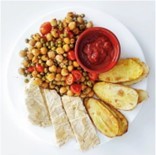
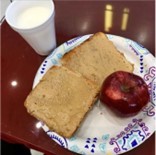
Figure 1 (L3, p.8) & 2 (L4, p.16). Examples for the main picture category Food/Drinks
The second category is humans (22.8%). Most photos in this category contain a single person (98.3%) smiling and representing positive emotions. Sometimes other emotions, such as sadness or emptiness, are represented, or the individual is presenting their current body condition (see Fig. 3 - 5). The photos mainly contain selfies and sometimes comparison pictures, in the form of collages, representing different stages of the creators EDR process (see Fig. 4). Occasional Pro-ED content could also be identified in this category, mainly containing thin bodies without heads (see Fig. 5).
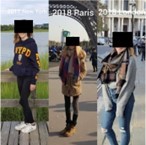


Figure 3 (L2, p.12), 4 (L2, p.4) & 5 (L4, p.19). Examples for the second picture category Humans
The third category, text, mainly includes quotes or poems that contain affirmations and poetry about growth, hope and similar topics or thoughts and tips about EDR (see Fig. 6 - 8). Similar to the second category, in this category as well, occasionally Pro-ED content was identified (see Fig. 8). The smallest picture category Other includes diverse content including photography of landscapes or places, fitness trackers, and animals.
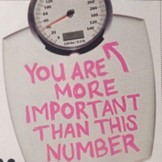
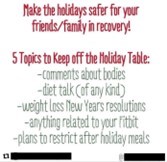
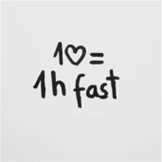
Figure 6 (L3, p.29), 7 (L2, p.14) & 8 (L3, p.23). Examples for the main picture category Text
Caption Analysis
Regarding the captions, the content and the form of expression were examined, leading to four categories: diary, personal thoughts and opinions about different topics, quotes, EDR-related advice, and contacts (see Table 2).
| Main category | Percentage (n=1840) |
Subcategories | Percentage |
|---|---|---|---|
| Diary | 76.38% | Eating diary | 52.63% |
| EDR diary | 17.78% | ||
| Personal thoughts about ED(R) | 11.34% | ||
| Throwbacks to earlier stages of ED(R) | 8.25% | ||
| Thoughts and opinions about different topics (not ED(R)) | 15.15% | ||
| Quotes | 4.53% | ||
| EDR-related advice | 3.94% | ||
Table 2. Results of the content analysis of n=1849 EDR captions
Within the captions, sensitive and personal information was shared in the form of diaries (76.38%). Those diaries were identified as eating diaries, which document every meal for the day, reflect personal thoughts about meals, and contain recipes (62.63%) or diaries with personal stories and their behaviour during everyday life in EDR (17.78%). Two other caption types in this category contain personal thoughts about EDs and EDR in general (11.34%) or throwbacks about earlier stages of their personal life regarding their EDs (8.25%). The open style, in which personal, sensitive information is discussed was evident, as a caption snippet of an inpatient (someone who gets their ED treatment in hospital or in an eating disorder inpatient facility) demonstrates:
‘Evening everyone 💕 today’s been a stressful one that’s for sure. The fullness I feel is crazyyyy and to sit with it takes SO much willpower and SO much strength, I actually cannot believe I’ve made it another day with no behaviours and a full meal plan 😍 my stomach is pretty bloated but that’s expected now, but seeing that twists my brain into thinking my whole body has expanded! So much body checking 😩 but fuck them thoughts off […].’ (L2, p.4)
Likewise, noticeable is the significant role of mutual support and positivity, visible in caption endings as: ‘I hope everyone’s feeling good and doing ok 💕’ (L4, p. 12); ‘Stay strong guys. It's worth it.’ (L3, p. 33). Using those supporting words or questions and greetings (e.g. ‘⭐What foods make you guys feel good?!✨’ (L2, p. 42); ‘Morning my loves.’ (L2, p.8)), interactions with followers were recognized independently from comments.
Diary posts constitute the majority of caption content; the other three categories presented in Table 2 cover thoughts and opinions about topics other than EDR, which can be but are not always related to EDR (e.g., sports, injuries, and mental health). The last two categories include contact addresses to coaches and ED centres, repeating the quotes already shown in pictures or advice on overcoming EDs.
The results from the tables and the comparison of similar pictures of each category and associated captions resulted in the identification of four main post types, explained in the following sections: the EDR diary, the proof of eating, the personal experience/transformation, and affirmations. All four post types contain specific characteristics, and inside information, representing the common ground of the EDR community on Instagram. Further, reflections on information sharing were visible in some posts, explained in the last subsection.
The EDR diary
The EDR diary (n=20%) is represented by pictures of food and/or drinks and sometimes also contains a picture (for example, a selfie) of the sharing person.
| Picture | Caption text |
|---|---|
 |
Evening all. Wow today has been a whirlwind. Despite the grin on my face today has been one of the worst days in recovery. TW!!!!! To the point I vomited on myself in the corridor as there was no sick bowls of toilets to do it in and all I think in that moment is I have to get this food out of me and go into such a state of anxiety, such an awful feeling and horrendous illness. It leaves you feeling traumatised, dehumanised and embarrassed. Also feeling awful for the staff who tried to restrain me and the patients who heard my distress. I truly hate the person this illness makes me. Some days it‘s just impossible to shut myself off from what my ED is telling me to do. I know yesterday I was preaching positivity, but I‘m always about being honest. There will be SO many bad days, but also I have to have hope that some day soon the bad days will be outnumbered b the good. A nurse that has been working here with eating disorder patients for 10+ years said she has yet to witness what she witnessed tonight and she was so kind and supportive in that moment and after. She now sees how consuming my ED is.. This is a pretty raw post and it‘s also embarrassing to tell the world, but this is the reality of an eating disorder. FAR from glamorous & consistently screaming in your head until you do things you never thought you would do. I had a memory test done today and I didn‘t do too badly but my memory isn‘t the greatest at the moment. Hopefully with adequate nutrition it will improve. One of my favorite staff members is leaving at the end of December but I like to be organised 🤣 I got all the girls on the wand to go sign it, she loved it 💖 I have weigh day tomorrow and I‘m pretty anxious about it, but I‘m going to get an early night as I am so so drained.. The night nurse came on and said "you look awful" so ya girl needs her beauty sleep 😴 I have to acknowledge my positive steps too.. As each sleep forward is progress. I kept down my mullerrice, curly wurly, toast, soy milk and half a supplement 👏🏻 find a little good in each day. Goodnight for now 💕✨ Love, Amy - #recovery #eatingdisorderrecovery #edrecovery #bulimia #mentalhealth #anorexia |
Table 3 (L1, p.124). Example for the post type The EDR diary
The captions contain diary entries with inside information about EDR experiences or personal life stories and thoughts while being in EDR. Most post-captions start with a personal welcoming to the EDR community or an introduction of the creator, such as: ‘Hello dear ones, that was our meal today.’ (L1, p. 83), ‘Hello, I’m so sorry I haven’t posted in a while.’ (L1, p. 99), ‘Evening everyone! today’s been a stressful one that’s for sure.’ (L2, p. 4) or ‘THANK YOU to our amazing community’ (L1, p. 133). In most cases, a specific reference to the picture follows as a description. Sometimes, the captions contain the letters ‘TW’ for trigger warning, referring to detailed explanations or potentially triggering pictures of eating disordered bodies. Afterwards, a personal report or story on upcoming plans and the day's or week's ups and downs follow. At the end of the entries, further interactions with the community are apparent. Regardless of the content type and whether the entry contains positive or negative thought processes, encouragement and support are conveyed: ‘Please reach out if you have any questions or need any support. Have a great day kids!’ (L3, p. 99), ‘Keep fighting and learn to love your self and the world you live in.’ (L3, p. 97), or ‘sending strength everyone’s way for Thanksgiving. Recovery is a precious thing.’ (L4, p. 12). Finally, in most posts, a goodbye is written. Table 3 represents an example post from this category.
The proof of eating
The data shows that a big part (n=63%) of the EDR community is proving to oneself and others that they try to recover, by sharing pictures of their daily meals, combined with a report of what was eaten at this moment or during the day: ‘I'm so so so sorry for not posting all day today! I promise you that I did eat though!’ (L2, p. 104). Posts that belong to this category are exclusively represented by pictures of food and/or drinks, and the captions in most posts related to the picture contain reports and thoughts on meals. The daily or regular sharing of this content seems to prove that the sharing person’s eating behaviour matches the recovery-oriented identity instead of, for example, stopping or bingeing food again. In some posts, captions are further enriched with recipes. In contrast to the EDR diary, a greeting or farewell is not necessarily present. Likewise, the end only partially includes encouraging and motivating words. Table 4 is one example of a post in this category.
| Picture | Caption text |
|---|---|
 |
#lunch was potatoes with curry sauce, veggies and an egg. For dessert an alpro blueberry yogurt 🌱❤️ This was incredibly hard as I had it so late and I still have to have an afternoonsnack oh well - - #anorexia #bulimia #depression #anorexiarecovery #edrecovery #eatittobeatit #strongnotskinny #fuckanorexia #fuckcalories |
Table 4 (L2, p.70). Example for the post type The proof of eating
The personal transformation
The post type personal transformation (n=8%) includes pictures of the creator at different times during their EDR process. The direct comparison of the pictures portrays the transformation of the body, and sometimes, the pictures are contextualized with dates. The caption of posts of this category is structured similarly to captions of EDR diaries, without greetings at the beginning, but sometimes an introduction. In contrast to the post type of the EDR diary, inside information in the captions of this category represent the personal transformation of the creators and the transformation of their bodies. In such posts individuals reflect on their EDR process over time or on the day of the post. Thereby, reference to the picture(s) is present. Like the previous categories, encouragement and support are integrated into the posts' end. The captions vary between lengthy statements and short sentences, which distinguishes this category from the post type EDR diary. Tables 5 and 6 show two examples of this category.
| Picture | Caption text |
|---|---|
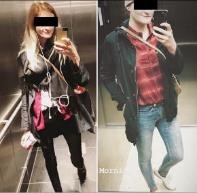 |
Me this year, finally happy and healthy again! 28kg between these pictures! (I am 1,72m) #me #anorexia #magersucht #anorexiarecovery #recovery #fromskinnytostrong #healthy #happy #recoveryispossible #recoveryisworthit |
Table 5 (L1, p.19). Example 2 for the post type The personal transformation
| Picture | Caption text |
|---|---|
 |
This wasn’t an easy journey, nor was it a quick one but I worked
tirelessly over the years to get to this point in my life. There is a life beyond the sadness and the overwhelming urge to not carry on. Sending strength to every single person who is struggling right now, I know you can make it through. Sending love to our lost friends and family who could no longer go on but did not leave us in vain. You can do this. #anorexia #anorexiarecovery #edrecovery #bulimia #bulimiarecovery #miarecovery #edsoldier #mentalhealth #mentalhealthawareness #recovery #weightgain #transformation #beforeandafter #addictionrecovery #selflove #eatingdisorder #motivation #happiness #mentalillness #mentalhealthmatters #love #suicideprevention |
Table 6 (L4, p.18). Example for the post type The personal transformation
Affirmations
If captions were not written in the form of a diary, personal thoughts and opinions on different topics, quotes and poems, or advice and contacts were shared. Quotes and poems are characteristic of the fourth identified post type: affirmations (n=9%). In this category, the pictures mainly consist of text. Quotes and poems, advice and contacts or memes and tweets were identified. Supporting and motivating quotes and phrases from the pictures are enriched with further support in the text. Sometimes, posts in this category also include affirming and encouraging words for the community. Therefore, the naming of this category is found both within the analysis of pictures and captions. One example of this category is given in Table 7.
| Picture | Caption text |
|---|---|
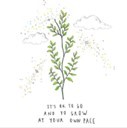 |
Hi friends 👋🏻 just a gentle reminder ✨ it‘s okay to go at your own pace ❤️ healing takes time #gentlereminders #mentalhealth #mentalhealthsupport #mentalhealthmatters #mentalawareness #mentalhealthwarrior #recovery #recoveryisworthit #recoveryispossible #recoverywarrior #prorecovery #edrecovery #edcommunity #eatingdisorderawareness #eatingdisorderrecovery #anorexiarecovery #bulimiarecovery #selfharmrecovery #bodypositive #youarenotalone #youareworthy |
Table 7 (L2, p.19). Example for the post type Affirmations
Reflections from the EDR community on sharing EDR content
While the shared pictures contain mainly smiling faces, colourful food plates, and calming quotes with added paintings, captions share insights into deep emotional, mental, and physical struggles, intimate health experiences and food-related information (e.g. recipes). Further, the analysis indicates that supporting each other and sharing one’s progress are the main components of the EDR community. Besides the majority’s shared gratitude for the community, for example visible in post endings as: ‘thank you so much for all your messages, your kindness has really helped me this morning 💓 💓 💓 xx’ (L3, p. 24); ‘IT DOES GET BETTER. Eat and repeat and you’ll get there xx keep peddling lovelies 🙂’ (L2, p. 141) some EDR-members shared more critical thoughts on the effects of the community:
‘[…] this community can be great and helpful if you navigate it that way or it can be extremely toxic, but either way it is no replacement for professional help. and i’m not sure how conducive to recovery it is to follow people who are also struggling. not to say this community doesn’t have value, because it DEFINITELY does, but this or even professional help won’t help if you don’t let it. and you deserve recovery. [...] there is a life outside your eating disorder and a life outside this community. i love you all and this community definitely provided support for me when i needed it and i met some incredible people on here, but it’s time for me to move on. [...]’ (L2, p. 102)
In their view, being part of the EDR community seems both helpful and dangerous because many other users could potentially influence the recovery process. Eating disorders are linked to profound psychological and emotional problems, because of which the permanent unmoderated interaction with other potentially struggling individuals of the EDR community and the comparison to their stories can affect the recovery process. Further, the high quantity of shared pictures containing food in the EDR community was reflected critically:
‘Feels a bit scary to be back on here because the last time I posted I was in one of the worst places mentally. But I haven’t posted on here for 5 months for good reason – I found documenting everything I was eating to be detrimental to recovery for me, I was just as obsessive and focused and posting my food almost every day just facilitated those habits, it didn’t help my anorexic thought process to subside, so I left it for a bit’ (L4, p.43)
Individuals with eating disorders use food and eating as an expression of their psychological and emotional problems, which leads to the impression of food being the main issue instead of ‘fundamental unhappiness which may originate from a number of different sources’ (Eating Disorder Association, 1990). As seen in most posts containing food-related content, affected individuals on Instagram constantly interact with this topic during their EDR.
Discussion
The EDR community in Instagram contains a visually appealing representation of the most life-threatening psychophysiological disease and the complex process of overcoming it. The exploration of shared content in the EDR community revealed a representation of EDR in four types of posts: the EDR diary, the proof of eating, the personal transformation, and affirmations. Those four categories represent the common ground of similar experiences, beliefs, and knowledge (Clarke, 1996; Pilerot, 2012) that individuals of the EDR community share inside information about. The common ground of the community results from similar experiences and mutual understanding of life marked by eating disorders, leading to the socially influenced sharing of the EDR process in four typical post types, underlining the collective understanding of the community (Harlan, 2012).
In Pro-ED communities, food and eating are symbols of self-imposed restriction and illness progress (Tan et al., 2016; Sowles et al., 2018). On the contrary, in EDR communities on Instagram, pictures of food and related topics in the caption (e.g. eating) symbolise progress in recovery. EDR community members document eating activities, and similar to Herrick et al.’s (2021) findings, share content including personal food victories (e.g. compiled meal plans) and stories about improved relationships with food. Even stories about relapses and difficulties underline the representation of progress in EDR because for sharing those stories, a reflection and contextualisation of what has happened is necessary beforehand and proves the existence of a recovery-oriented identity (McNamara & Parsons, 2016). Nevertheless, the presence of food pictures and the pressure to participate in information sharing activities relating to food can affect the (digital) wellbeing of the community. Earlier psychological research on Instagram and its effect on its users has identified the presentation of perfect bodies and beautiful faces as hurtful (Kamel et al., 2016; Cramer & Inkster, 2017; Raggatt et al., 2018; Wong et al., 2019). For specific health communities, as shown regarding the EDR community, the potential pressure to participate (e.g. sharing and seeking food-related information) is an additional potentially hurtful aspect. The extent to which peer pressure exists in the EDR community should be explored in interview studies, as initial indications are available within the post type the proof of eating.
Most posts can be understood as EDR diaries, in which inside information is verbalized in form of personal experiences, thoughts, and throwbacks to ED stages. The categories EDR diary and proof of eating seem to work as proof that something has been eaten and that an EDR-oriented behaviour is still ongoing. While the idea of motivating (and controlling) each other offers a way to encourage eating, it is essential to remember that eating disorders are serious illnesses that involve more factors than eating and food (restrictions) displayed on social media. Based on the findings, documenting day-by-day what was eaten by sharing food content and simultaneously thinking about food was identified as scary for some creators. However, since users were not spoken to, the intention and impact of the eating posts can only be surmised. Based on the findings, it is clear, that despite the high volume of food posts, insecurity and negative feelings are linked to the permanent interaction with food for at least some users.
Further, seeing others' posts could potentially lead to comparison with others, the amount of food they ate that day, or the manipulation of one’s own posts. The extensive engagement with food on Instagram does not seem to be helpful for all users, even if they participate in it themselves, as indicated by Nikolova and LaMarre (2023). They concluded that engaging with personal recovery accounts leads to a hindrance of the EDR process and that accounts promoting EDR in the form of food and body freedom are only engaging in ‘pseudo recovery’. However, with 41% of posts comprising food, as was visible in the data, this form of posts seems to be an established component within the community. Similar results were reported by Herrick et al. (2020). A resulting question is whether the first indicators are recognisable within publicly shared posts in the EDR community that, based on food posts, point to an impairment of the recovery progress, and thus represent a potentially helpful component in future therapy approaches.
EDR as shared identity
In the EDR community, individuals share content which reveals thoughts and emotions towards EDR, reflections on their behaviour, or explanations about their days throughout the EDR process in diary-like captions and personal narratives. The sharing of this intimate inside information creates one form of common ground with other community members, because they are able to understand and empathize with the sharing individuals. Potentially this results in the forming of a common shared identity, which, in earlier work, was referred to as recovery identity (McNamara & Parsons, 2016; Sowles, 2018). The mutual sharing of personal information, as well as the mutual support from and with understanding others, lead to the assumption of trust (Wilson, 2010; Deng et al., 2017), empathy and community interest influencing the information sharing behaviour in the EDR community.
Many posts resembled a diary, in which everyday life structures, thoughts and feelings were verbalised. Like private diaries, those publicly shared posts seem to help individuals in recovery document their journey. Further, comparable to the study by Dahlborg Lyckhage et al. (2015), who identified writing about a disease as recovery motivation, similar effects in terms of continuing recovery, despite potential relapses are suspected through sharing those diary entries publicly in an understanding community during the EDR process. The detailed documentation of personal thoughts on social media further leads to the assumption that the writing and sharing process is some kind of self-care activity, comparable to reflecting in personal diaries but in the context of an understanding community (Salzmann-Erikson & Hiçdurmaz, 2016). The decisive difference is how public the social media communities are. Content is not only shared with individuals in similar circumstances because of their personal disease journey but with everyone, resulting in individuals not being part of the community and therefore not sensible for EDR-specific content and topics that could comment and influence the social dynamic reacting to the posts. Social dynamics such as negative feedback, bullying, and comparable dynamics could lead to insecurities for the sharing individuals and seriously impact digital wellbeing.
Further, people from the personal and professional context of the sharing individuals can access the information, which may not be desired. Because of the number of young users (Wong et al., 2019), those dynamics can be unclear for the creators while and before sharing those posts. Sharing personal experiences increases the acquisition of an EDR identity and the feeling of belonging, even if the process of recovering is still ongoing (Dahlborg Lyckhage et al., 2015). Similar effects are suspected during the EDR process regarding continuing recovery, even though there might be relapses, also identified by Eikey & Booth (2017). Contrary to Pro-ED sites and communities, which are often blocked or deleted from social media and social networking sites (Chancellor et al., 2016), EDR-content should remain on those sites, despite the potentially triggering content (e.g. pictures in personal transformation posts) (Sowles et al., 2018). Moreover, users are now warned about potentially triggering content on Instagram by having to confirm the warning before viewing. To what extent this is helping users, and the warning is taken seriously, needs to be examined more in future research.
Mutual support and positivity in the EDR community
The findings highlight the amount of verbalised support and sympathy with other community members. Even without focusing on comments and reactions to shared posts, the analysed posts of the EDR community represent similar results to Salzmann-Erikson and Hiçdurmaz (2016). They concluded in their research about the social media use of individuals suffering from Post-Traumatic Stress Disorder that information sharing about personal disease experiences is often intertwined with the intention to help and support peers and to create awareness so that others do not feel alone in their situation. Regarding EDR, individuals express positive and negative emotions, concluding with inspiring words and supporting phrases at the end of their posts. By this, it seems that they are trying to encourage community members in their process and simultaneously drawing attention to the ups and downs of recovery. The knowledge about this nonlinear journey seems to be common ground for the community, and addressing those emotions potentially increases the feeling of belonging for both the creator and the receiver.
Further, posts from the fourth identified post category, affirmations, represent additional support by containing motivating quotes and pictures. Mutual support, therefore, seems to be very strong in the community, as support and motivation among each other provide strength that can protect against relapse. Looking at the successes of others can create new motivation for one's own recovery (Herrick et al., 2021). Thus, a large and essential part of the recovery community is the support and sharing of experiences with each other. Equally, however, there can be comparisons with the experiences and state of others, which in turn can trigger and negatively impact one's own process. Depending on the stage of EDR, affected individuals may be unstable and influenced by others affected, as seen in the findings (Nikolova & LaMarre, 2023). However, the observed mutual support and the contact with other affected persons, who are perceived as sympathetic others because of comparable circumstances and disease histories (Sowles et al., 2018), cannot be denied. Participating in the EDR community, therefore, seems to positively influence the process of affected users, which was already identified by Saffran et al. (2016) regarding the participation in EDR-talk on Facebook.
Moreover, not only do the community members benefit from the community, but helpful effects are also suspected of the individuals sharing the content. The feeling of a shared recovery-oriented identity within the community supports the promotion and management of EDR (McNamara & Parsons, 2016). The support offered in this community should be further explored in future research because it could provide valuable knowledge about how to support individuals during their EDR, not only limited to social media, and to understand its possible influence on community members in different stages of recovery, for example in terms of community dependency and hyper-connectivity (Martínez-Cardama & Gómez-Lópes, 2023).
Conclusion
This study explored the EDR community on Instagram based on the shared content to better understand how members of this community create common ground through visual and textual information. Existing studies on EDR and Instagram have focused on the information use of information shared in such communities while going through EDR (Eikey & Booth, 2017; Nikolova & LaMarre, 2023). This study extends those results by exploring the content shared by individuals going through EDR. The aim of this study was to better understand the perspective of affected individuals in the social setting of a health community, by focusing on the common ground created through information shared.
The common ground of information shared comprises information on the current state of health during EDR, comparisons with former states of illness, problems and moments of happiness, food-related content, and the process of EDR itself. Intimate insights into the everyday lives of those affected are revealed, representing the inside information of community members.
Using a mixed-method analysis, four post types, which represent the common ground of EDR represented on Instagram, were identified. Particularly evident are the visual representations of food and the tremendous support in the captions. While pictures mainly represent food and sometimes the creator itself, captions offer a variety of information. They include personal and sensitive stories about experiences, thoughts, and the process of EDR, often enriched with words of affirmation and support for the community. Sometimes, recipes and descriptions of meals are apparent.
Further, reflections on the influence of specific aspects from the EDR community (e.g. sharing food content, great mutual empathy, and support) on EDR and the healing journey were perceived inside some captions. These deserve to be explored further in the future. Those reflections, as well as visible interactions with the community (including the great support offered in the captions), require further analysis, to better understand how health communities’ function for their community members.
In summary, this study identified the common ground of the EDR on Instagram by focusing only on inside information, shared as content by creators of the EDR community. Based on the findings, health communities, such as the EDR community, are essential for their affected individuals because they can express themselves in an understanding environment. Likewise, creators support other community members by adding positivity and motivating phrases in their posts, which they support through supporting words. Further research is needed to validate the EDR community's importance for its members' EDR process based on mutual support.
Acknowledgements
The author would like to thank Noora Hirvonen, PhD for all support, discussions and proofreading the paper. The author is also grateful to Prof. Dr. Elke Greifeneder, the anonymous reviewers and the editors for their help and feedback.
About the author
Paulina Bressel is a doctoral student at the Berlin School of Library and Information Science, Humboldt-Universität zu Berlin, Unter den Linden 6, 10099 Berlin, Germany. She works as research employee for the German Cancer Society e.V., Kuno-Fischer-Str. 8, 14057 Berlin, Germany. She can be contacted at: bressel@krebsgesellschaft.de
References
Arçelus, J., Mitchell, A.J., Wales, J., & Nielsen, S. (2011). Mortality rates in patients with anorexia nervosa and other eating disorders. A meta-analysis of 36 studies. Archives of General Psychiatry, 68(7), 724-731 https://10.1001/archgenpsychiatry.2011.74
Arseniev-Koehler, A., Lee, H., McCormick, T., & Moreno, M. A. (2016). #Proana: Pro-Eating Disorder Socialization on Twitter. Journal of Adolescent Health, 58(6), 659–664. https://doi.org/10.1016/j.jadohealth.2016.02.012
Bardone-Cone, A. M., Harney, M. B., Maldonando, C. R., Lawson, M. A., Robinson, D. P., Smith, R. & Tosh, A. (2010). Defining recovery from an eating disorder: Conceptualization, validation, and examination of psychosocial functioning and psychiatric comorbidity. Behaviour Research and Therapy, 48, 194–202. https://doi.org/10.1016/j.brat.2009.11.001
Bardone-Cone, A. M., Hunt, R. A. & Watson, H. J. (2018). An Overview of Conceptualizations of Eating Disorder Recovery, Recent Findings, and Future Directions. Current Psychiatry Reports, 20(79), 1 –18. https://doi.org/10.1007/s11920-018-0932-9
Barron, A. M., Krumrei-Mancuso, E. J., & Harriger, J. A. (2021). The effects of fitspiration and self-compassion Instagram posts on body image and self-compassion in men and women. Body image, 37, 14–27. https://doi.org/10.1016/j.bodyim.2021.01.003
Bohrer, B. K., Foye, U., & Jewell, T. (2020). Recovery as a process: Exploring definitions of recovery in the context of eating‐disorder‐related social media forums. International Journal of Eating Disorders, 53(8), 1219–1223. https://doi.org/10.1002/eat.23218
Borzekowski, D. L. G., Schenk, S., Wilson, J. L. & Peebles, R. (2010). E-Ana and E-Mia: A Content Analysis of Pro-Eating Disorder Web Sites. American Journal of Public Health, 100(8), 1526–1534. https://doi.org/10.2105/AJPH.2009.172700
Branley, D.B. & Covey, J. (2017). Is exposure to online content depicting risky behavior related to viewers’ own risky behavior offline? Computers in Human Behavior, 75, 283–287. https://doi.org/10.1016/j.chb.2017.05.023
Braunberger, T., Mounessa, J., Rudningen, K., Dunnick, C.A., Dellavalle, R.P. (2017). Global skin diseases on Instagram hashtags. Dermatol Online Journal, 23(5). https://doi.org/10.5070/D3235034925
Chancellor, S. Lin, Z. J. & De Choudhurry, M. (2016). “This Post Will Just Get Taken Down”: Characterizing Removed Pro-Eating Disorder Social Media Content. Designing Quality in Social Media, CHI’16, 1157–1162. http://dx.doi.org/10.1145/2858036.2858248
Chancellor, S., Mitra, T. & De Coudhury, M. (2016). Recovery Amid Pro-Anorexia: Analysis of Recovery in Social Media. Mental Health in Technology Design and Social Media, CHI’16, 2111–2123. https://doi.org/10.1145/2858036.2858246
Clarke, H.H. (1996). Using Language. In: Cambridge University Press. Cambridge.
Cramer, S. & Inkster, B. (2017). #StatusofMind Social media and young people’s mental health and wellbeing. In: RSPH Royal Society for Public Health Report. https://www.rsph.org.uk/our-work/campaigns/status-of-mind.html. Accessed 20 September 2024.
Dahlborg Lyckhage, E., Gardvik, A., Karlsson, H., Törner Mulari, J., & Berndtsson, I. (2015). Young Women With Anorexia Nervosa: Writing Oneself Back Into Life. SAGE Open, 5(1). https://doi.org/10.1177/2158244015576549
Deng, S., Lin, Y., Liu, Y., Chen, X., & Li, H. (2017). How do personality traits shape information-sharing behaviour in social media? Exploring the mediating effect of generalized trust. Information Research, 22(3). http://InformationR.net/ir/21-1/paper763.html
Dewitz, L.. Bressel, P. & Greifeneder, E. (2023). Unveiling the Sources of False Health Information: Where do people get false health information from? In Proceedings of the 17th International Symposium of Information Science (ISI 2023), Chur, Swiss Confederation, 7th—9th November 2023. https://doi.org/10.5281/zenode.10009338
Dixon, S. (2023). Instagram - Statistics & Facts. https://www.statista.com/topics/1882/instagram/#topicOverview
Dorfman R. G., Vaca, E. E., Mahmood, E., Fine, N. A., Schierle, C. F. (2017). Plastic surgery-related hashtag utilization on Instagram: implications for education and marketing. Aesthetic Surgery Journal 38(3), 332–338. https://doi.org/10.1093/asj/sjx120
Eating disorder Association (1990). EATING DISORDERS. Employee Counselling Today, 2(2), 16–23. https://doi.org/10.1108/eb006080
Eikey, E. V., & Booth, K. M. (2017). Recovery and Maintenance: How Women with Eating Disorders Use Instagram. In iConference 2017 Proceedings (227–240). https://doi.org/10.9776/17024
Fardouly, J., Willburger, B. K., & Vartanian, L. R. (2018). Instagram use and young women’s body image concerns and self-objectification: Testing mediational pathways. New Media & Society, 20(4), 1380–1395. https://doi.org/10.1177/1461444817694499
Fitzsimmons, E. E., Bardone-Cone, A. M. (2010). Differences in Coping Across Stages of Recovery from Eating Disorder. International Journal of Eating Disorders, 43(8) (2010), 689–693. https://doi.org/10.1002/eat.20781
Gerrard, Y. (2018). Beyond the hashtag: Circumventing content moderation on social media. New media & society, 00(0), 1–20. https://doi.org/10.1177/1461444818776611
Given, L. M., Case, D. O., & Willson, R. (2023). Looking for information: Examining research on how people engage with information. Emerald Publishing Limited.
Goffmann, E. (1959). The presentation of self in everyday life. Garden City, New York: Double-day Anchor Books.
Greifeneder, E., & Schlebbe, K. (2022). How things fit together: a general model of the information behaviour field. In Proceedings of ISIC: the information behaviour conference, Berlin, Germany, 26-29 September, 2022. Information Research, 27 (Special issue), isic2228. https://doi.org/10.47989/irisic2228
Hand, M. (2016). Visuality in social media: researching images, circulations and practices. In The SAGE Handbook of Social Media Research Methods (215–231). SAGE Publications Ltd, https://doi.org/10.4135/9781473983847
Hambleton, A., Pepin, G., Le, A., Maloney, D., National Eating Disorder Research Consortium, Touyz, S. & Maguire, S. (2022). Psychiatric and medical comorbidities of eating disorders: findings from a rapid review of the literature. Journal of Eating Disorders 10, 132. https://doi.org/10.1186/s40337-022-00654-2
Harlan, M.A. (2012). Information practices of teen content creators. [Doctoral dissertation, Queensland University of Technology]. QUT ePrints. https://eprints.qut.edu.au/57125/
Herrick, S. S. C., Hallward, L., & Duncan, L. R. (2021). “This is just how I cope”: An inductive thematic analysis of eating disorder recovery content created and shared on TikTok using # EDrecovery. International Journal of Eating Disorders, 54(4), 516–526. https://doi.org/10.1002/eat.23463
Hu, Y., Manikonda, L., & Kambhampati, S. (2014). What We Instagram: A First Analysis of Instagram Photo Content and User Types. Proceedings of the International AAAI Conference on Web and Social Media, 8(1), 595–598. https://doi.org/10.1609/icwsm.v8i1.14578
Jin, Y., Han, K., Shih, P. and Lee, D. (2015). Generation like: Comparative characteristics in Instagram. In Proceedings of the ACM Conference on Human Factors in Computing Systems, 4039–4042. https://doi.org/10.1145/2702123.2702555
Johnson, D. J., Case, D. O. (2012). Health Information Seeking. Health Communication, Band 4. New York u.a. [Peter Lang]
Kamel Boulos M, Giustini D, Wheeler S. (2016). Instagram and WhatsApp in health and healthcare: an overview. Future Internet, 8(37). https://doi.org/10.3390/fi8030037
Karimkhani, C., Connett, J., Boyers, L., Quest, T., & Dellavalle, R. P. (2014). Dermatology on instagram. Dermatology online journal, 20(7), 13030/qt71g178w9.
Keski-Rahkonen, A., & Tozzi, F. (2005). The process of recovery in eating disorder sufferers’ own words: An Internet-based study. International Journal of Eating Disorders, 37(S1), S80–S86. https://doi.org/10.1002/eat.20123
Lambert, S. D., & Loiselle, C. G. (2007). Health Information—Seeking Behavior. Qualitative Health Research, 17(8), 1006–1019. https://doi.org/10.1177/1049732307305199
Lu, Y., Pan, T., & Deng, S. (2019). What Drives Patients Affected by Depression to Share in Online Depression Communities? A Social Capital Perspective. Healthcare, 7(4), 133. https://doi.org/10.3390/healthcare7040133
Martínez-Cardama, S., Gómez-López, E. (2023). Impact of Social Media on Self-esteem and Emotions: An Instagram-Based Case Study. In: Sserwanga, I., et al. Information for a Better World: Normality, Virtuality, Physicality, Inclusivity. iConference 2023. Lecture Notes in Computer Science, vol. 13972. Springer, Cham. https://doi.org/10.1007/978-3-031-28032-0_9
McNamara, N., & Parsons, H. (2016). 'Everyone here wants everyone else to get better': The role of social identity in eating disorder recovery. The British journal of social psychology, 55(4), 662–680. https://doi.org/10.1111/bjso.12161
Nikolova, I., & LaMarre, A. (2023). “If I unfollow them, it’s not a dig at them”: A narrative analysis of Instagram use in Eating Disorder Recovery. Psychology of Women Quarterly, 47(3), 387–401. https://doi.org/10.1177/03616843231166378
Oh, S., & Syn, S. Y. (2015). Motivations for sharing information and social support in social media: A comparative analysis of Facebook, Twitter, Delicious, YouTube, and Flickr: Motivations for Sharing Information and Social Support in Social Media: A Comparative Analysis of Facebook, Twitter, Delicious, YouTube, and Flickr. Journal of the Association for Information Science and Technology, 66(10), 2045–2060. https://doi.org/10.1002/asi.23320
Pilerot, O. and Limberg, L. (2011). Information sharing as a means to reach collective understanding: A study of design scholars' information practices, Journal of Documentation, 67 (2), 312–333. https://doi.org/10.1108/00220411111109494
Pilerot, O. (2012). LIS research on information sharing activities – people, places, or information. Journal of Documentation, 68(4), 559–581. https://doi.org/10.1108/00220411211239110
Polivy, J., & Herman, C. P. (2002). Causes of eating disorders. Annual review of psychology, 53, 187–213. https://doi.org/10.1146/annurev.psych.53.100901.135103
Raggatt, M., Wright, C. J. C., Carrotte, E., Jenkinson, R., Mulgrew, K., Prichard, I., & Lim, M. S. C. (2018). “I aspire to look and feel healthy like the posts convey”: Engagement with fitness inspiration on social media and perceptions of its influence on health and wellbeing. BMC Public Health, 18(1), 1002. https://doi.org/10.1186/s12889-018-5930-7
Rejeb, A., Rejeb, K., Abdollahi, A., & Treiblmaier, H. (2022). The big picture on Instagram research: Insights from a bibliometric analysis. Telematics and Informatics, 73, 101876. https://doi.org/10.1016/j.tele.2022.101876
Riaz, M., Wang, X., , S. and Guo, Y. (2021), "An empirical investigation of precursors influencing social media health information behaviors and personal healthcare habits during coronavirus (COVID-19) pandemic", Information Discovery and Delivery, 49(3), 225–239. https://doi.org/10.1108/IDD-06-2020-0070
Rothschild, N. and Aharony, N. (2016). Empathetic communication among discourse participants in virtual communities of people who suffer from mental illnesses. Information Research, 21(1), paper 701. http://InformationR.net/ir/21-1/paper701.html
Rubenstein, E. (2014). “They are always there for me“: The convergence of social support and information in an online breast cancer community. Journal of the Association for Information Science and Technology, 66(7), 1418–1430. https://doi.org/10.1002/asi.23263
Santarossa, S., Lacasse, J., Larocque, J., & Woodruff, S. J. (2019). #Orthorexia on Instagram: A descriptive study exploring the online conversation and community using the Netlytic software. Eating and Weight Disorders - Studies on Anorexia, Bulimia and Obesity, 24(2), 283–290. https://doi.org/10.1007/s40519-018-0594-y
Savolainen, R. (2007). Information Behavior and Information Practice: Reviewing the “Umbrella Concepts” of Information-Seeking Studies. The Library Quarterly: Information, Community, Policy, 77(2), 109–132. https://doi.org/10.1086/517840
Saffran, K., Fitzsimmons-Craft, E. E., Kass, A. E., Wilfley, D. E., Taylor, C. B., & Trockel, M. (2016). Facebook usage among those who have received treatment for an eating disorder in a group setting. The International journal of eating disorders, 49(8), 764–777. https://doi.org/10.1002/eat.22567
Salzmann-Erikson M, Hiçdurmaz D. (2017). Use of social media among individuals who suffer from post-traumatic stress: A qualitative analysis of narratives. Qualitative Health Research 27(2), 285–294. https://doi.org/10.1177/1049732315627364
Sowles, S. J., McLeary, M., Optican, A., Cahn, E., Krauss, M. J., Fitzsimmons-Craft, E. E., Wilfey, D. E. & Cavazos-Rehg, P. A. (2018). A content analysis of an online pro-eating disorder community on Reddit. Body Image (24), 137–144. https://doi.org/10.1016/j.bodyim.2018.01.001
Tan, T., Kuek, A., Goh, S. E., Lee, E. L., Kwok, V. (2016). Internet and smartphone application usage in eating disorders: A descriptive study in Singapore. Asian Journal of Psychiatry, (19), 2016, 50–55. https://doi.org/10.1016/j.ajp.2015.11.007
Tong, S. T.; Heinemann-Lafave, D., Jeon, J., Kolodziej-Smith, R. And Warshay, N. (2013). The use of pro-ana blogs for online social support. Eating Disorders 21, 408–422. https://doi.org/10.1080/10640266.2013.827538
Von Holle, A., Poyastro Pinheiro, A., Thornton, L. M., Klump, K. L., Berrettini, W. H., Brandt, H., Crawford, S., Crow, S., Fichter, M. M., Halmi, K. A., Johnson, C., Kaplan, A. S., Keel, P., LaVia, M., Mitchell, J., Strober, M., Woodside, D. B., Kaye, W. H. & Bulik, C. M. (2008). Temporal patterns of recovery across eating disorder subtypes. Australian and New Zealand Journal of Psychiatry 42, 108–117. https://doi.org/10.1080/00048670903118465
Walker, M., Thornton, L., De Choudhury, M., Teevan, J., Bulik, C. M., Levinson, C. A. & Zerwas, S. (2015). Facebook Use and Disordered Eating in College-Aged Women. Journal of Adolescent Health, 57, 157–163. https://doi.org/10.1016/j.adohealth.2015.04.026
Wilson, T. D. (2010). Information sharing: An exploration of the literature and some propositions. Information Research, 15(4). http://InformationR.net/ir/15-4/paper440.html
Wolf, M., Theis, F., Kordy, H. (2013). Language Use in Eating Disorder Blogs: Psychological Implications of Social Online Activity. Journal of Language and Social Psychology, 32(2), 212–226. https://doi.org/10.1177/0261927X12474278
Wong, X. L., Liu, R. C., & Sebaratnam, D. F. (2019). Evolving role of Instagram in #medicine. Internal medicine journal, 49(10), 1329–1332. https://doi.org/10.1111/imj.14448
Xu, R., & Zhang, Q. (2016). Understanding Online Health Groups for Depression: Social Network and Linguistic Perspectives. Journal of Medical Internet Research, 18(3), e63. https://doi.org/10.2196/jmir.5042
Yang, C. (2021). Research in the Instagram Context: Approaches and Methods. The Journal of Social Sciences Research, 71, 15–21. https://doi.org/10.32861/jssr.71.15.21
Yao, R., & Sheng, D. (2022). The impact of beliefs on health information social sharing for users: The perspectives of social psychology and Information Technology. Frontiers in Psychology, 13.
Copyright
Authors contributing to Information Research agree to publish their articles under a Creative Commons CC BY-NC 4.0 license, which gives third parties the right to copy and redistribute the material in any medium or format. It also gives third parties the right to remix, transform and build upon the material for any purpose, except commercial, on the condition that clear acknowledgment is given to the author(s) of the work, that a link to the license is provided and that it is made clear if changes have been made to the work. This must be done in a reasonable manner, and must not imply that the licensor endorses the use of the work by third parties. The author(s) retain copyright to the work. You can also read more at: https://publicera.kb.se/ir/openaccess