
Information Research
Vol. 30 No. 3 2025
A Comparative Study of Information Needs of Physical and Mental Illness Users in an Online Health Community
DOI: https://doi.org/ 10.47989/ir30354559
Abstract
Introduction. This study aims to reveal the similarities and differences in the information needs of users with physical and mental illnesses in an online health community from cognitive and emotional dimensions.
Method. Based on the CMDD dataset, the study employed the LDA topic model to identify information need topics and the TextBlob method to analyse the emotional tendencies of users when expressing information need topics.
Analysis. This study employs LDA topic modeling, TextBlob for sentiment analysis, and independent sample T-tests as statistical methods to conduct a comprehensive and in-depth analysis of the research question.
Results. The study found that the information need topics of both types of users focused on Medical Procedures, Emotional Support, Social Life, Disease Rehabilitation, Treatment Plans, and Medication Guidance. Over time, the information needs of both types of users regarding Medical Procedures showed similar trends. Additionally, users with mental illnesses exhibited more negative emotional tendencies when expressing each information need topic.
Conclusions. The information needs of users with physical and mental illnesses differ significantly both cognitively and emotionally. It suggests that online health communities should provide customised and personalised information services to users based on their illness characteristics, as well as enhance emotional support for users with mental illnesses in the future.
Introduction
Chronic diseases hold a significant place in China's disease burden. In 2019, they accounted for 88.5% of all deaths and 84.93% of the total disease burden, with prevalence increasing annually (Liu et al., 2023; Yi et al., 2023). Diabetes, coronary heart disease, and psychiatric disorders are among the most common and dangerous, requiring long-term management and complex responses (Khunti et al., 2023; Wang and Nyabuto, 2024). In this context, self-management by patients becomes crucial. It refers to an individual's ability to manage symptoms, treatments, consequences and lifestyle changes of long-term illness (Woodward et al., 2023). Poor self-management can lead to complications and even death. Given the complexity of managing chronic diseases, users need information support to better handle their conditions.
With the rapid development of the Internet, online health communities have become vital platforms for users to express and meet their health information needs, providing services like disease discussions, experience sharing, telemedicine and member activities (Malik et al., 2023). In China, platforms like Good Doctor Online, Chunyu Doctor and Sweet Home serve as key channels for users to search for and share health information, experiences and emotional support (Wang et al., 2024). By analysing the content of users’ communications within online health communities, we can gain insights into their health information needs.
This study defines users' health information needs as the need for information on decision-making related to disease diagnosis, treatment and preventive care to achieve optimal well-being (Miyashita et al., 2015). "Users" refer to lay people in the health field, including both healthy individuals and patients. While many studies have explored health information needs, most focus on disease-specific users (e.g., Ilic et al., 2023; Son et al., 2023), and comparisons between different types of diseases remain insufficient. This limits the ability to provide targeted health information services. Grouping users by physical and mental illnesses offers a broader and more logical approach (Liu et al., 2020). This approach not only covers a wide range of disease users, but also provides insights into the differences between users with physical and mental illnesses by comparing these two groups.
Information needs are closely related to uncertainty (Chowdhury et al., 2011; Savolainen, 2012). Clear and accessible information reduces uncertainty and triggers positive emotions, while vague or hard-to-access information increases uncertainty and negative emotions (Van et al., 2024; Vives et al., 2024). Users' emotional responses when expressing different information needs can vary based on personal and environmental factors (Ruthven, 2019). However, research in the field of health information needs rarely focuses on users' emotional tendencies when expressing information needs. This study aims to address this gap by analysing the cognitive and emotional dimensions of information needs in users with physical and mental illnesses. Representative diseases were selected for this study: diabetes and coronary heart disease for physical diseases, and depression and anxiety for mental diseases. Using the Chinese MedDialog Dataset (CMDD) from Good Doctor Online, we explored information need topics through the Latent Dirichlet Allocation (LDA) topic model and analysed emotional tendencies using TextBlob and independent samples t-tests. The research questions of this study are:
RQ1: What are the information need topics of users with physical and mental illnesses?
RQ2: What changes in information need topics do users with physical and mental illnesses show over time?
RQ3: What emotional tendencies do users with physical and mental illnesses exhibit when expressing each information need topic, respectively?
Literature Review
Information Needs
Information needs are one of the most difficult and controversial topics in information behaviour research (Haasio et al., 2020). Researchers have delved into this complex concept from multiple perspectives, including cognitive and emotional dimensions, and have recognized that information needs change constantly over time (Belkin et al., 1982; Taylor, 1968; Wilson, 1981). In the cognitive dimension, research on information needs has focused on defining and categorising (Pian et al., 2020). Taylor (1968) classified information needs into four levels: the visceral need, the conscious need, the formalised need, and the compromised need. Taylor's research has sparked the interest of many scholars. In response to the visceral need, Belkin et al. (1982) proposed the concept of Anomalous State of Knowledge (ASK), suggesting that information needs arise from an abnormal state of knowledge. They also emphasised the ambiguity of information needs when users are in that state, meaning users are unable to accurately articulate their information needs. Cole (2011) conducted an in-depth analysis of the information needs theory, proposing that information science or user- oriented theory of information need envisages a knowledge formulation/acquisition system. Ruthven (2019) further explored this from a linguistic perspective, analysing the linguistic differences between conscious and formalised needs using posts from four internet discussion groups. He found that users were more emotional when expressing conscious needs, with more sensory perceptions involved in the text. Zhi et al. (2022) extended this study to the Chinese cultural context and reached similar conclusions. Similar to Taylor's study, Ingwersen (2001) classified information needs into three categories based their degree of clarity: the verificative information need, the conscious topical information need and the muddled topical information need. Shenton (2007), on the other hand, categorised information needs into five main types, in terms of the degree to which they are understood by both the user and the information professional.
In the emotional dimension, Wilson (1981) was the first to suggest that emotional needs are one of the reasons driving information needs. Subsequently, Savolainen (2012) stated that cognitive motivation and emotional motivation are two attributes of information needs. Additionally, Moshfeghi (2012) criticised the idea that 'emotion is a secondary factor and the need for knowledge is the primary factor' in information needs and emphasised the importance of emotional needs. Due to the existence of emotional needs, users express different topics of information needs with corresponding emotional tendencies. Kuhlthau (2004) incorporated emotional factors into the study of information seeking, forming the classic information search process model. She proposed that in the process of information search, as a users' information need changes from ambiguity to focus, to clarity and certainty, the searcher's emotions will also change continuously in various states such as uncertainty, confusion and optimism. The emotional tendency in the expression of information need topics can not only directly reflect users' emotional responses to different information need topics but also, to some extent, infer the emotional needs that trigger the information needs.
Furthermore, the dynamic nature of information needs is another important characteristic. As early as 1968, Taylor classified information needs into four dimensions, he implicitly indicated that information needs are dynamic and their nature changes over time (Taylor, 1968). Later, in the field of information retrieval, White et al. (2006) suggested that information needs are dynamic and may change depending on the information viewed by the searcher.
User health information needs
Although extensive research has been conducted on user health information needs, this section focuses on the cognitive dimension, emotional dimension and dynamics of user health information needs. In the cognitive dimension, studies have primarily examined information need topics and influencing factors. Research often targets specific groups, such as users with diabetes, cancer or anxiety (Manafo and Wong, 2012; Rutten et al., 2005; Tenbult et al., 2023), or special populations like family members of cancer patients (Ma et al., 2021). Studies also explore health information needs in specific contexts like COVID-19 (Le et al., 2020). These studies reveal significant differences in the focus and degree of health information needs, with demographic and social factors also playing a role (Ankem, 2006; Chen and Lu, 2020).
Compared to the findings in the cognitive dimension, current research on the emotional dimension of user health information needs is relatively scarce. Fourie (2009) suggests that although the cognitive gap is well-described, emotions are also necessary when considering the motivation for information needs. Pian et al. (2020) argued that information needs have both cognitive and emotional dimensions, but few studies address emotional expression in information needs. In particular, health information can trigger negative emotions like fear (Sairanen and Savolainen, 2010), however, some scholars have recently started to explore these issues. For example, Han et al. (2024) analysed the emotion types of parents of children with autism when expressing their information needs, finding that they exhibited different emotion types when expressing different information need topics.
Regarding the dynamics of user health information needs, many studies have demonstrated that the health information needs of different disease patients change over time. Mistry et al. (2010) found that cancer patients' needs decreased over time, while prognostic information remained important. Sheehy et al. (2018) examined the changes in information needs of breast cancer patients in the first, third and fifth years after diagnosis and found that there were changes in users' information needs. Han et al. (2024) examined how parents of children with ASD (Autism Spectrum Disorder) experienced changes in their information needs as their children grew. However, few studies have addressed which similarities and differences exist in the changes in information need topics of patients with different diseases.
In summary, cognition and emotion are two critical dimensions of information needs, with dynamism being a key characteristic. These attributes are equally relevant to health information needs. While the cognitive dimension and dynamism have been extensively studied in the context of users' health information needs, research on the affective dimension remains relatively scarce. In particular, the emotional tendencies of users when expressing their health information needs have not received sufficient attention. Therefore, this study will further explore users' affective tendencies when expressing health information needs on the basis of cognitive dimensions and dynamics research, in order to fully understand users' health information needs.
Research design
Data acquisition
The data for this study were sourced from the Chinese MedDialog Dataset (CMDD), which is based on the Chinese medical platform 'Good Doctor Online' and was compiled by the University of San Diego. Spanning from 2010 to 2020, it contains 1.1 million doctor-patient dialogues across 172 disease categories. 'Good Doctor Online' is one of the largest professional online health communities in China, offering health information search, medical consultations and user feedback services. Compared to traditional data sources, CMDD is highly valuable and reliable for studying information needs. Unlike online crawled data that may contain inaccuracies, 'Good Doctor Online' requires real-name authentication for doctors, ensuring data reliability (Ding, 2023). Additionally, surveys and interviews often face limitations in sample size and design (Marshall et al., 2006), while this dataset consists of real doctor-patient conversations, allowing users to fully express their needs due to the anonymity and privacy provided (Adamson and Bachman, 2010). Figure 1 shows an example of the raw data, which includes the doctor's department, patient description (containing fields for disease, duration of illness, description of condition, and help desired), and the dialogue between the doctor and patient. As the data between 2016 and 2020 is more current, it was used as the raw data for analysis in this study.
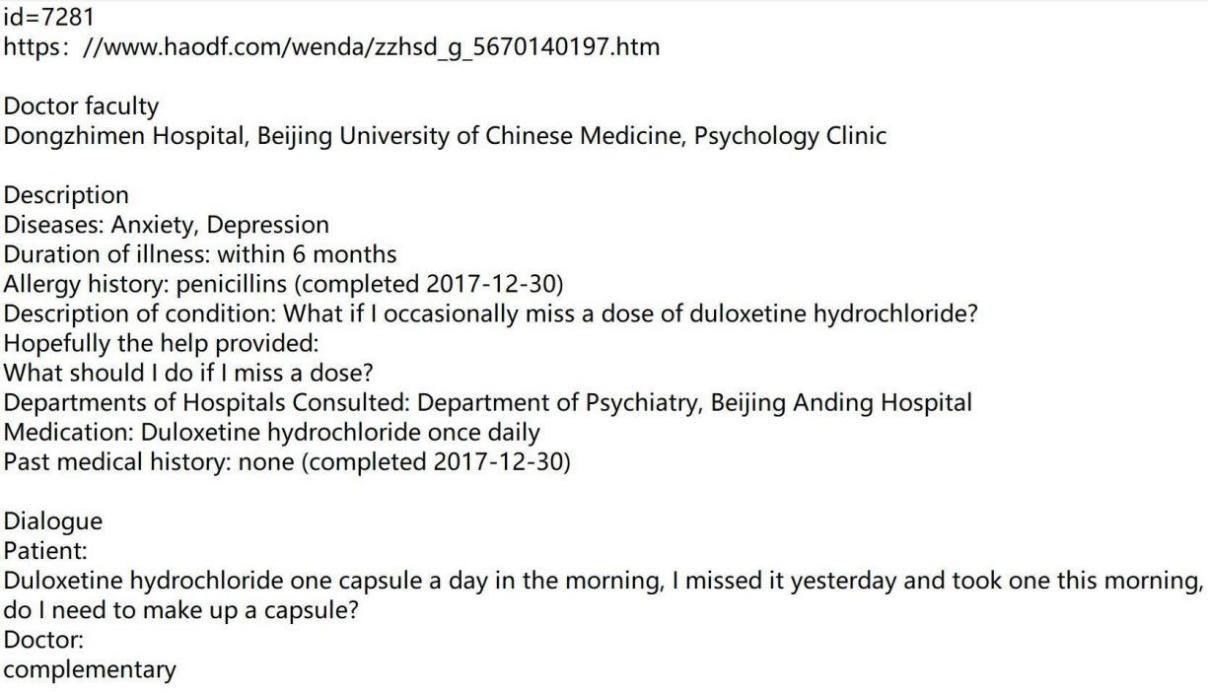
Figure 1. Example of raw data
In this study, a Python program was used to extract records from the original dataset based on the 'disease' field. For diabetes and coronary heart disease, 33,408 complete records were obtained, while 30,231 records were extracted for depression and anxiety. Since the focus is on users' information needs, the data was processed to exclude irrelevant content. Only the 'hopefully the help provided' field and the users' speech in the doctor-patient dialogue were retained. After removing duplicates and blank records, 20,676 records for physical illnesses (diabetes and coronary heart disease) and 20,914 for mental illnesses (depression and anxiety) remained, reflecting the information needs of the users.
Data Preprocessing and Description
In this study, the jieba library in Python was used for text segmentation and stop word removal. Since jieba struggles with medical terminology, the 'Medical Thesaurus Daquan' from Sogou Search was added as a custom lexicon to ensure proper segmentation, and the 'Chinese Stop Word List' was used to remove common stop words. In addition, words such as addressing, expressing gratitude, and polite phrases often appear in doctor-patient dialogue scenarios, but these words do not reflect the health information needs of users. Therefore, this study constructed a list of stop words, including words such as 'thank you', 'hello', 'trouble', 'please ask', etc., and supplemented it with the Chinese Deactivated Word List. To avoid the appearance of more topics directly related to diseases, the study deleted the words 'diabetes', 'coronary heart disease', 'depression', 'anxiety' and 'insulin' in the text.
After segmentation, word frequency statistics were generated, and the top 500 high-frequency words for users with physical and mental illnesses were visualised in word clouds (Figure 2a, 2b). Common keywords such as 'medication', 'treatment' and 'appointment' appeared for both groups, reflecting shared concerns about medical guidance and treatment plans. However, physical illness users also focused on surgical topics like 'imaging' and 'stenting', as well as lifestyle adjustments like 'diet' and 'exercise', while mental illness users emphasised emotional states like 'mood' and 'feeling'.
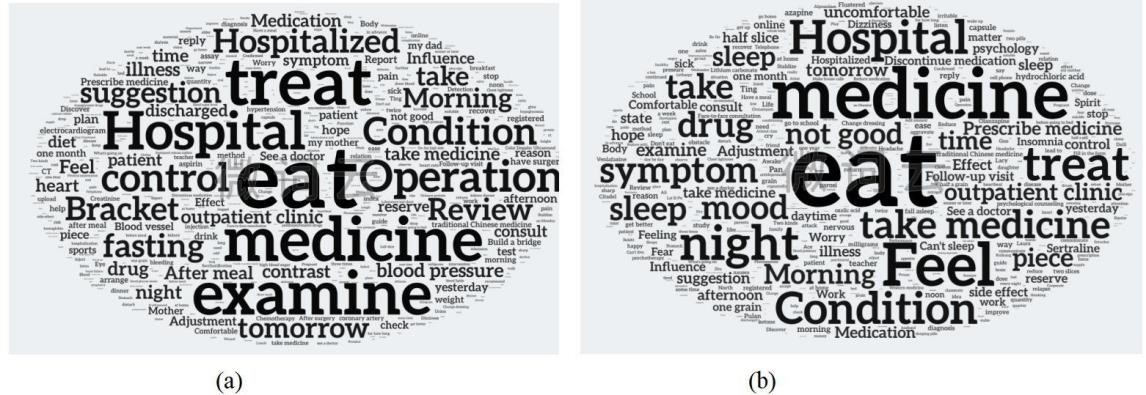
Figure 2. Word clouds of high-frequency words for different diseases: (a) from users with physical diseases; (b) from users with mental diseases
Data analysis methods
Latent Dirichlet Allocation (LDA) is a content analysis technique for topic modeling that reveals hidden topic structures and provides a probabilistic distribution of topics for each record (Blei et al., 2003; Maier et al., 2021). LDA is effective in processing large text datasets and interpreting potential topics (Chiru et al., 2014). This study used the Gensim package in Python for LDA topic analysis. To determine the optimal number of topics, perplexity and consistency were evaluated. Lower perplexity indicates higher model accuracy, but too many topics can cause overlap (Hasan et al,2021). Thus, the 'inflection point' of perplexity is typically chosen (Huang et al., 2021). Consistency was also used to measure how closely related the words in a topic are, with higher consistency indicating better interpretability (Hasan et al., 2021).
For sentiment analysis, this study employed the TextBlob method to calculate sentiment scores for each information need topic. Scores greater than 0 indicate positive sentiment, less than 0 indicate negative sentiment, and 0 is neutral. TextBlob is a Python library that provides simple Application Programming Interfaces (APIs) for Natural Language Processing (NLP) tasks, including sentiment analysis and noun-phrase extraction (Diyasa et al., 2021; Kunal et al., 2018).
Findings of the study
Topics of information needs
Figures 3(a) and 3(b) show the model's perplexity and consistency scores, respectively. In Figure 3(a), perplexity fluctuates with the number of topics, showing multiple inflection points. In Figure 3(b), consistency reaches its highest value when the number of topics is 6, then declines. To achieve maximum interpretability and relatively low perplexity, the number of topics in this study was set to 6.
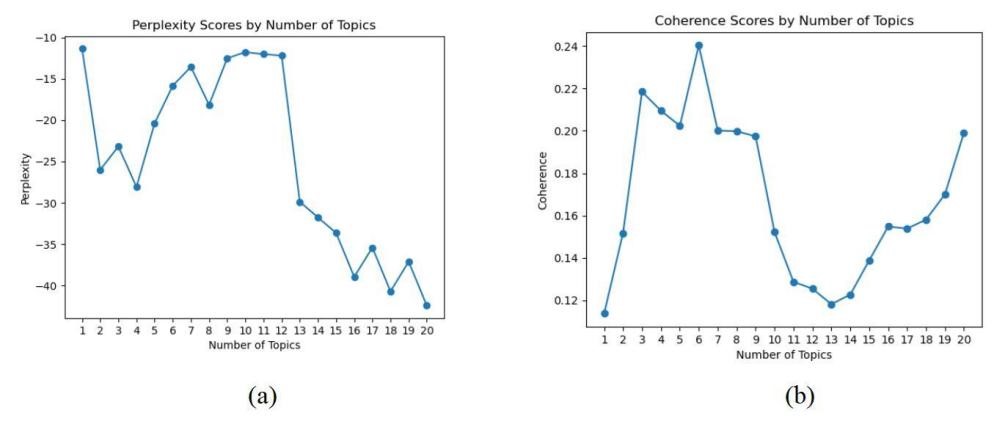
Figure 3. Model evaluation: (a) Confusion; (b) Consistency
To ensure accuracy and reliability, the data from users with physical and mental illnesses were combined after word segmentation, and corresponding disease labels ('coronary heart disease', 'diabetes', 'depression' or 'anxiety') were added to each record. This set the foundation for studying differences in information needs across diseases. The final LDA topic modeling results are shown in Table 1, which lists the six extracted topics, the top 10 keywords for each, the proportion of users with physical and mental illnesses in each topic, and examples from the dataset containing the keywords to better understand each topic.
| Topic | Disease type | Percentage | Top 10 Keywords | Example of original text | |
|---|---|---|---|---|---|
| Medical Procedures | physical illness | coronary heart disease | 16.02% | Hospital, appointment, tomorrow, time, registration, afternoon, morning, consultation, bed, telephone | Do I need to reserve in advance? How do I get an appointment with you? |
| diabetes | 42.75% | ||||
| mental illness | depression | 24.95% | |||
| anxiety | 16.27% | ||||
| Emotional Support | physical illness | coronary heart disease | 7.10% | Feeling, mood, bad, night, worry, life, fear, insomnia, compulsion, relief | What can I do to relieve my emotions? |
| diabetes | 17.26% | ||||
| mental illness | depression | 42.56% | |||
| anxiety | 33.07% | ||||
| Social Life | physical illness | coronary heart disease | 2.65% | School, mental, teacher, school, learning, counselling, counselling, status, work, advice | My condition has seriously affected my work, what can I do? |
| diabetes | 7.14% | ||||
| mental illness | depression | 57.38% | |||
| anxiety | 32.83% | ||||
| Disease Rehabilitation | physical illness | coronary heart disease | 15.61% | Fasting, control, blood pressure, postprandial, diet, adjustment, impact, weight, exercise, after meals | What is the effective level of fasting glucose control through dietary modification coupled with exercise? |
| diabetes | 73.68% | ||||
| mental illness | depression | 5.85% | |||
| anxiety | 4.86% | ||||
| Treatment Plans | physical illness | coronary heart disease | 22.45% | treatment, surgery, stents, control, drugs, imaging, consultation, plan, hospitalisation, users | The advice given by the local hospital was to replace the left heart valve, is the surgery necessary? |
| diabetes | 37.84% | ||||
| mental illness | depression | 23.45% | |||
| anxiety | 16.26% | ||||
| Medication Guidance | physical illness | coronary heart disease | 4.35% | Take, sleep, half a tablet, effects, side effects, take, one, stop, adjust, prescribe | How long will I probably have to take the medication? Will it come back if I stop taking the medication? |
| diabetes | 7.52% | ||||
| mental illness | depression | 43.99% | |||
| anxiety | 44.14% | ||||
Table 1. Topics and distribution of information needs
As can be seen from Table 1, the first topic contains keywords such as 'reservation' and 'registration', and is centred on matters related to medical appointments, so it is named 'Medical Procedure'. In this topic, 58.77% of the users were physical disease users and 41.23% were mental disease users. The second topic contains the words 'emotion', 'worry' and 'fear'. By observing the raw data, we can see that users mainly use these keywords to describe their own conditions. However, after the doctor reassures and encourages the user, the users' emotion becomes significantly more positive than before, reflecting the users' potential need for emotional support. Therefore, this study named it 'Emotional Support'. In this topic, 24.36% of the users were physically ill and 75.64% were mentally ill. The third topic contains the keywords 'school', 'study' and 'work'. In this topic, users described the interpersonal relationships and social activities they faced, or the stress in their existing social life that led to their illnesses, or the illnesses that had seriously affected their normal social life, so they sought advice from doctors. This study named it 'Social Life'. In this topic, 9.79% of the users had physical illnesses and 90.21% had mental illnesses. The fourth topic contains keywords such as 'diet', 'adjustment', 'exercise', etc., which involves the adjustment of users' lifestyles or the monitoring of their blood glucose, blood pressure, etc., which in general reflects the efforts made by users for disease rehabilitation. The study named it 'Disease Rehabilitation'. In this topic, 89.29% of the users were physical disease users and 10.71% were mental disease users. The fifth topic contains keywords such as 'surgery' and 'stent', reflecting users' demand for information on treatment plan such as surgery. This study named it 'Treatment Plan'. In this topic, 60.29% of the users were physical disease users and 39.71% were mental disease users. The sixth topic contains keywords related to medication, such as 'taking medicine' and 'medication', reflecting users' demand for medication advice during the treatment process, which is named 'Medication Guidance' in this study. Physical disease users accounted for 11.87 per cent of this topic, and mental disease users accounted for 88.13 per cent.
Dynamic evolution of information need topics
In order to understand what trends in the information need topics of users with physical and mental illnesses have shown over time, this study conducted statistics on the proportion of each information need topic of users with these two types of illnesses during 2016-2020, and the results are shown in Figures 4 and 5, respectively.
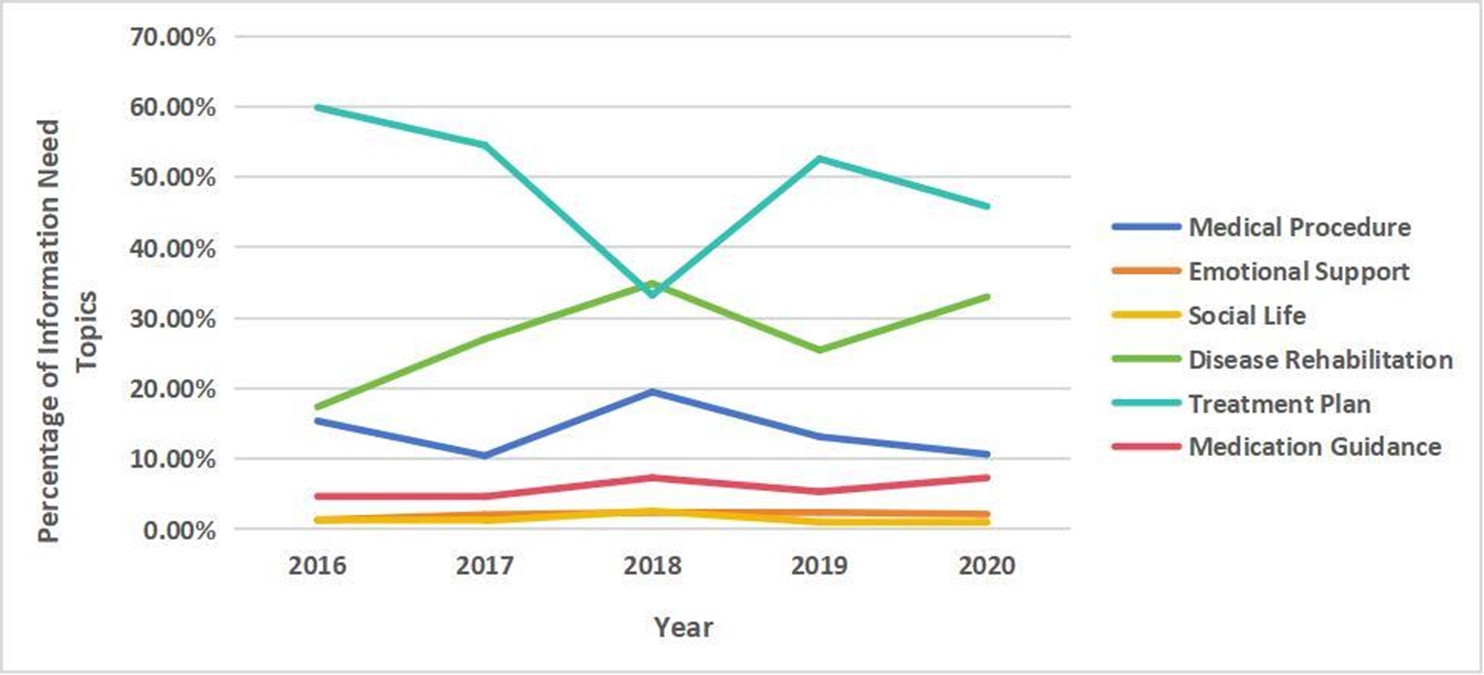
Figure 4. Changes in the topics of information needs of users of physical diseases between 2016-2020
As can be seen in Figure 4, the most concerned topic for users of physical diseases is Treatment Plan, whose share remains above 30% but shows a decreasing trend overall. In terms of the topic of Disease Rehabilitation, the information need of users is decreasing in 2018-2019, but the overall trend is increasing. In terms of the topic of Medical Procedure, its share stays between 10-20% and gradually tends to be stable. In the Medication Guidance topic, there is a slight increase in 2019-2020, but its share is below 10%. In terms of Emotional Support and Social Life topics, the share of users' information needs are both low and do not fluctuate significantly.
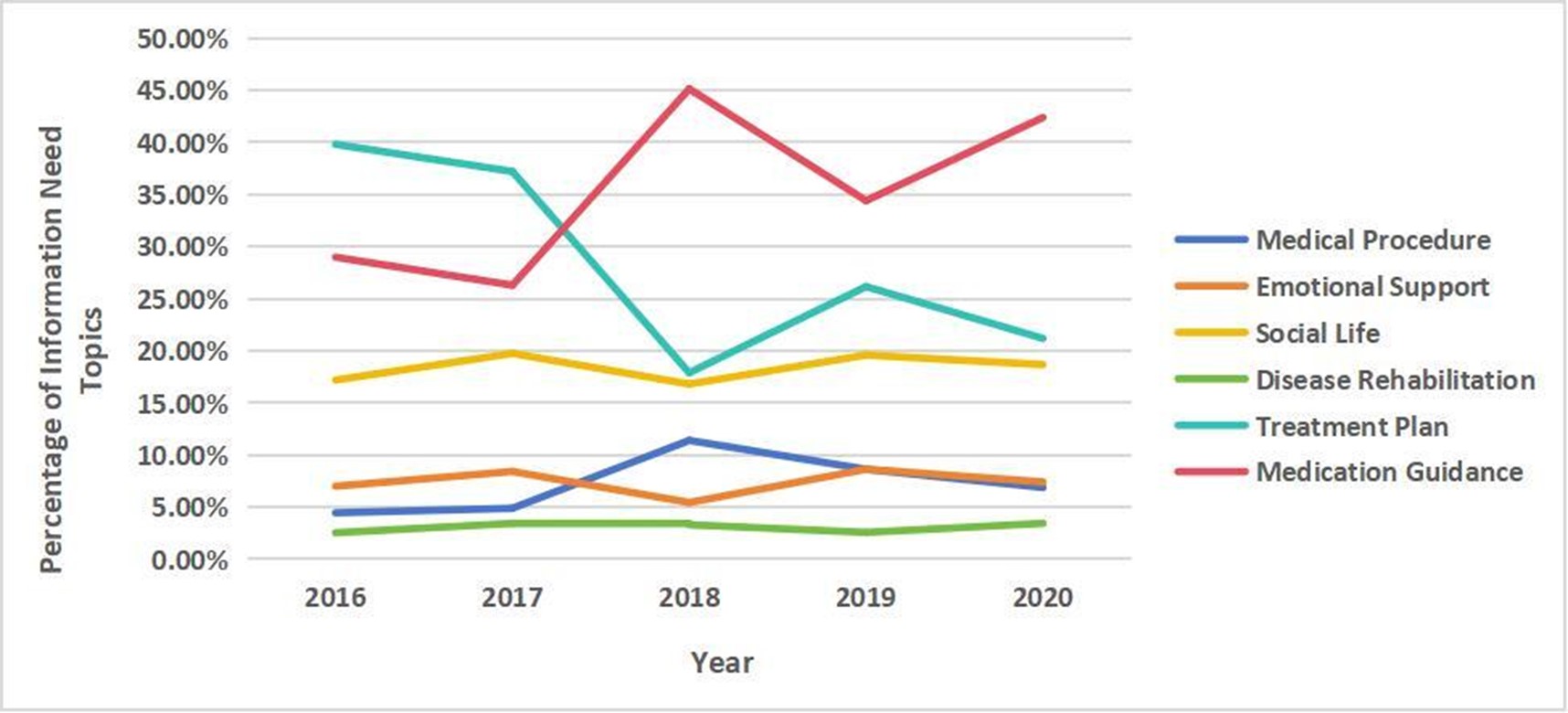
Figure 5. Changes in topics of information needs of mental illness users between 2016-2020
As can be seen in Figure 5, the information need for Medication Guidance by mental illness users has increased significantly since 2017 and reached a peak of 45%, and although it has decreased in 2018-2019, it still shows an increasing trend in 2019-2020. In the topic of Treatment Plan, its share, while increasing in 2018-2019, has significantly decreased since 2017 and remains on a decreasing trend in 2019-2020. In the Social Life topic, its share fluctuates slightly but remains at around 17% overall. In the Emotional Support topic, it reached its minimum in 2018 but remained between 5-10 per cent overall. In terms of the Medical Procedure topic, its share has increased since 2017 and peaked in 2018, before declining slightly. In terms of Disease Rehabilitation topic, the demand for its information from users was low and did not fluctuate significantly.
Emotional tendencies and differences between the two types of users when expressing information need topics
Sentiment analysis was performed using the TextBlob method, and radar charts were drawn based on the proportion of positive, negative, and neutral on the six topics by the two types of users, and the results are shown in Figure 6.
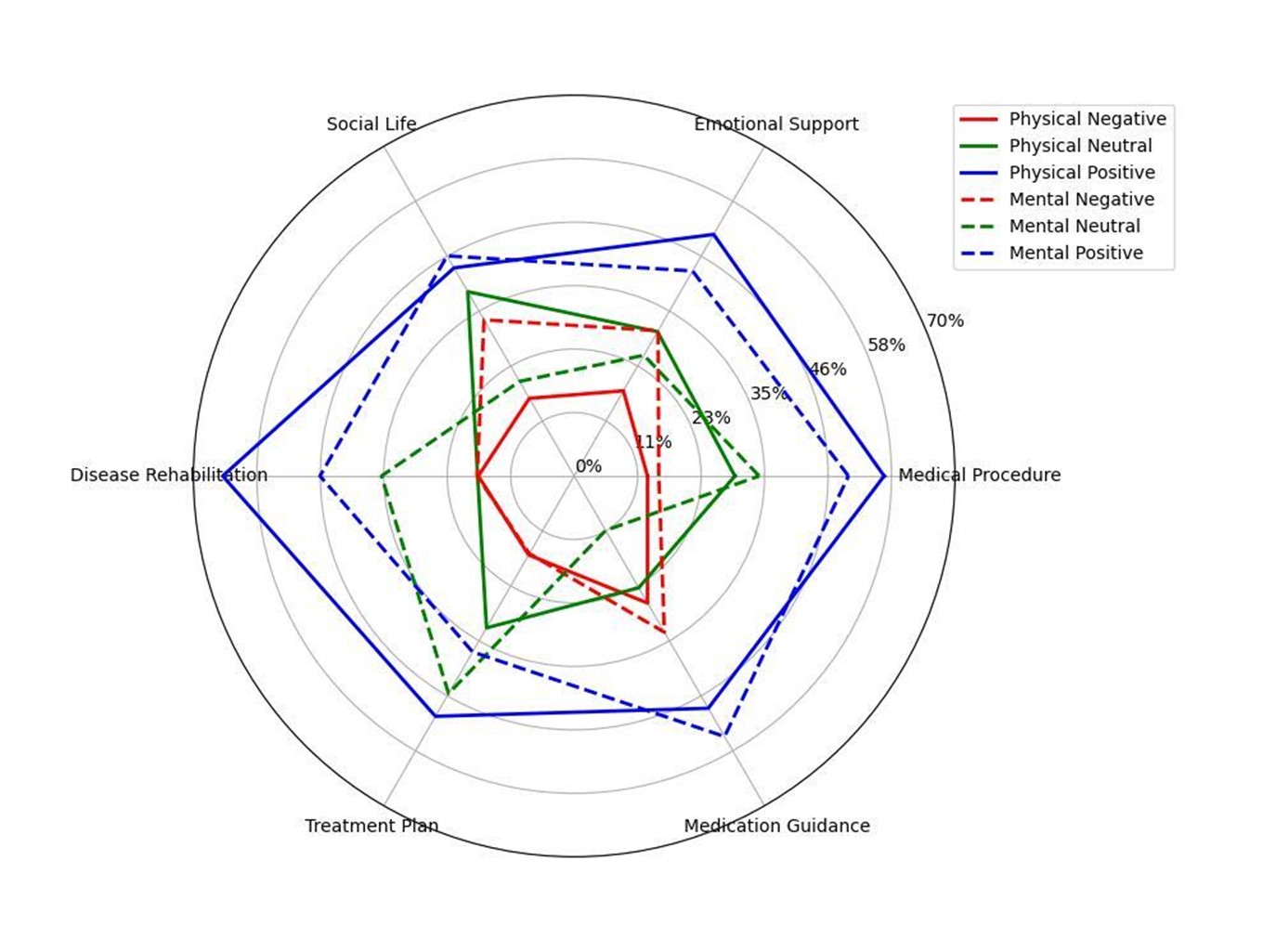
Figure 6. Emotional tendencies for each topic of information needs
As can be seen in Figure 6, physical and mental illness users showed different emotional tendencies when expressing different information need topics. Physical disease users generally showed positive emotional tendencies in the six information need topics covered, especially in the topic of Disease Rehabilitation, where the percentage of positive emotion peaked (64.62%). Mental illness users were predominantly neutral in their emotions in the Treatment Plan topic (46.18%), but emotions were also skewed positive in all the remaining five information need topics. Among the negative emotions, the two types of users showed a large difference in the two information need topics of Emotional Support and Social Life, with users with mental illness showing more negative emotional tendencies.
Further independent samples t-tests were conducted on the emotional tendencies of physical and mental illness users in each information need topic, and the results of the tests are shown in Table 2.
| Topics for information needs | Disease type | Mean | Standard Deviation | t | p |
|---|---|---|---|---|---|
| Medical Procedures | physical illness | 0.108 | 0.191 | 3.869 | 0.000 |
| mental illness | 0.088 | 0.192 | |||
| Emotional Support | physical illness | 0.090 | 0.219 | 5.849 | 0.000 |
| mental illness | 0.026 | 0.201 | |||
| Social Life | physical illness | 0.084 | 0.210 | 6.000 | 0.000 |
| mental illness | 0.027 | 0.190 | |||
| Disease Rehabilitation | physical illness | 0.093 | 0.166 | 2.605 | 0.009 |
| mental illness | 0.076 | 0.189 | |||
| Treatment Plans | physical illness | 0.084 | 0.192 | 7.327 | 0.000 |
| mental illness | 0.059 | 0.197 | |||
| Medication Guidance | physical illness | 0.064 | 0.207 | 3.805 | 0.000 |
| mental illness | 0.044 | 0.181 |
Table 2. Results of analysing the sentiment differences between the two types of users on different topics of information needs
From Table 2, there is a significant difference between the two types of users in terms of their emotional tendencies on the six information need topics (p< 0.05), and the t-values are positive, indicating that users with physical illnesses have more positive emotional tendencies in expressing their information need topics. Meanwhile, this study further examined whether there were any significant differences in emotional tendencies between the same types of diseases. The results showed that under the topic of Medication Guidance, there was a significant difference between diabetes and coronary heart disease (t(1359)=-2.350, p=0.019) as well as depression and anxiety (t(10101)=2.169, p=0.030). However, there were no significant differences in emotional tendencies between the same types of diseases in the remaining topics of information needs.
Discussion
Information Need Topics of Two Types of users
In this study, the LDA method was used to identify six major health information need topics of users in online health communities: Medical Procedure, Emotional Support, Social Life, Disease Rehabilitation, Treatment Plan, and Medication Guidance. The results of the study show that there are both commonalities and differences in the topics of information needs between the two types of users.
The commonality is that Medical Procedure is a topic of common concern for both. However, physical illness users (58.77%) were more concerned than mental illness users (41.23%). This is precisely because of the stigma attached to mental illnesses, which leads to a stronger sense of shame for users about their condition and concerns about offline medical treatment (Griffiths et al., 2008). In addition, the uncertainty of the treatment process of mental illness, such as frequent medication adjustments, long treatment periods and slow results, prompts users to prefer online counselling in order to obtain professional advice quickly, while avoiding the additional costs and psychological burden of offline medical treatment (Moncrieff, 2006). Among physical illnesses, diabetes users (42.75%) had a particularly high demand for information on this topic. This may be attributed to the fact that diabetes care is more complex and rigorous and can lead to many complications, thus requiring users to seek frequent medical attention (Shrivastava et al., 2013).
The difference lies in the fact that users with physical illnesses focus on Disease Rehabilitation and Treatment Plan, whereas users with mental illnesses are more in need of information related to Emotional Support, Social Life and Medication Guidance. Treatment Plan is also more diverse as lifestyle changes and monitoring of daily indicators are essential for prevention and management of physical diseases (Raveendran et al., 2018; Tuomilehto, 2009). The causes of mental illnesses are often closely related to social stress, while illnesses often directly bring negative emotions such as loneliness, stigma, and fear. In addition, the uncertainty of medication leads to the need for users to frequently request Medication Guidance (Bonde, 2008; Moncrieff, 2006; Pilkington et al., 2015). The need for Emotional Support is particularly prominent among depressed users (57.38%), which may be because depressed users are more susceptible to the interpersonal and social environment (Monroe et al., 2009).
This study reveals the commonalities and differences in the topics of information needs of the two types of users, providing a basis for a deeper understanding of users' health information needs. For healthcare professionals, it is critical to identify and meet the specific information needs of users with different diseases. For online health community developers and operators, it is important to develop personalised information services based on disease characteristics to optimise the user experience and improve the quality of information services.
Changes in the topics of information needs of the two groups of users
Physical and mental illness users also show commonalities and differences in the changes in the topics of information needs. In terms of commonality, both are affected by technological advances, such as online registration and reservation services that have reduced users' reliance on Medical Procedure information (Zhao et al., 2017). In terms of differences, physical disease users gradually shifted from relying on Treatment Plan to valuing Disease Rehabilitation information, reflecting a shift in health concepts (Artinian et al., 2010); whereas mental disease users are highly concerned about Medication Guidance and the demand continues to grow, which may be related to the increase in conditions and advances in medication (Sun et al., 2020; Sartori and Singewald, 2019). In addition, mental illness users do not have a high demand for information on Emotional Support despite the stress of their Social Life. This may be because users prefer to seek emotional support from closer people such as family members, friends and relatives, or the quality of emotional support information provided by healthcare professionals is generally low (Aydin et al., 2003; Ross and Goldner, 2009; Samari et al., 2022).
These commonalities and differences not only reveal the changing characteristics of users' health information needs but also provide important references for policy formulation and healthcare service optimisation. Changes in the topics of information needs not only reflect the shift in the focus of the topics of users' health information needs, but also, to a certain extent, reflect changes in social policy, culture and the development of the healthcare field. For governments and other organisations, these changes are an important basis for evaluating the effectiveness of policies and optimising the allocation of resources. For healthcare professionals, these changes in information need topics over time can be used to adjust information service strategies to better meet the current information needs of users.
Emotional tendencies of the two types of users when expressing information need topics
This study found that both types of users generally displayed positive emotional tendencies when expressing the six types of information need topics. This is consistent with previous findings that most users play the role of active information seekers in different disease contexts (Eheman et al., 2009; Radina et al., 2011). This activism stems from a high level of trust in professional health information, which constitutes a strong motivation for emotional needs, which in turn triggers the need for information.
However, through independent samples t-tests, this study found significant differences in the emotional dispositions of both types of users, and that mental illness users were more negatively disposed. Specifically, physical disease users demonstrated higher positive emotion (64.62%) due to the simplicity and effectiveness of Disease Rehabilitation information. On the topic of Treatment Plan, the positive sentiment of physical disease users (51.01%) is much higher than that of mental disease users (37.34%), mainly because the treatment plan for physical disease is relatively clear, whereas the treatment for mental disease is full of uncertainty, and the users generally have insufficient knowledge of the disease and lack of confidence (Renwick et al., 2024). Social neglect of mental illness is one of the reasons. Therefore, this study calls for strengthening the knowledge of mental illness, emphasising its treatability, encouraging users to cooperate with treatment with a positive mindset, and combining professional psychological counselling with medication for good results (Asiello et al., 2016). Meanwhile, in terms of Emotional Support and Social Life, the statements of mental illness users are long and narrative, containing many sensory-perceptual words and vague information needs, which is in line with Zhi et al.'s (2022) description of information needs at the level of consciousness. This suggests that the information needs of mental illness users are mostly at the level of consciousness, and by describing their onset in detail, users hope that the doctors in the online health community can tap into their real information needs, so that they can obtain the appropriate targeted treatment plan.
This study found that users with mental illness showed more negative emotions when expressing information need themes. This phenomenon may be related to their perceived inequality or disadvantage in the information access process (Mishra and Carleton, 2015). Unlike most physical illnesses for which cures can be achieved through definitive treatments such as surgery and medication, mental illnesses usually require a combination of external treatments and self-psychological regulation. Furthermore, social stigmatisation intensifies users' perceived inequality, leading to more negative emotions. The negative emotional tendency leads to the need for information about mental illness users' Social Life and Emotional Support, which prevents users from actively obtaining information related to Disease Rehabilitation and Treatment Plan. In the topic of Medication Guidance, the more negative emotional tendencies of users with diabetes and anxiety diseases may be attributed to the relative ineffectiveness of pharmacological treatments for these two diseases (Andersson, 1995; Hofmann, 2007).
For this reason, the results of this study call for healthcare professionals to increase emotional attention and support for mental illness users in their daily work to meet their unique emotional needs. Meanwhile, the online health community can establish a virtual communication function module for mental illness users to facilitate confidences, exchanges, and emotional support among users to enhance their confidence in recovery.
Conclusions and Limitations
This study reveals the topics of information needs that are of concern to users of both physical and mental illnesses, which are six areas: Medical Procedure, Emotional Support, Social Life, Disease Rehabilitation, Treatment Plan, and Medication Guidance. Among them, physical disease users pay more attention to the topics of Disease Rehabilitation and Treatment Plan, while mental disease users pay more attention to the topic of Medication Guidance. In addition, Medical Procedure is a common topic of concern for both. Over time, influenced by national policies, social environment, medical conditions and other factors, the topics of information needs that these two types of users focus on, will evolve. There is a significant difference in the emotional tendency of the two types of users in expressing different topics of information needs. Among them, mental illness users showed stronger negative emotional tendencies on all topics. Moreover, this study found that users' trust in professional health information was the emotional need motivation that triggered information needs. Mental illness users generally lacked confidence in treatment plans and their information needs were mostly at the conscious level, and they were unable to specify their information needs.
Despite the effort put into this study, there are still some limitations. Firstly, the data used in this study only came from 'Good Doctor Online', and there may be differences between different online health communities, so the results of this study may not be able to represent the full picture of the information needs of users in all online health communities. Second, due to the protection of user privacy in online health communities, this study was unable to obtain detailed demographic information of users, such as gender and age, and was unable to study the differences in information needs caused by different demographic factors at the individual level. Therefore, future research could collect data across platforms and incorporate individual demographic factors into the analysis. Finally, the sentiment analysis in this study relied on a pre-defined sentiment lexicon, which may not be able to capture subtle sentiment changes in the text. Future research could consider using more advanced technological tools such as deep learning models to improve the accuracy and applicability of the analysis.
Acknowledgements
This study was supported by the Post-Research Support Project of the National Social Science Foundation of China (No. 24FTQA003).
About the authors
Zhengbiao Han is a professor at the College of Information Management, Nanjing Agricultural University, China. He received his Ph.D. in Library and Information Science from Nankai University, China. His research interests include interactive information retrieval, human-computer interaction, and information practices of vulnerable groups. He can be contacted at zbh1985@njau.edu.cn.
Jinwen Chen is a graduate student at the College of Information Management, Nanjing Agricultural University, China. Her main research areas are human information behaviour and human-computer interaction. She can be contacted at chenjinwen@stu.njau.edu.cn.
Haoyu Zhao is a Ph.D. student at the College of Information Management , Nanjing Agricultural University, China. His research interests focus on human information behaviour and human-computer interaction. He can be contacted at zhaohaoyu@stu.njau.edu.cn.
Jingwei Wen is a graduate student at the Engineering College, The Chinese University of Hong Kong. His main research areas are human information behavior and behavioral economics. He can be contacted at jingweiwen235@gmail.com.
References
Adamson, S. C. & Bachman, J. W. (2010). Pilot study of providing online care in a primary care setting. Mayo Clinic Proceedings, 85(8), 704-710. https://doi.org/10.4065/mcp.2010.0145
Andersson, D. K. G. (1995). The importance of tight blood glucose control in diabetes. Scandinavian Journal of Primary Health Care, 13(2), 81-82. https://doi.org/10.3109/02813439508996740
Ankem, K. (2006). Factors influencing information needs among cancer patients: A meta-analysis. Library & Information Science Research, 28(1), 7-23. https://doi.org/10.1016/j.lisr.2005.11.003
Artinian, N. T., Fletcher, G. F., Mozaffarian, D., Kris-Etherton, P., Van Horn, L., Lichtenstein, A.H., Kumanyika, S., Kraus, W. E., Fleg, J. L., Redeker, N. S., Meininger, J. C., Banks, J., Stuart-Shor, E. M., Fletcher, B. J., Miller, T. D., Hughes, S., Braun, L. T., Kopin, L. A., Berra, K. ... Burke, L.E. (2010). Interventions to promote physical activity and dietary lifestyle changes for cardiovascular risk factor reduction in adults: a scientific statement from the American Heart Association. Circulation, 122(4), 406-441. https://doi.org/10.1161/CIR.0b013e3181e8edf1
Aydin, N., Yigit, A., Inandi, T. & Kirpinar, I. (2003). Attitudes of hospital staff toward mentally ill patients in a teaching hospital, Turkey. International Journal of Social Psychiatry, 49(1), 17-26. https://doi.org/10.1177/0020764003049001544
Belkin, N. J., Oddy, R. N. & Brooks, H. M. (1982). ASK for information retrieval: Part I. Background and theory. Journal of Documentation, 38(2), 61-71. https://doi.org/10.1108/eb026722
Biernatzki, L., Kuske, S., Genz, J., Ritschel, M., Stephan, A., Bächle, C., Droste, S., Grobosch, S., Ernstmann, N., Chernyak, N. & Icks, A. (2018) Information needs in people with diabetes mellitus: a systematic review. Systematic Reviews, 7(1), 1-21. https://doi.org/10.1186/s13643-018-0690-0
Blei, D. M., Ng, A. Y., & Jordan, M. I. (2003). Latent dirichlet allocation. Journal of Machine Learning Research, 3(4-5), 993-1022. https://doi.org/10.1162/jmlr.2003.3.4-5.993
Bonde, J. P. E. (2008). Psychosocial factors at work and risk of depression: a systematic review of the epidemiological evidence. Occupational and Environmental Medicine, 65(7), 438-445. https://doi.org/10.1136/oem.2007.038430
Chen, Y. & Lu, Y. (2020). Factors influencing the information needs and information access channels of farmers: An empirical study in Guangdong, China. Journal of Information Science, 46(1), 3-22. https://doi.org/10.1177/0165551518819970
Chiru, C., Rebedea, T. & Ciotec, S. (2014). Comparison between LSA-LDA-lexical chains. In Proceedings of the 10th International Conference on Web Information Systems and Technologies (pp. 255-262). Scitepress. https://doi.org/10.5220/0004798102550262
Chowdhury, S., Gibb, F. & Landoni, M. (2011). Uncertainty in information seeking and retrieval: A study in an academic environment. Information Processing & Management, 47(2), 157-175. https://doi.org/10.1016/j.ipm.2010.09.006
Cole, C. (2011). A theory of information need for information retrieval that connects information to knowledge. Journal of the American Society for Information Science and Technology, 62(7), 1216-1231. https://doi.org/10.1002/asi.21541
Ding, N. (2023). Influencing Factors of Physician Performance in Online Health Communities: -- Take the Good Doctor Online Website as an Example. Transactions on Social Science, Education and Humanities Research, 1, 201–210. https://wepub.org/index.php/TSSEHR/article/view/35 (Internet Archive)
Eheman, C. R., Berkowitz, Z., Lee, J., Mohile, S., Purnell, J., Marie Rodriguez, E., Roscoe, J., Johnson, D., Kirshner, J., & Morrow, G. (2009). Information-seeking styles among cancer patients before and after treatment by demographics and use of information sources. Journal of health communication, 14(5), 487-502. https://doi.org/10.1080/10810730903032945
Eikey, E. V., Reddy, M. C., Booth, K. M., Kvasny, L., Blair, J. L., Li, V. & Poole, E. S. (2017). Desire to be underweight: Exploratory study on a weight loss app community and user perceptions of the impact on disordered eating behaviors. JMIR mHealth and uHealth, 5(10), 1-12. https://doi.org/10.2196/mhealth.6683
Fourie, I. (2009). Learning from research on the information behaviour of healthcare professionals: a review of the literature 2004 - 2008 with a focus on emotion. Health Information & Libraries Journal, 26(3), 171-186. https://doi.org/10.1111/j.1471-1842.2009.00860.x
Genuis, S. K. & Bronstein, J. (2017). Looking for 'normal': Sense making in the context of health disruption. Journal of the Association for Information Science and Technology, 68(3), 750-761. https://doi.org/10.1002/asi.23715
Griffiths, K. M., Christensen, H. & Jorm, A. F. (2008). Predictors of depression stigma. BMC psychiatry, 8(1), 1-12. https://doi.org/10.1186/1471-244X-8-25
Haasio, A., Harviainen, J. T. & Savolainen, R. (2020). Information needs of drug users on a local dark Web marketplace[J]. Information Processing & Management, 57(2), 1-24. https://doi.org/10.1016/j.ipm.2019.102080
Han, Z., Zhong, H., & Hansen, P. (2024). The complex information needs of Chinese parents of children with autism spectrum disorder. Online Information Review, 48(3), 601-618. https://doi.org/10.1108/OIR-04-2022-0247
Han, Z., Zhong, H., & Hansen, P. (in press). Worried, anxious and uplifted: emotions of Chinese parents of children with autism spectrum disorder when expressing information needs. Aslib Journal of Information Management. https://doi.org/10.1108/AJIM-09-2023-0336
Hasan, M., Rahman, A., Karim, M. R., Khan, M. S. I., & Islam, M. J. (2021). Normalized Approach to Find Optimal Number of Topics in Latent Dirichlet Allocation (LDA). Paper presented at the Proceedings of International Conference on Trends in Computational and Cognitive, 341–354. https://doi.org/10.1007/978-981-33-4673-4_27
Hofmann, S. G. (2007). Cognitive factors that maintain social anxiety disorder: A comprehensive model and its treatment implications. Cognitive Behaviour Therapy, 36(4), 193-209. https://doi.org/10.1080/16506070701421313
Huang, Y., Wang, R., Huang, B., Wei, B., Zheng, S. L. & Chen, M. (2021). Sentiment classification of crowdsourcing participants' reviews text based on LDA topic model. IEEE Access, 9(1), 108131-108143. https://doi.org/10.1109/ACCESS.2021.3101565
Iasiello, M., van Agteren, J., Keyes, C. L. & Cochrane, E. M. (2019). Positive mental health as a predictor of recovery from mental illness. Journal of Affective Disorders, 251(1), 227-230. https://doi.org/10.1016/j.jad.2019.03.065
Ingwersen, P. (2001). Users in Context. In M. Agosti, F. Crestani & G. Pasi (Eds.), Lectures on Information Retrieval: Third European Summer-School, ESSIR 2000 Varenna, Italy, September 11–15, 2000 Revised Lectures (pp. 157–178). Springer Berlin Heidelberg. https://doi.org/10.1007/3-540-45368-7_8
Khunti, K., Chudasama, Y.V., Gregg, E.W., Kamkuemah, M., Misra, S., Suls, J., Venkateshmurthy, N.S. & Valabhji, J. (2023). Diabetes and multiple long-term conditions: a review of our current global health challenge[J]. Diabetes Care, 46(12), 2092-2101. https://doi.org/10.2337/dci23-0035
Kuhlthau, C. C. (2004). Seeking meaning: A process approach to library and information services. Libraries Unlimited.
Kunal, S., Saha, A., Varma, A. & Tiwari, V. (2018). Textual dissection of live Twitter reviews using naive Bayes. Procedia Computer Science, 132(1), 307-313. https://doi.org/10.1016/j.procs.2018.05.182
Le, H. T., Nguyen, D. N., Beydoun, A. S., Le, X. T. T., Nguyen, T. T., Pham, Q. T., Ta, N. T. K., Nguyen, Q. T., Nguyen, A. N., Hoang, M. T., Vu, L. G., Tran, B. X., Latkin, C. A., Ho, C. S. H. & Ho, R. C. M. (2020). Demand for health information on COVID-19 among Vietnamese. International Journal of Environmental Research and Public Health, 17(12), 1-12. https://doi.org/10.3390/ijerph17124377
Liu, H., Wen, Y., Wu, C., Zhao, Y., Lai, W., Zhao, Y., Yuan, J., Liu, Y., Zhou, X., Sharma, M., Chen, Y. & Zeng, H. (2023). Exploring health literacy in patients with chronic diseases in Chongqing, China: a cross-sectional study. BMJ Open, 13(7), 1-6. https://doi.org/10.1136/bmjopen-2022-064609
Liu, J., Kong, J.. & Zhang, X. (2020). Study on differences between patients with physiological and psychological diseases in online health communities: topic analysis and sentiment analysis. International Journal of Environmental Research and Public Health, 17(5), 1-17. https://doi.org/10.3390/ijerph17051508
Ilic, A., Sievers, Y., Roser, K., Scheinemann, K., & Michel, G. (2023). The information needs of relatives of childhood cancer patients and survivors: A systematic review of qualitative evidence. Patient Education and Counseling, 114, 107840. https://doi.org/10.1016/j.pec.2023.107840
Ma, D., Zuo, M. & Liu, L. (2021). The information needs of Chinese family members of cancer patients in the online health community: what and why?. Information Processing & Management, 58(3), 1-15. https://doi.org/10.1016/j.ipm.2021.102517
Maier, D., Waldherr, A., Miltner, P., Wiedemann, G., Niekler, A., Keinert, A., Pfetsch, B., Heyer, G., Reber, U., Häussler, T., Schmid-Petri, H. & Adam, S. (2021). Applying LDA topic modeling in communication research: Toward a valid and reliable methodology. Computational Methods for Communication Science, 12(10), 1-26. https://doi.org/10.1080/19312458.2018.1430754
Malik, A., Islam, T., Ahmad, M., & Mahmood, K. (2023). Health information seeking and sharing behavior of young adults on social media in Pakistan. Journal of Librarianship and Information Science, 55(3), 579–595. https://doi.org/10.1177/09610006221090228
Marshall, B., Cardon, P., Poddar, A. & Fontenot, R. (2013). Does sample size matter in qualitative research?: A review of qualitative interviews in IS research. Journal of Computer Information Systems, 54(1), 11-22. https://doi.org/10.1080/08874417.2013.11645667
Mas Diyasa, I. G. S., Marini Mandenni, N.,Made Ika, Fachrurrozi, M. I., Pradika, S. I., Nur Manab, K. R., & Sasmita, N. R. (2021). Twitter Sentiment Analysis as an Evaluation and Service Base On Python Textblob. IOP Conference Series: Materials Science and Engineering, 1125(1), 012034. https://doi.org/10.1088/1757-899X/1125/1/012034
Mishra, S. & Carleton, R. N. (2015). Subjective relative deprivation is associated with poorer physical and mental health. Social Science & Medicine, 147(1), 144-149. https://doi.org/10.1016/j.socscimed.2015.10.030
Mistry, A., Wilson, S., Priestman, T., Damery, S. & Haque, M. S. (2010) How do the information needs of cancer patients differ at different stages of the cancer journey? A cross-sectional survey. JRSM Short Reports, 1(4), 1-10. https://doi.org/10.1258/shorts.2010.010032
Miyashita, M., Ohno, S., Kataoka, A., Tokunaga, E., Masuda, N., Shien, T., Kawabata, K. & Takahashi, M. (2015). Unmet information needs and quality of life in young breast cancer survivors in Japan. Cancer Nursing, 38(6), 1-11. https://doi.org/10.1097/NCC.0000000000000201
Moncrieff, J. (2006). Why is it so difficult to stop psychiatric drug treatment?: It may be nothing to do with the original problem. Medical Hypotheses, 67(3), 517-523. https://doi.org/10.1016/j.mehy.2006.03.009
Monroe, S. M., Slavich, G. M. & Georgiades, K. (2014). The social environment and depression: The roles of life stress. In I. H. Gotlib & C. L. Hammen (Eds.), Handbook of depression (3rd ed., pp. 296–314). The Guilford Press.
Moshfeghi, Y. (2012). Role of emotion in information retrieval. University of Glasgow.
Pian, W., Song, S. & Zhang, Y. (2020). Consumer health information needs: A systematic review of measures. Information Processing & Management, 57(2), 1-11. https://doi.org/10.1016/j.ipm.2019.102077
Pilkington, P. D., Milne, L. C., Cairns, K. E., Lewis, J. & Whelan, T. A. (2015). Modifiable partner factors associated with perinatal depression and anxiety: a systematic review and meta-analysis. Journal of Affective Disorders, 178(1), 165-180. https://doi.org/10.1016/j.jad.2015.02.023
Radina, M. E., Ginter, A. C., Brandt, J., Swaney, J., & Longo, D. R. (2011). Breast cancer patients' use of health information in decision making and coping. Cancer Nursing, 34(5), https://doi.org/1-12.10.1097/NCC.0b013e3181faab7c
Raveendran, A.V., Chacko, E.C. & Pappachan, J.M. (2018). Non-pharmacological treatment options in the management of diabetes mellitus. European Endocrinology, 14(2), 31-39. https://doi.org/10.17925/EE.2018.14.2.31
Renwick, L., Pedley, R., Johnson, I., Bell, V., Lovell, K., Bee, P., & Brooks, H. (2024). Mental health literacy in children and adolescents in low-and middle-income countries: a mixed studies systematic review and narrative synthesis. European Child & Adolescent Psychiatry, 33(4), 961-985. https://doi.org/10.1007/s00787-022-01997-6
Ross, C. A. & Goldner, E.M. (2009). Stigma, negative attitudes and discrimination towards mental illness within the nursing profession: a review of the literature. Journal of Psychiatric and Mental Health Nursing, 16(6), 558-567. https://doi.org/10.1111/j.1365-2850.2009.01399.x
Ruthven, I. (2019). The language of information need: Differentiating conscious and formalized information needs. Information Processing & Management, 56(1), 77-90. https://doi.org/10.1016/j.ipm.2018.09.005
Rutten, L. J. F., Arora, N. K., Bakos, A. D., Aziz, N. & Rowland, J. (2005). Information needs and sources of information among cancer patients: a systematic review of research (1980–2003). Patient Education and Counseling, 57(3), 250-261. https://doi.org/10.1016/j.pec.2004.06.006
Sairanen, A. & Savolainen, R. (2010). Avoiding health information in the context of uncertainty management. Information Research: an International Electronic Journal, 15(4). paper 443. https://informationr.net/ir/15-4/paper443.html (Internet Archive)
Samari, E., Teh, W. L., Roystonn, K., Devi, F., Cetty, L., Shahwan, S. & Subramaniam, M. (2022). Perceived mental illness stigma among family and friends of young people with depression and its role in help-seeking: a qualitative inquiry. BMC Psychiatry, 22(1), 1-13. https://doi.org/10.1186/s12888-022-03754-0
Sartori, S. B. & Singewald, N. (2019). Novel pharmacological targets in drug development for the treatment of anxiety and anxiety-related disorders. Pharmacology & Therapeutics, 204(1), 1-33. https://doi.org/10.1016/j.pharmthera.2019.107402
Savolainen, R. (2012). Elaborating the motivational attributes of information need and uncertainty. Information Research: an International Electronic Journal, 15(4). paper 516. https://informationr.net/ir/17-2/paper516.html (Internet Archive)
Sheehy, E. M., Lehane, E., Quinn, E., Livingstone, V., Redmond, H. P., & Corrigan, M. A. (2018). Information needs of patients with breast cancer at years one, three, and five after diagnosis. Clinical Breast Cancer, 18(6), 1269-1275. https://doi.org/10.1016/j.clbc.2018.06.007
Shenton, A. K. (2007) Viewing information needs through a Johari Window. Reference Services Review, 35(3), 487-496. https://doi.org/10.1108/00907320710774337
Shrivastava, S. R., Shrivastava, P. S. & Ramasamy, J. (2013). Role of self-care in management of diabetes mellitus. Journal of Diabetes & Metabolic Disorders, 12(1), 1-5. https://doi.org/10.1186/2251-6581-12-14
Son, N. T., Hsu, H., Huong, P. T. T., & Trung, T. Q. (2023). Information Needs of Patients With Breast Cancer Undergoing Treatment in Vietnam and Related Determinants. Journal of Nursing Research, 31(2), 1-10. https://doi.org/10.1097/jnr.0000000000000546
Sun, Y., Bao, Y., Ravindran, A., Sun, Y., Shi, J. & Lu, L. (2020). Mental health challenges raised by rapid socioeconomic transformations in China: lessons learned and prevention strategies. Heart and Mind, 4(3), 59-66. https://doi.org/10.4103/hm.hm_22_20
Taylor, R. S. (1968). Question-Negotiation and Information Seeking in Libraries. College & Research Libraries, 76(1), 251-267. https://doi.org/10.5860/crl.76.3.251
Tenbult, N., van Asten, I., Traa, S., Brouwers, R. W. M., Spee, R. F., Lu, Y., Brini, A., Kop, W. & Kemps, H. (2023). Determinants of information needs in patients with coronary artery disease receiving cardiac rehabilitation: a prospective observational study. BMJ Open, 13(2), 1-10. https://doi.org/10.1136/bmjopen-2022-068351
Tuomilehto, J. (2009). Nonpharmacologic therapy and exercise in the prevention of type 2 diabetes. Diabetes Care, 32(2), 189-193. https://doi.org/10.2337/dc09-S308
van der Eijk, M., Faber, M. J., Aarts, J. W., Kremer, J. A., Munneke, M. & Bloem, B. R. (2013). Using online health communities to deliver patient-centered care to people with chronic conditions. Journal of medical Internet research, 15(6), 1-10. https://doi.org/10.2196/jmir.2476
van Horen, F., Wänke, M., & and Mussweiler, T. (2024). When it pays to be clear: the appeal of concrete communication under uncertainty. International Journal of Advertising, 43(3), 533–553. https://doi.org/10.1080/02650487.2023.2206689
Vives, M.-L., de Bruin, D., van Baar, J. M., & Feldman Hall, O. (2024). Tweeting under uncertainty: The relationship between uncertain language and negative emotions in the wild. Emotion, 24(8), 1899–1906. https://doi.org/10.1037/emo0001376
Wang, X., & Nyabuto, C. (2024). Chronic disease intervention in patients with cardiovascular disorders: a systematic review. European Review for Medical and Pharmacological Sciences, 28(4), 1490–1503. https://doi.org/10.26355/eurrev_202402_35479
Wang, Y., Shi, C., Wang, X., Meng, H., & Chen, J. (2024). The Relationship Between Static Characteristics of Physicians and Patient Consultation Volume in Internet Hospitals: Quantitative Analysis. JMIR Form Res, 8, e56687. https://doi.org/10.2196/56687
White, R. W., Jose, J. M., & Ruthven, I. (2006). An implicit feedback approach for interactive information retrieval. Information Processing & Management, 42(1), 166–190. https://doi.org/10.1016/j.ipm.2004.08.010
Wilson, T. D. (1981). On user studies and information needs. Journal of Documentation, 37(1), 3-15. https://doi.org/10.1108/eb026702
Woodward, A., Davies, N., Walters, K., Nimmons, D., Stevenson, F., Protheroe, J., Chew-Graham, C. A., & Armstrong, M. (2023). Self-management of multiple long-term conditions: A systematic review of the barriers and facilitators amongst people experiencing socioeconomic deprivation. PloS One, 18(2), e0282036. https://doi.org/10.1371/journal.pone.0282036
Yi, Z., Xu, T., Yang, J., Yu, S., Zhou, M., Li, H., Guo, J., Qian, J. & Dong, W. (2023). Comprehensive assessment of resources for prevention and control of chronic and non-communicable diseases in China: a cross-sectional study. BMJ Open, 13(7), 1-11. https://doi.org/10.1136/bmjopen-2022-071407
Zhao, P., Yoo, I., Lavoie, J., Lavoie, B. J. & Simoes, E. (2017). Web-based medical appointment systems: a systematic review. Journal of medical Internet research, 19(4), 1-9. https://doi.org/10.2196/jmir.6747
Zhi, Y., Shu, B., Luo, L. & Wang, J. (2022). Gender and linguistic distinctions of information needs in the Chinese context: Conscious and formalized levels. Library & Information Science Research, 44(4), 1-7. https://doi.org/10.1016/j.lisr.2022.101195
Copyright
Authors contributing to Information Research agree to publish their articles under a Creative Commons CC BY-NC 4.0 license, which gives third parties the right to copy and redistribute the material in any medium or format. It also gives third parties the right to remix, transform and build upon the material for any purpose, except commercial, on the condition that clear acknowledgment is given to the author(s) of the work, that a link to the license is provided and that it is made clear if changes have been made to the work. This must be done in a reasonable manner, and must not imply that the licensor endorses the use of the work by third parties. The author(s) retain copyright to the work. You can also read more at: https://publicera.kb.se/ir/openaccess