
Information Research
Vol. 31 No. 2 2026
From curiosity to confidence: exploring investor behaviour in the age of generative AI
DOI: https://doi.org/10.47989/ir31261271
Abstract
Introduction. The advent of generative artificial intelligence has fundamentally changed how ordinary investors get, examine, and comprehend financial data to make predictions about the stock market.
Method. This study utilised a qualitative research method and snowball sampling. Semi-structured interviews with 25 investors from India, collected qualitative data which was analysed using thematic analysis in NVivo 12, accompanied by tool-assisted sentiment categorisation.
Analysis. Results of the study revealed that the speed, automation, and intuitive interfaces of generative AI solutions are the main factors driving investor adoption. In addition to stock price prediction, applications include sentiment analysis, scenario modelling, risk identification, and earnings call summary. Time savings, better decision-making, and a decrease in emotional bias are among the main advantages noted. Nevertheless, issues including hallucinations, lack of context in AI outputs, verification issues, and worries about bias, ethics, and data privacy still exist.
Results. Investors showed a degree of faith in generative AI technologies, frequently depending on technical indications and cross-verification from conventional financial sources.
Conclusion. This study contributes to a better understanding of investor trust, verification behaviour, and human-AI interaction in generative AI-supported investment decision-making. The long-term viability of the method will rely on user trust, regulatory alignment, and responsible deployment.
Introduction
The rising use of artificial intelligence (AI) in decision-making has caused a paradigm change in the global financial ecosystem (Popkova and Parakhina, 2018). Of the many financial industries that have used AI, stock market prediction is one of the most fascinating and intricate (Jain and Vanzara, 2023). The stock market offers a demanding yet lucrative environment for predictive analytics because of its intrinsic volatility, unpredictability, and the impact of several variables, from investor mood to macroeconomic data (Lin and Marques, 2024). Despite their usefulness, traditional statistical models frequently fail to capture the dynamic, non-linear patterns found in contemporary financial markets (Venkatarathnam et al., 2024). Recent research imply that generative AI offers promise in augmenting standard forecasting methodologies, especially in dealing with unstructured financial information (Shivalini et al., 2024; Kasztelnik and Campbell, 2024; Joshi, 2025; Zhou and Sheu, 2025). Time-series research, econometric models, and technical indicators based on historical data have long been used to predict the stock market. However, these models frequently have trouble incorporating unstructured data sources including macroeconomic policy pronouncements, earnings call transcripts, social media sentiment, and financial news. This restriction significantly reduces the predictive capacity of traditional systems. More complicated models that can identify intricate patterns have been made possible by recent developments in machine learning and deep learning, yet their transparency and contextual awareness are also constrained (Chopra and Sharma, 2021).
Generative AI is a breakthrough in this field, especially regarding models like generative adversarial networks, variational autoencoders, and large language models like generative pre-trained transformers (McClellan, 2025). In contrast to conventional discriminative models, which categorise or forecast using predetermined inputs, generative models are able to create new data points, simulate scenarios, and make probabilistic forecasts by learning the underlying distribution of the data (Fanfarillo et al., 2021). Given that the stock market is subject to stochastic processes and is impacted by both quantitative and qualitative factors, generative AI is especially well-suited for simulating it (Bouasabah, 2024). Generative AI has drawn interest recently due to its adaptability in several fields, such as marketing, healthcare, content production, and, more recently, finance (Ooi et al., 2025). The financial services sector (Challa, 2024), which has historically been hesitant to embrace emerging technologies because of risk and regulatory concerns, is now using generative AI more and more for a variety of purposes, including fraud detection (Iqbal et al., 2024), algorithmic trading (Bansal et al., 2025), portfolio optimisation (Sai et al., 2025), and automated customer support (Desiraju and Khan, 2023).
Generative AI offers many significant benefits when it comes to stock market forecasting (Dubey et al., 2025). First, realistic synthetic financial data that can replicate a range of market situations may be created by scenario generation utilising methods like generative adversarial networks and variational autoencoders (Ramzan et al., 2024)). This feature is very helpful for risk management and stress testing. Second, massive volumes of financial text data, such as market news, analyst commentary, and earnings reports, may be rapidly processed and analysed using large language models like GPT-4 and beyond to extract valuable insights and evaluate sentiment (Teo et al., 2024). Finally, although deep learning algorithms have frequently been criticised for their restricted interpretability, stock prices are nevertheless impacted by a complex combination of economic data (GDP growth, interest rates), geopolitical events (wars, elections), firm performance measurements (earnings, sales, innovation), and investor psychology are just a few of the many variables that affect stock prices (Mukherjee et al., 2023). The high-dimensional, interconnected, and dynamic character of these inputs makes traditional linear regression models and autoregressive integrated moving average-based forecasting algorithms inadequate.
Deep neural networks, random forests, and support vector machines are examples of machine learning models that have increased prediction accuracy but frequently fall short in modelling uncertainty and producing new data based on latent representations (Thakkar and Chaudhari, 2021). Generative AI, on the other hand, is more suited to the intricacies of the stock market as it is built to operate with probabilistic data representations (Lee et al., 2024). Generative adversarial networks may be trained, for instance, to replicate asset price fluctuations that closely resemble past volatility patterns, giving forecasting a stronger foundation (Vuletić et al., 2024). Furthermore, models that can understand natural language are required due to the growing amount of unstructured data from alternative sources, such financial blogs, Reddit forums, X feeds, and YouTube earnings call recaps (Khalil and Pipa, 2022). Insights from this unstructured textual data may be extracted and integrated into predictive frameworks with remarkable ease by generative models, especially those built on transformer architecture.
The aim of this study is to fill in the gaps by investigating the relevance, effectiveness, and ramifications of employing generative AI to forecast stock market movements. This study investigates how investors: perceive, trust, verify, and incorporate generative AI outputs in their stock market decision-making processes. Financial institutions, traders, and investors may find the study's findings useful in making data-driven, well-informed judgments. The advantages and dangers of using AI in financial markets may also be communicated to regulators and politicians. This research paper is further arranged as follows: review of literature, research methodology, results and analysis, discussion, conclusion, and future research directions.
Literature review
The last twenty years have seen a remarkable advancement in the relationship between stock market forecast and artificial intelligence. The combination of machine learning) and deep learning significantly increased prediction accuracy, even if traditional financial models provided the foundation for comprehending market dynamics (Chhajer et al., 2022). Recently, a game-changing development has been the emergence of generative artificial intelligence, which allows models to evaluate vast amounts of unstructured data, simulate trading settings, and produce realistic market situations in addition to making predictions (Kumar et al., 2025). In this review of the literature, key studies, current developments, gaps, and upcoming issues related to the use of generative AI in stock market forecasting are summarised.
Traditional approaches to stock market prediction
Prior to artificial intelligence, financial forecasting was mostly based on conventional statistical models like vector autoregression (Sims, 1987), generalised autoregressive conditional heteroskedasticity (Bollerslev, 1986), and autoregressive integrated moving average (Bollerslev, 1987, Bollerslev and Mikkelsen, 1996). The simplicity and analytical clarity of these models made them popular, and they offered organised and interpretable frameworks for time-series forecasting. They were unable to adequately simulate the dynamic and nonlinear character of financial markets, especially during times of high volatility or unanticipated black swan occurrences, since they were predicated on the fundamental assumptions of linearity and stationarity.
Machine learning in stock market forecasting
Because machine learning approaches performed better at managing high-dimensional financial data and capturing non-linear trends, they were adopted as a result of the constraints of traditional statistical models. As evidenced by works such as Illa et al. (2022), notable contributions include the use of random forests (a machine learning model combining many decision trees) and support vector machines for stock trend classification and price prediction. As noted by Alobaidy and Saeed, (2023), neural networks garnered popularity due to their capacity to represent sequential data, especially multi-layer perceptrons and recurrent neural networks. In a number of benchmark tests, Oruh et al. (2022) demonstrated that long short-term memory networks outperformed conventional machine learning techniques, making them particularly useful for understanding temporal connections in financial time series. Nevertheless, despite their advantages, machine learning and deep learning models sometimes needed a lot of hyperparameter adjustment, had trouble being easily interpreted, and had trouble integrating many types of data, including technical indicators, market emotion, and financial news (Vargas et al., 2017).
Deep learning and hybrid models
To overcome the drawbacks of using only one model, researchers started creating hybrid strategies that improved prediction accuracy by combining many methods. Convolutional neural networks were used to extract features from technical indicators (Chandar, 2022), while long short-term memory networks were combined with sentiment analysis generated from news headlines (Sharaff et al., 2023) in hybrid models. Additionally, Zhou et al. (2023) transformed sequence modelling with the integration of attention processes and the transformer architecture. Because of this breakthrough, sophisticated models like bidirectional encoder representations from transformers. and generative pre-trained transformer (GPT) were created. These models employ attention-based processes to highlight the most important aspects in lengthy sequences, which is very useful for examining complicated time series data that is impacted by a variety of factors. Despite these advancements, most hybrid deep learning models still adopted a discriminative approach, predicting outcomes directly from input data without modelling the underlying generative process that produces such data.
Generative adversarial networks in financial forecasting
The two neural networks that make up generative adversarial networks are a discriminator and a generator. The discriminator seeks to discern between real and synthetic data, while the generator seeks to produce realistic data in a zero-sum game. These networks have been successfully modified for time-series forecasting in finance, despite being originally created for picture generating. To enhance model generalization and supplement sparse datasets, time-series generative adversarial networks are utilised to create synthetic financial data (Zhang et al., 2022). Stock-GAN, a generative adversarial networks-based model is helpful for Monte Carlo simulations and stress testing since it produces realistic stock price trajectories (Vullam et al., 2023). Furthermore, generative adversarial networks have been used to predict latent market volatility, simulate macroeconomic shocks, and build synthetic portfolios for trading strategy back-testing. However, despite its potential, problems including mode collapse, training instability, and a lack of defined assessment measures make them harder to implement practically in finance than in computer vision.
Variational autoencoders for market modelling
By encoding input data into a probabilistic latent space, variational autoencoders enable the generation and sampling of new data, and have been useful in financial applications. Hosseini et al. (2024) demonstrated how they may be used to identify market regimes by grouping market circumstances according to latent traits, which facilitates the creation of regime-switching models. Through the generation of several believable future market trajectories under various assumptions, these autoencoders also assist with scenario analysis and stress testing. They have higher training stability and interpretable latent representations than generative adversarial networks, but when it comes to capturing complicated data distributions, they are often regarded as less expressive and frequently generate blurrier data samples.
Large language models and financial text analysis
Large language models, such as GPT-3 and GPT-4, have greatly increased the capacity to interpret unstructured financial data. Among the many applications of these models are the creation of financial insights from unprocessed textual data (Choi et al, 2025), sentiment analysis of news articles and social media material (Thapa et al., 2025), and the summarizing of earnings calls and financial reports (Lee et al., 2025). Compared to generic NLP models, domain-specific models like FinBERT (Huang et al., 2023), have shown to be much more accurate. These models have been particularly tailored for financial sentiment analysis. More recently, BloombergGPT, a 50-billion parameter model that was only trained on financial data and was published in 2023, has demonstrated state-of-the-art performance in a variety of financial natural language processing tasks. These models can produce content and serve as sophisticated information retrieval agents. They can also synthesise both structured and unstructured data sources to provide forecasts.
Multimodal generative approaches
The integration of structured data like historical prices and technical indicators with unstructured data like news stories and analyst reports, through multimodal generative models is a growing area of interest for emerging research. Multimodal generative adversarial networks, for instance, have been created to improve stock market forecasts by fusing textual news headlines with visual data, including pictures from candlestick charts (Gangwani and Panthi, 2025). By matching attention heads across several data modalities, Transformer-based models also leverage cross-modal attention processes to interpret financial language and numerical pricing data concurrently (Dashtaki et al., 2025). These multimodal methods provide human-readable justifications for their projections in addition to increasing prediction accuracy. In stock market prediction, where a complex interaction between quantitative patterns and qualitative market feelings shapes market behaviour, this type of integration is very important.
Investor trust in algorithmic and ai systems
Trust in algorithmic and AI systems is not binary; rather, it requires trust calibration, in which users modify their reliance based on perceived accuracy, transparency, and previous performance. Previous research has shown that faulty trust can emerge as automation bias, in which users over-rely on algorithmic outputs even when faults are obvious, thereby compromising human judgment in complex decision contexts (Parasuraman and Riley, 1997; Romeo, G., and Conti, 2025). In contrast, algorithm aversion describes users' unwillingness to rely on algorithms after seeing even slight failures, despite evidence of improved average performance (Dietvorst et al., 2015). In financial decision-making contexts, where accountability and risk are high, investors often oscillate between appreciation and aversion, resulting in partial or conditional trust rather than blind acceptance (Logg et al., 2019). This delicate trust dynamic is especially important for generative AI, which produces probabilistic results that call into question standard conceptions of trustworthiness and control.
Verification behaviour in AI-assisted financial decision-making
Verification behaviour refers to the deliberate actions taken by users to validate, cross-check, or contextualise AI-generated outputs before acting upon them, particularly in high-stakes domains such as finance. Prior research indicates that users rarely rely on AI systems blindly; instead, they engage in selective verification, comparing AI outputs with trusted external sources, domain knowledge, or alternative analytical tools to manage perceived risk and uncertainty (Dietvorst et al., 2015; Logg et al., 2019). In financial contexts, verification often involves triangulating AI-generated insights with market news platforms, technical indicators, historical data, or expert commentary, reflecting a calibrated trust posture rather than full automation reliance (Shin, 2021). Studies on human-AI collaboration further suggest that verification behaviour functions as a cognitive safeguard against automation bias and AI hallucinations, enabling users to retain decision authority while benefiting from AI-driven efficiency (Bansal et al., 2021). Particularly in generative AI systems, where outputs are probabilistic and occasionally erroneous, verification acts as a critical risk-mitigation mechanism, reinforcing the role of AI as decision support rather than a decision maker (Amershi et al., 2019; Weidinger et al., 2022). These insights position verification behaviour as a key mediating process between AI capabilities and responsible decision outcomes.
Human-in-the-loop decision support
The human-in-the-loop paradigm views AI systems as helpful agents that supplement, rather than replace, human decision-making. Recent research highlights the role of AI as an assistant, supporting users by integrating information, providing alternatives, and lowering cognitive load while maintaining human judgment and accountability (Amershi et al., 2019). This is consistent with the dichotomy between choice augmentation, where AI complements human cognition, and full decision replacement, which frequently encounters resistance in high-stakes industries like finance (Bansal et al., 2021). Studies suggest that decision augmentation increases user acceptability, trust calibration, and outcome quality by enabling people to contextualise AI recommendations using subject experience and situational awareness. (Shin, 2021). As a result, HITL frameworks are increasingly seen as critical for responsible AI implementation in investment and risk-sensitive environments.
Risks of hallucination and misinformation in finance
An increasing body of literature emphasises the risk of hallucinations in large language models, whereby systems produce fluent but factually wrong or misleading results. In financial environments, such errors can distort risk evaluations, spread misinformation, and adversely affect investment decisions if left unchecked (Weidinger et al., 2022). These dangers emphasise the need for verification behaviour in high-stakes domains, where users are urged to cross-validate AI outputs using trusted data sources, expert judgment, or alternative analytical tools (Amodei et al., 2016; Amershi et al., 2019).
This review of literature highlights several important holes that need be filled in generative AI research for financial forecasting in the future. First, there are not many thorough comparison performance studies that compare generative AI models with deep learning and conventional machine learning models in a range of market scenarios. Secondly, the explainability of generative models is still largely unexplored; relatively little research examines their interpretability or reliability. It is recommended to use strategies like attention heatmaps, LIME ((Local Interpretable Model-agnostic Explanations), or SHAP (SHapley Additive exPlanations) to improve financial transparency. Thirdly, much current research is retrospective in nature, emphasizing the necessity of using generative models in real-time for portfolio optimization and live market prediction. The lack of attention paid to ethical issues including bias prevention, fairness, and responsible AI activities highlights the necessity for specialised research in these areas of financial forecasting.
Technology adoption perspectives in ai-supported investing
Technology adoption theories, such as the technology acceptance model and the unified theory of acceptance and use of technology, give a starting point for understanding how investors interact with AI-based decision-support systems. The technology acceptance model focuses on perceived usefulness and simplicity of use as main adoption factors (Davis, 1989), whereas the unified theory broadens this paradigm by including performance expectancy, effort expectancy, social influence, and facilitating conditions (Venkatesh et al., 2003). In the case of generative AI, these notions connect with difficulties of trust, verification, and risk perception, making adoption a behavioural and cognitive process rather than a technical one.
Research methodology
This study adopts a non-probabilistic research qualitative exploratory research design to explore the investors behaviour for utilization of generative AI in the stock market prediction (Kalu and Bwalya, 2017).
Sampling method
This study uses snowball sampling, a non-probability sampling method that is frequently employed in qualitative research when it is hard to find or get in touch with potential participants (Gierczyk et al., 2024). To guarantee the applicability and breadth of insights, research participants were chosen according to inclusion criteria. Individual investors who actively participate in stock market investments more than 5 years’ experience from Delhi, India, were considered eligible participants for the study. They must, among other things, be familiar with generative AI technologies used for stock analysis or investing decision-making, such as ChatGPT, brokerage AI, news summarisers or any other user-facing generative AI platforms. To participate in a semi-structured interview, participants must also be receptive to sharing their thoughts, feelings, and observations about the use of generative AI in stock prediction (Adeoye‐Olatunde and Olenik, 2021). The first group of participants was found through academic-industry networks, professional financial forums, and LinkedIn and Facebook groups devoted to investments. By encouraging these first responders to recommend more eligible people, a referral-based strategy was used to increase the number of participants.
Data collection
A semi-structured interview guide was developed to facilitate in-depth discussions, featuring open-ended questions that align with the study's research objectives (Kallio et al., 2016). The guide covers important thematic areas such as participants' experience with AI and investment background, their awareness and use of generative AI tools, their perceptions of the advantages and disadvantages of these tools in stock forecasting, their level of trust in AI-generated outputs, and how these factors affect their investment decisions. Based on the convenience and desire of the participant, the interviews were performed using Zoom (Oliffe et al., 2021). With the participant's prior agreement, each 30 to 45 minutes interview was audio recorded to guarantee proper data gathering. Interviews were conducted until response saturation was achieved (Hennink and Kaiser, 2022). Response saturation was observed by the 17th interview; however, interviews were continued to pre-arranged 25 participants to respect scheduling, ensuring no emergent or divergent perspective were overlooked to confirm theme stability.
Important ethical practices include informed consent, in which research participants were fully told of the study's objectives, their voluntary involvement, the guarantee of their anonymity, and their freedom to discontinue participation at any time without facing repercussions (Husband, 2020).
Data analysis
Every interview was manually transcribed verbatim, and the researcher then confirmed the correctness and thoroughness of the transcription. Following verification, the transcripts were entered into the qualitative data analysis program NVivo 12.0, which is utilised for content visualization, theme extraction, and systematic categorization (Dhakal, 2022). Thematic analysis was used to examine the data, adhering to the six-step paradigm (Braun and Clarke, 2006). In order to obtain a preliminary understanding of the material, the researcher first familiarised themselves with the interview transcripts by carefully reading and rereading them. Open codes were created in the second stage, initial coding, to capture important and useful data properties. In the third phase, topic identification, these codes were arranged by combining related codes into more general thematic groups. Reviewing themes, the fourth phase, entailed assessing the themes' relevance, coherence, and internal consistency to make sure the evidence supports them. The fifth phase, identifying and naming themes, involved refining each topic, giving it a precise definition, and assigning a title that captures its essence. The sixth phase, writing the report, provided a thorough comprehension of the findings by interpreting and presenting the themes in light of the research questions and body of current literature.
Trustworthiness measures
A variety of methodological procedures was used to assure the reliability of the qualitative results. An audit trail was created using NVivo 12 to methodically document code decisions, theme development, and analytical iterations, improving transparency and reliability. Peer debriefing with a co-researcher was carried out to assess a selection of coded data and developing themes, allowing for critical debate and refining interpretations, while limiting the possibility of individual researcher bias. Furthermore, reflective note writing was employed throughout the study process to identify and regulate the researcher's preconceptions and positionality. The inclusion of verbatim participant statements in the findings increased trustworthiness by offering a detailed description and allowing readers to evaluate the relationship between empirical facts and interpretative assertions.
Findings and analysis
The analysis was performed using a qualitative analysis software NVivo 12.0, which facilitated coding, theme identification, sentiment categorization, and data visualization. After a review of theme frequencies and important insights, the results are grouped into two main categories: thematic analysis and sentiment analysis. Following a thematic analysis, seven key themes emerged, each of which reflected important aspects of how investors use generative AI techniques to anticipate the stock market. Each subject is covered in further detail in the next subsections, which also include participant observations. Based on frequencies, total seven key themes were identified in the study (Table -1). The frequency relates to the number of coded references across all interview transcripts, not the number of participants.
| No. | Theme | Frequency* |
|---|---|---|
| 1 | Adoption motivations | 29 |
| 2 | Use cases | 25 |
| 3 | Benefits | 23 |
| 4 | Challenges | 20 |
| 5 | Verification methods | 18 |
| 6 | Trust and concerns | 22 |
| 7 | Future expectations | 17 |
|
||
Table 1. Identified themes
Thematic analysis
This distribution shows that investors are highly engaged and utilise the product cautiously, with adoption incentives and use cases being the most discussed topics, followed closely by benefits and trust-related issues.
Adoption motivations
The reason for using generative AI technologies was one of the most often stated topics, with 29 coded references. Participants frequently cited speed and automation as the main justifications for using these products, highlighting how they save time and streamline procedures. Curiosity was another motivation mentioned by many participants, especially after using ChatGPT and similar programs. Another important factor in their choice to investigate and use generative AI technology was peer recommendations from investor communities on sites like Reddit, X (previously Twitter), and LinkedIn.
“I started using ChatGPT after a friend showed me how it can summarise earnings reports in seconds.” (P7, retail investor)
“It’s just fast—I don’t need to read 30 pages anymore.” (P11, retail investor)
Use cases
In their investment workflow, participants recognised a wide range of real-world use cases for generative AI technologies; twenty-five references highlighted these applications. Summarizing analyst reports, earnings calls, and breaking news items to swiftly extract important insights were common uses. The sentiment of retail investors was measured by several participants using generative AI tools for sentiment analysis on sites like Reddit and X. In response to questions like "What would happen if interest rates increased by 50bps?" others used these tools for scenario modelling. The use of Generative AI for portfolio rebalancing recommendations and real-time risk warning messages based on noteworthy market changes or news events was also addressed by participants.
“I use GPT for quick summaries of company news and Reddit chatter—saves hours.” (P25, retail investor)
“It’s good at showing different economic scenarios and how markets may react.” (P10, retail investor)
Benefits
As evidenced by twenty-three references, participants' opinions about the advantages of utilising generative AI techniques were generally favourable. Significant time savings and improved efficiency were two of the main observed benefits, especially when screening and processing massive amounts of financial data. Many participants valued the instruments' capacity to facilitate the early identification of warning signs, such as rapid CEO departures or abrupt changes in profit estimates. Furthermore, generative AI was thought to be beneficial in lowering emotional bias in investing decision-making by offering unbiased, fact-based insights.
“Extremely valuable—they save me hours of reading and help me stay objective.” (P13, retail investor)
“I caught a CEO resignation early thanks to a summary alert I got via AI.” (P2, retail investor)
Challenges
Despite the excitement around generative AI, participants also pointed out several difficulties and restrictions, as seen by the twenty references of these issues. The simplicity and scant context in AI-generated summaries were frequent problems that frequently resulted in inaccurate or partial interpretations. Additionally, participants reported experiencing hallucinations and overly generalised AI outputs, especially when when facts or figures were fabricated. Another difficulty was verification, particularly when outputs lacked appropriate references or citations. Concerns were also expressed regarding data bias, the poor explainability of AI choices, and the existing regulatory ambiguity surrounding the application of these technologies in financial settings.
“Sometimes the summaries miss the big picture or exaggerate a sentiment.” (P19, retail investor)
“I saw hallucinations where the AI generated analyst targets that didn’t exist.” (P21, retail investor)
Verification methods
The majority of participants stressed the value of cross-verification in light of the aforementioned constraints, as evidenced by eighteen remarks. They stated that to verify the veracity of AI-generated outputs, they relied on reliable sites like Morningstar, Reuters, Bloomberg, and Yahoo Finance. Cross-referencing information with technical indications, online investing forums, or even employing different AI technologies for comparison was another approach that many participants indicated. Back-testing techniques were also used by a number of investors to assess the accuracy of AI-generated recommendations by comparing them to past market data.
“I never rely solely on AI—I compare it with Bloomberg or check the data myself.” (P15, retail investor)
“I test ideas it gives me using back-testing on TradingView or Zerodha.” (P6, retail investor)
Trust and concerns
Participants' cautious optimism was reflected in twenty-two mentions, making trust in generative AI tools a mixed theme. Most investors showed just a limited level of trust, considering AI more as a tool to help make decisions than as a decision-maker in and of itself. Additionally, ethical issues were brought up, especially in relation to privacy, data security, and the possibility of model manipulation. Several participants emphasised the dangers of relying too much on these technologies and identified the opaqueness of AI-generated outputs as a major obstacle to complete confidence.
“I trust them partially—great as tools, not decision-makers.” (P3, retail investor)
“There are always concerns about how these models were trained and if they’re biased.” (P24, retail investor)
Future expectations
Participants clearly anticipated that generative AI systems will advance in the future; seventeen remarks pointed to particular areas that needed development. To enable prompt and well-informed decision-making, there was a high demand for improved explainability and real-time processing capabilities. The incorporation of AI technologies into brokerage systems to facilitate smooth transaction execution piqued the interest of several players. The addition of investor education courses to assist users in comprehending and utilising AI-generated insights, mobile applications, and dashboards that can be customised to meet specific investing needs were also well received.
“Explainability is key—I want to know why the AI is suggesting a stock.” (P18, retail investor)
“I’d love to have a broker-integrated AI assistant that can guide trades on the go.” (P4, retail investor)
Sentiment analysis
NVivo's integrated sentiment classifier was used to do sentiment analysis, classifying responses into three categories: positive, neutral/mixed, and negative (Table -2). NVivo's sentiment classifier assessed entire coded text units and was confirmed by manual review.
| No. | Sentiments | Percentage |
|---|---|---|
| 1 | Positive | 45% |
| 2 | Neutral/mixed | 35% |
| 3 | Negative | 20% |
Table 2. Sentiment Analysis
Positive sentiment (45%)
Many participants were quite optimistic about generative AI technologies, especially their potential to increase automation and speed in investing processes. They appreciated how these tools made it easier to understand and faster to summarise complicated financial data. Many participants also emphasised how generative AI helps them keep current and aware of possible threats and market changes by sending them early warning signals.
“Extremely valuable—they save me hours of reading…”(P13, retail investor)
“It’s like having a mini-analyst assistant working 24/7.” (P21, retail investor)
Neutral/mixed sentiment (35%)
Most participants thought of AI as a useful helper rather than a stand-alone investment option. Although they recognised the value of generative AI tools in improving decision-making and expediting activities, they underlined the need for human monitoring. The necessity of cross-checking AI-generated outputs before acting upon them was emphasised by participants, who insisted that verification was an essential component of employing these technologies.
“I trust them partially—great as tools, not decision-makers.” (P14, retail investor)
“It helps, but you still need to do your own research.” (P12, retail investor)
Negative sentiment (20%)
A few major problems dominated the participants' negative opinion. Ethics and privacy concerns were brought up often, especially in relation to the use and security of data. Additionally, participants complained about AI systems producing false or deceptive results. Moreover, pattern exaggeration in AI-generated insights and hallucination issues added to the scepticism and caution about depending too much on generative AI.
“over-confident and hallucination issues with some models.” (P5, retail investor)
“There’s too much reliance and not enough transparency.” (P8, retail investor)
The data show that individual investors are becoming more enthusiastic about using generative AI to anticipate stock market movements, but they are being cautious about it. The claimed advantages in terms of speed and decision help are significant, but issues with ethical use, context accuracy, and trust still exist. Crucially, consumers are actively looking for improved integration, transparency, and learning resources to make AI a more dependable and secure component of their investment process. These revelations provide the groundwork for the debate and ramifications that follow.
Discussion
This study explored the investors’ behaviour in the wider relevance of generative AI's position in the future of financial analytics and retail investing.
Adoption motivations: efficiency and curiosity drive usage
The results show that the main drivers of generative AI adoption are accessibility, automation, and speed. The capacity to swiftly and efficiently summarise lengthy financial reports, evaluate news, or spot possible hazards with little manual labour is valued by investors. The findings are consistent with other research (Singh et al., 2023; Boute et al., 2021) that highlighted time savings as a key benefit of AI in finance. Remarkably, peer pressure and curiosity also had a significant impact, illustrating how social proof and online communities accelerated the adoption of AI: a topic that has not received much attention in the literature but merits more research.
Use cases: expanding beyond predictions
Participants employ generative AI technologies for a variety of information filtering, sentiment analysis, and portfolio management activities in addition to price prediction. The adaptability of generative AI, particularly large language models like GPT, which are excellent at deriving meaning from unstructured financial content, is confirmed by this multifaceted usage. These results corroborate prior research showing how generative AI may enhance conventional numerical forecasting with contextual knowledge (Zhou and Sheu, 2025). Furthermore, use cases like risk warnings and scenario modelling point to a change in investors' perceptions of AI—not just as a forecasting tool, but also as an interactive helper for all-encompassing decision assistance.
Perceived benefits: augmented decision-making
Participants listed the elimination of emotional bias in decision-making as one of the main advantages. According to behavioural finance theories, emotions have a significant influence in irrational investor behaviour (Padmavathy, 2024; Sattar et al., 2020). With the use of data-driven summaries and unbiased analysis, generative AI assists customers in taking a more logical, empirically-supported approach to investing. This supports augmented intelligence frameworks and socio-technical systems theory's view of AI as a cognitive extension of human decision-making.
Limitations and challenges: a gap between promise and practice
Even with the potential benefits of generative AI, a number of issues remain. The lack of context in AI-generated summaries is a significant problem as it might result in interpretations that are either superficial or lacking. The participants also brought up issues with hallucinations and overly generalised AI outputs in large language models, which can lead to AI generating false or erroneous information. Furthermore, the dependability and credibility of these tools are further restricted in high-stakes investment scenarios by challenges in validating outcomes and a lack of clear explainability. These worries align with concerns about lack of transparency (Almasarwah et al, 2024) and hallucinations (Erdem et al., 2025) in AI literature. Better explainable AI models and openness in algorithmic logic are necessary to close the trust gap brought on by investors' apprehension about depending on AI outputs without validation. Furthermore, the need of creating responsible AI frameworks suited to financial markets is underscored by ethical and legal considerations, notably those pertaining to data protection, manipulation, and prejudice.
Trust and verification: human oversight remains central
The findings demonstrate that investors often have a limited level of faith in generative AI products. Though they often cross-check with reliable sources like Bloomberg, Reuters, or technical indications, they value AI insights. The "AI-as-co-pilot" approach, which maintains the importance of human judgment, is supported by this behaviour. This is consistent with earlier work by Joshi (2025), which highlights the value of human-in-the-loop systems for accountability and trust in high-stakes industries such as banking. The process of back testing insights produced by AI also demonstrates a high degree of user participation, indicating that modern investors are incorporating AI into a more comprehensive analytical workflow rather than only depending on it.
AI adoption framework
This study identified an AI adoption framework as shown in figure 1.
Generative AI features (input layer)
This layer depicts the functional affordances of generative AI tools as seen by investors. Speed, automation, summarization of unstructured financial data, scenario modelling, and sentiment analysis all serve as initial adoption triggers. These characteristics reduce cognitive effort and time expenses, making generative AI suitable for daily investment analysis.
Trust and verification (mediating layer)
Rather than encouraging blind trust, generative AI outputs initiate a trust calibration process. Investors have limited trust, as evidenced by cross-verification with traditional financial sources, human judgment overriding AI outputs when contradictions appear, and awareness of hallucinations, prejudice, and lack of context. This layer reflects decision-making with humans in the loop, which is consistent with trust calibration theory and augmented intelligence perspectives.
Decision support outcomes (outcome layer)
Generative AI, when mediated by trust and verification, helps favourably to investment decision-making by facilitating faster and more informed judgments, minimizing emotional biases such as panic or over-reaction, and increasing situational awareness without displacing investor autonomy. Thus, generative AI serves as a decision-support co-pilot, rather than a replacement for human expertise.
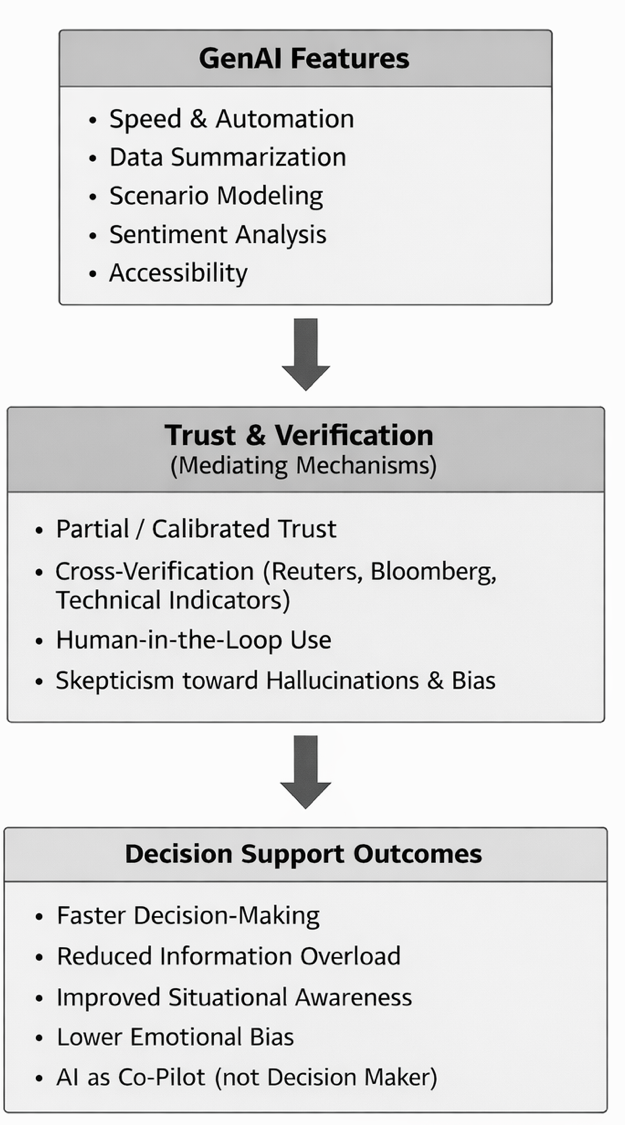
Figure 1. Conceptual framework of generative AI–enabled investment decision support.
Theoretical integration of generative ai–supported investment decisions
The findings of the study extend to current literature by positioning investor use of generative AI within recognised behavioural finance and human-AI interaction theories, rather than regarding AI adoption as a purely technical event. The findings indicate that generative AI functions as a cognitive amplifier, with its influence on decision-making mediated by trust calibration, verification behaviour, and social environment.
Herding behaviour and peer influence in ai-assisted investing
The findings indicate that investors typically contextualise AI-generated information through peer-to-peer platforms like Reddit, X (previously Twitter), and online investment communities. This behaviour is consistent with herding theory, which holds that individuals imitate the behaviour or views of others in uncertain situations, particularly in turbulent markets. Generative AI appears to exacerbate this trend by rapidly summarising current market narratives, reinforcing perceived agreement. According to UTAUT, social influence has a significant impact on how investors interpret and validate AI outputs, implying that AI does not replace but rather enhances collective judgment.
Overconfidence bias and ai-generated certainty
Several respondents reported higher confidence after interacting with AI-generated assessments, even when the outputs were probabilistically framed. This reflects over-confidence bias, in which investors overestimate the accuracy of their decisions, which may be amplified by generative AI's authoritative and eloquent language use. Unlike typical decision aids, generative AI generates coherent narratives that can offer the illusion of certainty, increase perceived usefulness while conceal underlying ambiguity. This research confirms behavioural finance worries that technological complexity might raise confidence without corresponding gains in accuracy, emphasizing the importance of trust calibration procedures.
Loss aversion and verification before acting
The tendency of investors to cross-check AI outputs before making transactions is consistent with loss aversion theory, which states that people value prospective losses more than similar rewards. Rather than implying distrust, verification practices represent a risk-management strategy focused at reducing downside exposure. In this sense, verification serves as a behavioural control, allowing investors to reap the benefits of AI-powered efficiency while being cautious about their decisions. This behaviour supports the thesis that AI adoption in finance is conditional and situational, influenced by perceived financial risk rather than technological enthusiasm alone.
Confirmation bias and selective trust in AI outputs
The findings also highlight instances of confirmation bias, in which investors accept AI outputs that match with their pre-existing ideas while rejecting contrary insights. The flexibility of generative AI allows users to encourage the system in ways that support their previous beliefs, thus confining rather than extending decision-making perspectives. This selective trust demonstrates a major drawback of generative AI in financial contexts: while it might improve information access, it can also reinforce cognitive biases if not applied with caution.
Trust calibration and the AI-as-co-pilot paradigm
Overall, these behavioural patterns lend support to trust calibration theory, which highlights the relationship between user trust and system capabilities. In this study, investors displayed calibrated trust, modifying their reliance based on task complexity, perceived risk, and external validation, rather than blind trust or outright rejection. This is consistent with the AI-as-copilot paradigm, in which generative AI acts as a supportive decision aid rather than an independent actor. By supplementing rather than replacing human judgment, generative AI allows investors to maintain accountability while maximizing computational efficiency. This framework balances the advantages of generative AI with the behavioural controls required in high-stakes financial decision-making.
Implications
Theoretical implications
This study advances the theoretical knowledge of how generative artificial intelligence (Generative AI) is affecting financial decision-making and investor behaviour. While most of the previous research has concentrated on the technical correctness of predictive algorithms, this study highlights the perspectives, decision-making processes, and human-AI interaction of individual investors who utilise generative AI products. Insights from this qualitative investigation have various significant theoretical ramifications for fields including behavioural finance, financial decision theory, augmented intelligence, and technology adoption. This study adds to and supports several well-established theoretical frameworks. By showing that perceived utility and usability continue to be crucial factors in generative AI adoption, it validates the technology acceptance model. Additionally, it incorporates the unified theory of acceptance and use of technology, which illustrates how hedonic motivation (curiosity), enabling factors (availability of ChatGPT), and social influence (peer recommendations) impact user engagement. The study adds to the notion of augmented intelligence by demonstrating that investors use generative AI as a decision-support tool rather than as a complete replacement.
Managerial implications
This study offers practical suggestions to developers, fintech companies, and financial advisers from a practical perspective. This study suggests that models should be created to provide an explanation for the generation of a certain forecast or insight. This research suggests adding generative AI products into existing platforms such as portfolio management software, mobile applications, and brokerage accounts. The long-term adoption of generative AI in financial decision-making as well as user pleasure and trust may be greatly increased by putting these strategies into practice. Generative AI is on the verge of becoming a crucial tool for investors. Its successful use, however, hinges on how effectively stakeholders handle the practical difficulties of responsibility, openness, context, and trust. This research emphasises that although Generative AI has the potential to meaningfully support financial analysis and decision-making, its actual effectiveness hinges on responsible design, user education, and smart deployment. To guarantee that generative AI becomes a helpful, moral, and enabling instrument in contemporary investment, all parties involved, users, developers, advisers, and regulators, must cooperate.
Conclusion
This study examined the new relationship between stock market forecasting and generative artificial intelligence, concentrating on how individual investors accept, apply, and view these tools while making investment decisions. This study demonstrates that the adoption of generative AI products is mostly driven by speed, automation, and accessibility. From creating what-if scenarios and portfolio recommendations to summarizing earnings reports and assessing sentiment, investors are using these tools increasingly. Generative AI is valued for its capacity to lessen the amount of information available, enhance the effectiveness of decision-making, and eliminate the emotional biases that frequently affect investment decisions. Significant worries, however, temper this rising excitement. This study revealed many important drawbacks, including a lack of context, hallucinations, trouble confirming results, and moral dilemmas including model bias and data privacy. Significantly, many investors indicated that they had only a limited amount of faith in generative AI outputs, preferring to confirm ideas using human judgment and conventional financial sources. Generative AI is positioned as a supplementary decision support tool rather than a substitute for human decision-making. The way that investors engage with intricate financial data might be augmented decision-making by generative AI. However, how well it can handle issues with explainability, trust, and responsible use will determine how successful it is in the stock market prediction scenario. Developing collaborative systems where human knowledge and generative intelligence complement each other to support quicker, more intelligent, and better-informed investment choices is the way of the future, not substituting computers for human intelligence.
Limitations and future research directions
This study has few limitations even if it provides insightful information about how generative artificial intelligence techniques are adopted, used, and perceived in the field of stock market prediction. The sample may not be entirely representative of the larger investor community, particularly institutional investors, financial analysts, or traders operating at scale, even though this qualitative technique offers in-depth knowledge. Future research should include quantitative techniques, such as surveys or usage analytics, to confirm the scope and statistical significance of user behaviour, trust levels, or performance results related to generative AI use. To objectively evaluate the frequency, trends, and efficacy of its adoption across a larger investor base, future research might use survey-based techniques or mixed-method approaches. The effects of cultural, legal, and regulatory environments on the adoption of generative AI in finance can be investigated in future research. Subsequent research endeavours may include generative AI into theories of behavioural finance, investigating its impact on investor heuristics, risk tolerance, loss aversion, and overconfidence.
About the author
Animesh Kumar Sharma is a Research Scholar at Mittal School of Business, Lovely Professional University, Phagwara, Punjab, India and working as Manager with Vatika Business Centres Private Limited, Gurugram, India. His research interests include digital marketing, social media marketing, search engine marketing, artificial intelligence, machine learning, data analytics and the applications of technology in business. He can be contacted at mr.animesh@gmail.com
Rahul Sharma is a professor of Marketing with over 14 years of experience in academia. He has a Ph.D. in Marketing and his research interests include consumer behaviour, business analytics, and digital marketing. He can be contacted at rahul.12234@lpu.co.in
References
Adeoye‐Olatunde, O. A., & Olenik, N. L. (2021). Research and scholarly methods: Semi‐structured interviews. Journal of the American College of Clinical Pharmacy, 4(10), 1358-1367. https://doi.org/10.1002/jac5.1441
Almasarwah, A., Al-Wreikat, A., Marei, Y., and Alsharari, N. (2024). AI's influence on corporate transparency and financial performance: a new era. International Journal of Behavioural Accounting and Finance, 7(3), 233-253. https://doi.org/10.1504/IJBAF.2024.143833
Alobaidy, M. A. A., and Saeed, S. Z. (2023). A comparative study of multi-layer perceptron and Jordan recurrent neural networks for signals classification in a robotic system. Journal Européen des Systèmes Automatisés, 56(4), 547. https://doi.org/10.18280/jesa.560404
Amershi, S., Weld, D., Vorvoreanu, M., Fourney, A., Nushi, B., Collisson, P., Suh, J., Iqbal, S., Bennett, P. N., Inkpen, K., Teevan, J., Kikin-Gil, R. and Horvitz, E. (2019, May). Guidelines for human-AI interaction. In Proceedings of the 2019 chi conference on human factors in computing systems (pp. 1-13). https://doi.org/10.1145/3290605.3300233
Amodei, D., Olah, C., Steinhardt, J., Christiano, P., Schulman, J., & Mané, D. (2016). Concrete problems in AI safety. arXiv preprint arXiv:1606.06565.
https://doi.org/10.48550/arXiv.1606.06565.
Bandi, A., Adapa, P. V. S. R., and Kuchi, Y. E. V. P. K. (2023). The power of generative ai: A review of requirements, models, input–output formats, evaluation metrics, and challenges. Future Internet, 15(8), 260. https://doi.org/10.3390/fi15080260
Bansal, G., Wu, T., Zhou, J., Fok, R., Nushi, B., Kamar, E., Ribeiro, M.T., and Weld, D. (2021, May). Does the whole exceed its parts? the effect of ai explanations on complementary team performance. In Proceedings of the 2021 CHI conference on human factors in computing systems (pp. 1-16). https://doi.org/10.1145/3411764.3445717
Bansal, I., Saxena, A., Kansal, I., Gupta, G., Kumar, A., & Sharma, K. (2025). A look at the recursive potential of generative artificial intelligence in the financial technology sector. In Navigating Data Science in the Age of AI: Exploring Possibilities of Generative Intelligence (pp. 83-103). Emerald Publishing Limited. https://doi.org/10.1108/978-1-83608-432-720251005
Bollerslev, T. (1986). Generalized autoregressive conditional heteroskedasticity. Journal of Econometrics, 31(3), 307-327. https://doi.org/10.1016/0304-4076(86)90063-1
Bollerslev, T. (1987). A conditionally heteroskedastic time series model for speculative prices and rates of return. The Review of Economics and Statistics, 69(3), 542-547. https://doi.org/10.2307/1925546
Bollerslev, T., & Mikkelsen, H. O. (1996). Modeling and pricing long memory in stock market volatility. SS Journal of Econometrics, 73(1), 151-184. https://doi.org/10.1016/0304-4076(95)01736-4
Bouasabah, M. (2024). A performance analysis of stochastic processes and machine learning algorithms in stock market prediction. Economies, 12(8), 194. https://doi.org/10.3390/economies12080194
Boute, R. N., Gijsbrechts, J., & Van Mieghem, J. A. (2021). Digital lean operations: smart automation and artificial intelligence in financial services. In Innovative Technology at the Interface of Finance and Operations: Volume I (pp. 175-188). Springer International Publishing. https://doi.org/10.1007/978-3-030-75729-8_6
Braun, V., & Clarke, V. (2006). Using thematic analysis in psychology. Qualitative research in psychology, 3(2), 77-101. https://doi.org/10.1191/1478088706qp063oa
Bruni Prenestino, F., Barbierato, E., & Gatti, A. (2025). Robust synthetic data generation for sequential financial models using hybrid variational autoencoder–Markov chain Monte Carlo architectures. Future Internet, 17(2), 95. https://doi.org/10.3390/fi17020095
Challa, K. (2024). Artificial intelligence and generative neural systems: creating smarter customer support models for digital financial services. Journal of Computational Analysis and Applications, 33(8).
Chandar, S. K. (2022). Convolutional neural network for stock trading using technical indicators. Automated Software Engineering, 29(1), 16. https://doi.org/10.1007/s10515-021-00303-z
Chhajer, P., Shah, M., & Kshirsagar, A. (2022). The applications of artificial neural networks, support vector machines, and long–short term memory for stock market prediction. Decision Analytics Journal, 2, 100015. https://doi.org/10.1016/j.dajour.2021.100015
Choi, P. M. S., Huang, S. H., & Wang, Q. (2025). Large language models in finance: an overview. Finance and Large Language Models, 1-26. https://doi.org/10.1007/978-981-96-5833-6_1
Chopra, R., & Sharma, G. D. (2021). Application of artificial intelligence in stock market forecasting: a critique, review, and research agenda. Journal of Risk and Financial Management, 14(11), 526. https://doi.org/10.3390/jrfm14110526
Dashtaki, S. M., Chagahi, M. H., Bahadori, A., Moshiri, B., Piran, M. J., & Montazeri, A. (2025). HSIF: a transformer-based cross-attention framework for cryptocurrency trend forecasting via multimodal sentiment–market fusion. IEEE Access. https://doi.org/10.1109/ACCESS.2025.3605522
Desiraju, K., & Khan, A. (2023). Enhancing customer support services in banking using Generative AI. In International Working Conference on Transfer and Diffusion of IT (pp. 288-295). IFIP WG 8.6 International Working Conference on Transfer and Diffusion of IT, TDIT 2023, Nagpur, India, December 15-16, 2023, Proceedings, Part II (IFIP Advances in Information and Communication Technology, Vol. 698). Springer Nature Switzerland. https://doi.org/10.1007/978-3-031-50192-0_25
Dhakal, K. (2022). NVivo. Journal of the Medical Library Association: JMLA, 110(2), 270. https://doi.org/10.5195/jmla.2022.1271
Dietvorst, B. J., Simmons, J. P., & Massey, C. (2015). Algorithm aversion: people erroneously avoid algorithms after seeing them err. Journal of Experimental Psychology: General, 144(1), 114. http://dx.doi.org/10.1037/xge0000033
Dubey, S. S., Astvansh, V., & Kopalle, P. K. (2025). Generative AI solutions to empower financial firms. Journal of Public Policy and Marketing, 44(3), 411-435. https://doi.org/10.1177/07439156241311300
Erdem, O., Hassett, K., and Egriboyun, F. (2025). Hallucination in AI-generated financial literature reviews: evaluating bibliographic accuracy. International Journal of Data Science and Analytics, 20, 4501-4510. https://doi.org/10.1007/s41060-025-00731-0
Fanfarillo, A., Roozitalab, B., Hu, W., & Cervone, G. (2021). Probabilistic forecasting using deep generative models. GeoInformatica, 25(1), 127-147. https://doi.org/10.1007/s10707-020-00425-8
Gangwani, P., & Panthi, V. (2025). Leveraging multimodal data and deep learning for enhanced stock market prediction. In M. Kumar, G. Srivastava, A. K. Singh, & K. Dubey (Eds.), AI‐Based Advanced Optimization Techniques for Edge Computing, 93-127. Wiley. https://doi.org/10.1002/9781394287062.ch4
Gierczyk, M., Gromkowska-Melosik, A., Scott, S., & Parker, C. (2024). The snowball sampling strategy in the field of social sciences. Contexts and considerations. Przegląd Badań Edukacyjnych (Educational Studies Review), 43(2), 87-104. https://doi.org/10.12775/PBE.2023.029
Gupta, R., Tiwari, S., & Chaudhary, P. (2025). Generative AI techniques and models. In Generative AI: techniques, models and applications (Lecture Notes on Data Engineering and Communications Technologies, 241). Springer. (pp. 45-64). Springer Nature Switzerland. https://doi.org/10.1007/978-3-031-82062-5_3
Hosseini, S. A., Hosseini, S. A., & Houshmand, M. (2024). Variational autoencoder-based dimension reduction of Ichimoku features for improved financial market analysis. Franklin Open, 8, 100135. https://doi.org/10.1016/j.fraope.2024.100135
Huang, A. H., Wang, H., & Yang, Y. (2023). FinBERT: a large language model for extracting information from financial text. Contemporary Accounting Research, 40(2), 806-841. https://doi.org/10.1111/1911-3846.12832
Husband, G. (2020). Ethical data collection and recognizing the impact of semi-structured interviews on research respondents. Education Sciences, 10(8), 206. https://doi.org/10.3390/educsci10080206
Illa, P. K., Parvathala, B., & Sharma, A. K. (2022). Stock price prediction methodology using random forest algorithm and support vector machine. Materials Today: Proceedings, 56(4), 1776-1782. https://doi.org/10.1016/j.matpr.2021.10.460
Iqbal, A., Ahmed, E., Rahman, A., & Ontor, M. R. H. (2024). Enhancing fraud detection and anomaly detection in retail banking using generative AI and machine learning models. The American Journal of Engineering and Technology, 6(11), 78-91. https://doi.org/10.37547/tajet/Volume06Issue11-09
Jain, R., & Vanzara, R. (2023). Emerging trends in AI-based stock market prediction: a comprehensive and systematic review. Engineering Proceedings, 56(1), 254. https://doi.org/10.3390/ASEC2023-15965
Joshi, R. (2025). Human-in-the-koop AI in financial services: data engineering that enables judgment at scale. Journal of Computer Science and Technology Studies, 7(7), 228-236. https://doi.org/10.32996/jcsts.2025.7.7.22
Joshi, S. (2025). Review of gen AI models for financial risk management. International Journal of Scientific Research in Computer Science, Engineering and Information Technology, 11(1), 709-723. https://doi.org/10.32628/CSEIT2511114
Kallio, H., Pietilä, A. M., Johnson, M., & Kangasniemi, M. (2016). Systematic methodological review: developing a framework for a qualitative semi‐structured interview guide. Journal of Advanced Nursing, 72(12), 2954-2965. https://doi.org/10.1111/jan.13031
Kalu, F. A., & Bwalya, J. C. (2017). What makes qualitative research good research? An exploratory analysis of critical elements. International Journal of Social Science Research, 5(2), 43-56. https://doi.org/10.5296/ijssr.v5i2.10711
Kasztelnik, K., & Campbell, S. (2024). Revolutionizing financial health predictions: the integration of generative ai and advanced machine learning techniques. Journal of Applied Business and Economics, 26(6), https://doi.org/10.33423/jabe.v26i6.7434
Khalil, F., & Pipa, G. (2022). Is deep-learning and natural language processing transcending the financial forecasting? Investigation through lens of news analytic process. Computational Economics, 60(1), 147-171. https://doi.org/10.1007/s10614-021-10145-2
Kumar, T., Lalar, S., Garg, V., Sharma, P., & Mishra, R. D. (2025). Generative artificial intelligence (GAI) for accurate financial forecasting. In P. R. Chelliah, P. K. Dutta, A. Kumar, E. D. R. Santibanez Gonzalez, M. Mittal, & S. Gupta (Eds.), Generative Artificial Intelligence in Finance: Large Language Models, Interfaces, and Industry Use Cases to Transform Accounting and Finance Processes, 57-76. Wiley. https://doi.org/10.1002/9781394271078.ch4
Lee, D. K. C., Guan, C., Yu, Y., and Ding, Q. (2024). A comprehensive review of generative AI in finance. FinTech, 3(3), 460-478. https://doi.org/10.3390/fintech3030025
Lee, J., Stevens, N., & Han, S. C. (2025). Large language models in finance (finllms). Neural Computing and Applications, 37, 24853–24867. https://doi.org/10.1007/s00521-024-10495-6
Lin, C. Y., & Marques, J. A. L. (2024). Stock market prediction using artificial intelligence: A systematic review of systematic reviews. Social Sciences and Humanities Open, 9, 100864. https://doi.org/10.1016/j.ssaho.2024.100864
Logg, J. M., Minson, J. A., & Moore, D. A. (2019). Algorithm appreciation: people prefer algorithmic to human judgment. Organizational Behavior and Human Decision Processes, 151, 90-103. https://doi.org/10.1016/j.obhdp.2018.12.005
McClellan, M. (2025). AI and financial fragility: a framework for measuring systemic risk in deployment of generative AI for stock price predictions. Journal of Risk and Financial Management, 18(9), 475. https://doi.org/10.3390/jrfm18090475
Mukherjee, S., Sadhukhan, B., Sarkar, N., Roy, D., & De, S. (2023). Stock market prediction using deep learning algorithms. CAAI Transactions on Intelligence Technology, 8(1), 82-94. https://doi.org/10.1049/cit2.12059
Oliffe, J. L., Kelly, M. T., Gonzalez Montaner, G., & Yu Ko, W. F. (2021). Zoom interviews: benefits and concessions. International Journal of Qualitative Methods, 20, 16094069211053522. https://doi.org/10.1177/16094069211053522
Ooi, K. B., Tan, G. W. H., Al-Emran, M., Al-Sharafi, M. A., Capatina, A., Chakraborty, A., Dwivedi, Y.K., Huang, T. L., Kar, A. K., Lee, V. H., Loh, X. M., Mic, A., Mikalef, P., Mogaji, E., Pandey, N., Raman, R., Rana, N. P., Sarker, P., Sharma, A., Teng, C. I., Wamba, S. F. & Wong, L. W. (2025). The potential of generative artificial intelligence across disciplines: perspectives and future directions. Journal of Computer Information Systems, 65(1), 76-107. https://doi.org/10.1080/08874417.2023.2261010
Oruh, J., Viriri, S., & Adegun, A. (2022). Long short-term memory recurrent neural network for automatic speech recognition. IEEE Access, 10, 30069-30079. https://doi.org/10.1109/ACCESS.2022.3159339
Padmavathy, M. (2024). Behavioral finance and stock market anomalies: Exploring psychological factors influencing investment decisions. Shanlax International Journal of Management, 11(S1), 191-97. https://doi.org/10.34293/management.v11iiS1-Jan.7164
Parasuraman, R., & Riley, V. (1997). Humans and automation: Use, misuse, disuse, abuse. Human factors, 39(2), 230-253. https://doi.org/10.1518/001872097778543886
Popkova, E. G., & Parakhina, V. N. (2018, April). Managing the global financial system on the basis of artificial intelligence: possibilities and limitations. In E. Popkova (Ed.), “The future of the Global Financial System: Downfall of Harmony” ISC 2018, Bratislava, Slovakia (Lecture Notes in Networks and Systems, Vol. 57, pp. 100). Springer International Publishing. https://doi.org/10.1007/978-3-030-00102-5_100
Ramzan, F., Sartori, C., Consoli, S., & Reforgiato Recupero, D. (2024). Generative adversarial networks for synthetic data generation in finance: evaluating statistical similarities and quality assessment. AI, 5(2), 667-685. https://doi.org/10.3390/ai5020035
Romeo, G., & Conti, D. (2025). Exploring automation bias in human–AI collaboration: a review and implications for explainable AI. AI & SOCIETY, 1-20. https://doi.org/10.1007/s00146-025-02422-7
Sai, S., Arunakar, K., Chamola, V., Hussain, A., Bisht, P., & Kumar, S. (2025). Generative AI for finance: applications, case studies and challenges. Expert Systems, 42(3), e70018. https://doi.org/10.1111/exsy.70018
Sattar, M. A., Toseef, M., & Sattar, M. F. (2020). Behavioral finance biases in investment decision making. International Journal of Accounting, Finance and Risk Management, 5(2), 69. https://doi.org/10.11648/j.ijafrm.20200502.11
Sharaff, A., Chowdhury, T. R., & Bhandarkar, S. (2023). Lstm based sentiment analysis of financial news. SN Computer Science, 4(5), 584. https://doi.org/10.1007/s42979-023-02018-2
Shin, D. (2021). The effects of explainability and causability on perception, trust, and acceptance: Implications for explainable AI. International Journal of Human-Computer Studies, 146, 102551. https://doi.org/10.1016/j.ijhcs.2020.102551
Shivalini, M. S., Gandra, P. K., Alamuri, S., & Gupta, S. S. (2024). Transforming financial market prediction through generative AI-powered data management. 2024 4th International Conference on Innovative Sustainable Computational Technologies (CISCT) (pp. 1-6). IEEE. https://doi.org/10.1109/CISCT62494.2024.11134255
Sims, C. A. (1987). [Vector autoregressions and reality]: Comment. Journal of Business and Economic Statistics, 5(4), 443-449. https://doi.org/10.2307/1391993
Singh, R., Bansal, R., & Niranjanamurthy, M. (2023). Use and application of artificial intelligence in accounting and finance: benefits and challenges. es. In M. Niranjanamurthy, K. Sheoran, G. Dhand, & P. Kaur (Eds.), Data Wrangling: Concepts, Applications and Tools, 251-274. Wiley. https://doi.org/10.1002/9781119879862.ch12
Teo, T. W., Liew, S. Y., Chng, C. H., Ng, J. Y., & Khoo, Z. Z. (2024, September). GPT-4 Powered Virtual Analyst for Fundamental Stock Investment by Leveraging Qualitative Data. In 2024 5th International Conference on Artificial Intelligence and Data Sciences (AiDAS), Bangkok, Thailand,(pp. 304-309). https://doi.org/10.1109/AiDAS63860.2024.10730589
Thakkar, A., & Chaudhari, K. (2021). A comprehensive survey on deep neural networks for stock market: The need, challenges, and future directions. Expert Systems with Applications, 177, 114800. https://doi.org/10.1016/j.eswa.2021.114800
Thapa, S., Shiwakoti, S., Shah, S. B., Adhikari, S., Veeramani, H., Nasim, M., & Naseem, U. (2025). Large language models (llm) in computational social science: prospects, current state, and challenges. Social Network Analysis and Mining, 15(1), 1-30. https://doi.org/10.1007/s13278-025-01428-9
Vargas, M. R., De Lima, B. S., & Evsukoff, A. G. (2017,). Deep learning for stock market prediction from financial news articles. In 2017 IEEE international conference on computational intelligence and virtual environments for measurement systems and applications (CIVEMSA), Annecy, France, (pp. 60-65). https://doi.org/10.1109/CIVEMSA.2017.7995302
Venkatarathnam, N., Goranta, L. R., Kiran, P. C., Raju, B. P. G., Dilli, S., Basha, S. M., & Kethan, M. (2024). An empirical study on implementation of AI and ML in stock market prediction. Indian Journal of Information Sources and Services, 14(4), 165-174. https://doi.org/10.51983/ijiss-2024.14.4.26
Venkatesh, V., Morris, M. G., Davis, G. B., & Davis, F. D. (2003). User acceptance of information technology: Toward a unified view. MIS Quarterly, 425-478. https://doi.org/10.2307/30036540
Vuletić, M., Prenzel, F., & Cucuringu, M. (2024). Fin-gan: forecasting and classifying financial time series via generative adversarial networks. Quantitative Finance, 24(2), 175-199. https://doi.org/10.1080/14697688.2023.2299466
Vullam, N., Yakubreddy, K., Vellela, S. S., Sk, K. B., Reddy, V., & Priya, S. S. (2023) Prediction and analysis using a hybrid model for stock market. In 2023 3rd International Conference on Intelligent Technologies (CONIT) Hubli, India, (pp. 1-5). IEEE. https://doi.org/10.1109/CONIT59222.2023.10205638
Weidinger, L., Uesato, J., Rauh, M., Griffin, C., Huang, P. S., Mellor, J., Glaese, A., Cheng, M., Balle, B., Kasirzadeh, A., Biles, C., Brown, S., Kenton, Z., Hawkins, W., Stepleton, T., Birhane, A., Hendricks, L. A., Rimell, L., Isaac, W., Haas, J., Legassick, S., Irving, G. & Gabriel, I. (2022,). Taxonomy of risks posed by language models. In Proceedings of the 2022 ACM conference on fairness, accountability, and transparency (pp. 214-229). ACM. https://doi.org/10.1145/3531146.3533088
Zhang, D., Ma, M., & Xia, L. (2022). A comprehensive review on GANs for time-series signals. Neural Computing and Applications, 34(5), 3551-3571. https://doi.org/10.1007/s00521-022-06888-0
Zhou, Q., & Sheu, J. B. (2025). The use of generative artificial intelligence (Generative AI) in operations research: review and future research agenda. Journal of the Operational Research Society, 1-21. https://doi.org/10.1080/01605682.2025.2561762
Zhou, Q., & Sheu, J. B. (2025). The use of Generative Artificial Intelligence (Generative AI) in operations research: Review and future research agenda. Journal of the Operational Research Society, 1-21. https://doi.org/10.1080/01605682.2025.2561762
Zhou, Y., Li, Y., Wang, D., & Liu, Y. (2023). A multi-step ahead global solar radiation prediction method using an attention-based transformer model with an interpretable mechanism. International Journal of Hydrogen Energy, 48(40), 15317-15330. https://doi.org/10.1016/j.ijhydene.2023.01.068
Copyright
Authors contributing to Information Research agree to publish their articles under a Creative Commons CC BY-NC 4.0 license, which gives third parties the right to copy and redistribute the material in any medium or format. It also gives third parties the right to remix, transform and build upon the material for any purpose, except commercial, on the condition that clear acknowledgment is given to the author(s) of the work, that a link to the license is provided and that it is made clear if changes have been made to the work. This must be done in a reasonable manner, and must not imply that the licensor endorses the use of the work by third parties. The author(s) retain copyright to the work. You can also read more at: https://publicera.kb.se/ir/openaccess
Appendix – interview questions
1. Can you describe your investment background and how long you have been using generative AI tools for stock market predictions?
2. What types of generative AI platforms or models do you use, and what motivated you to adopt them?
3. How do you typically incorporate generative AI into your stock analysis and decision-making process?
4. Can you share a recent example where generative AI significantly influenced one of your investment decisions?
5. What kinds of financial or market information do you rely on generative AI to help interpret or analyse?
6. How valuable do you find AI-generated summaries of earnings calls, analyst reports, or financial news?
7. What are the main benefits and challenges you have experienced when using generative AI for stock predictions?
8. How do you verify or cross-check AI-generated insights before acting on them?
9. To what extent do you trust AI outputs, and do you have any ethical or privacy concerns related to using these tools?
10. How do you envision generative AI evolving in retail investing, and what improvements would you like to see in these tools?