
Information Research
Vol. 31 No. 2 2026
Modelling user trust in chatbots: the role of anthropomorphic cues and social responses in information services
DOI: https://doi.org/10.47989/ir31261439
Abstract
Introduction. Chatbots, as an emerging form of information technology, are increasingly integrated into information services worldwide, yet how their anthropomorphic design features shape users’ psychosocial responses remains underexplored. This study builds on the Computers Are Social Actors (CASA) paradigm and examines the effects of chatbots’ anthropomorphic cues on users’ perceived social presence, parasocial interaction, and trust in chatbots.
Method. A between-subjects experiment was conducted with 195 participants randomly assigned to interact with either a human-like or a machine-like chatbot.
Analysis. The data were analysed using SPSS and AMOS. The main analyses included reliability and validity testing, descriptive and correlation analyses, and mediation analysis conducted with the PROCESS macro.
Results. Participants in the human-like chatbot group reported higher levels of social presence. Anthropomorphism significantly affected social presence, which in turn indirectly contributed to trust. Social presence served as a key mediator linking anthropomorphism to trust, whereas parasocial interaction did not demonstrate a significant effect.
Conclusion. These findings extend the applicability of the CASA paradigm in human-AI interaction and offer implications for improving user experience, optimising chatbot effectiveness, and guiding human-centred information system design. This study also underscores the importance of fostering responsible and ethical use of chatbot technologies.
Introduction
Artificial intelligence (AI) is evolving from ‘computing like human intelligence’ to ‘thinking like human intelligence’, and it is increasingly regarded as an information technology that could augment or even replace human functions in various domains (Choi & Noh, 2022; Kang & Kim, 2022). Among the most notable applications of AI in mimicking human cognition and interaction are chatbots. Initially, chatbots were simple rule-based systems designed to process pre-programmed responses. However, with the landmark achievement of AlphaGo in 2016, AI technology made significant strides in conversational applications. By 2020, advanced AI-based chatbots such as Lee Luda, which utilise natural language processing, began to emerge. The release of ChatGPT in 2022 marked a breakthrough in conversational AI, capturing worldwide attention. In recent years, chatbots have been defined as natural language-based computer programmes designed to closely simulate human dialogue in digital interactions (Thomaz et al., 2020). This evolution has expanded the applicability of chatbots to customer service, healthcare, insurance, education, e-commerce, finance, and human resource management. According to the global market research firm IMARC Group (2023), the chatbot market is valued at $5.7 billion and is projected to grow at an annual rate of 21.5% from 2024 to 2032. Despite this growth, user experiences with chatbots remain mixed. A survey by the location marketing platform Uberall showed that while 80% of respondents reported positive experiences interacting with chatbots, nearly 60% still expressed concerns about their accuracy and a preference for more natural, human-like conversations. Therefore, the core question of this study is: How can the acceptance of chatbot technologies be improved?
Anthropomorphism is an important factor in the design and user experience of chatbots. When no real person is present, individuals specifically look for human-like attributes during interactions (Epley et al., 2007). Anthropomorphism involves the use of human-like cues, such as voice, agents’ faces, language style, and personality (Kim & Sundar, 2012). It is also common to assign social characteristics to chatbots, including names, age, gender, or occupation (Choi & Noh, 2022). These anthropomorphic cues transform chatbots from machines that merely mimic human conversations into humanoid robots or social actors capable of engaging in meaningful interactions and responding autonomously. Discussions about human-machine social interaction have already been addressed in the Computers Are Social Actors (CASA) paradigm proposed by Reeves and Nass in 1996. Humans unconsciously treat computers or other forms of technology as though they possess human-like qualities and tend to apply the same social rules and behaviours they use in human-to-human interactions when engaging with computers and other digital media, responding to them socially (Reeves & Nass, 1996). Anthropomorphism of machines is regarded as an important social cue. Human users tend to respond by applying social rules to these information technologies. Humanising technology through anthropomorphic cues can promote social responses towards technology and lead to positive effects (Kang & Kim, 2022).
Trust is widely regarded as one of the most important positive outcomes and an important driving force behind users’ acceptance of new technologies (Nordheim et al., 2019; Choudhury & Shamszare, 2023). Existing research suggests that low acceptance of chatbots is often associated with low levels of trust and weak relational norms between humans and chatbots (Cheng et al., 2022). With further technological development, particularly the increasing chatbot anthropomorphism, relationships between humans and AI tend to be more social rather than merely functional (Seymour & van Kleek, 2021). As a result, users may apply more interpersonal social norms in their interactions with anthropomorphic chatbots and may also develop higher levels of trust. However, these user outcomes remain fundamentally one-sided. They are controlled by users and perceived entirely from the user’s perspective. Few studies have systematically examined users’ perceived, pseudo-bidirectional social responses toward chatbots or clarified the role such responses play in shaping user outcomes. Moreover, although anthropomorphism has been associated with trust in prior research, how this influence takes shape remains unclear, and existing findings appear somewhat scattered. Accordingly, this study investigates whether anthropomorphic cues influence trust directly or indirectly, and whether specific user social responses are involved in mediating this relationship.
Drawing on the CASA paradigm, which conceptualises computers as social actors, we develop a framework to examine how chatbot anthropomorphism shapes users’ social responses. An important contribution of this study is the systematic mapping of social cues (e.g. anthropomorphism) to distinct social responses (e.g. social presence, parasocial interaction, and trust), providing greater operational clarity to the CASA paradigm in chatbot contexts. Although previous studies have examined several commonly reported direct effects, primarily focusing on isolated pairwise relationships among these variables, including anthropomorphism and trust (Chen & Park, 2021), anthropomorphism and parasocial interaction (Tsai et al., 2021), and social presence and parasocial interaction (Choi & Noh, 2022), they have rarely been examined together in a sequential manner. Moreover, little empirical work has examined the relationship between parasocial interaction and trust in chatbot contexts. This study develops an integrative theoretical model that specifies the indirect pathways, thereby advancing understanding of the psychosocial mechanisms linking anthropomorphic design of chatbots to trust. It is expected to inform human-centred design in chatbot-based information services and offer insights relevant to user experience and chatbot acceptance.
Literature review
Computers are social actors paradigm
Interaction and communication between humans and machines, including robots, computers, smart devices, and virtual assistants, have recently become topics of growing academic interest. In the 1990s, Reeves and Nass (1996) suggested that humans can engage in fundamentally social and natural interactions with computers, television, and new media, a concept which later evolved into the media equation theory. This theory argues that individuals acquire specific social interaction rules through socialisation processes such as interpersonal interaction, and that they apply these rules in their interactions with other social entities to maintain their social image and establish self-identity (Reeves & Nass, 1996). One of the important findings derived from this theory is the CASA paradigm, which proposes that when people detect various social cues from computers, they perceive the computer as a real person (a social actor), unconsciously applying certain social rules of human communication in human–computer interactions, leading to social responses such as trust and affection (Reeves & Nass, 1996). With recent technological advancements and the emergence of next-generation AI technologies, including computers, chatbots, and virtual assistants, the CASA paradigm has been widely applied in studies of human–computer interaction.
Social cues and social responses are key components of the CASA paradigm. Reeves and Nass (1996) identified eight social cues across language, interaction, social role, voice and facial expression, emotion, concentration, and proactivity. These social cues are human-like characteristics, and the use of human-like agents can effectively prompt users to attribute human-like traits to computers, making them more susceptible to the social influence of computers (Nowak & Rauh, 2005). Additionally, social responses often involve affective attachment and bonding with robots, the ontological perception of robots as social actors, and the application of complex social rules in human–robot interactions (Lee et al., 2005). The CASA paradigm thus serves as a foundational theoretical framework for research exploring the anthropomorphism of computers, robots, and AI.
Social cues of chatbots
Anthropomorphism
In the CASA paradigm, the ‘human-likeness’ of machines plays an important role, which scholars conceptualise as anthropomorphism (Kim & Sundar, 2012). Anthropomorphism is defined as the attribution of human-like characteristics, motivations, intentions, emotions, and behaviours to non-human entities (Epley et al., 2007). Anthropomorphism is regarded as a basic psychological process of inductive inference that can facilitate social human–non-human interactions (Blut et al., 2021). In the human–machine communication context, researchers have examined the varying levels of anthropomorphism in machines and how these influence the social responses humans display towards them (Kim & Sundar, 2012).
Previous studies have primarily focused on the factors and effects of anthropomorphism in human–computer interactions. For example, Blut et al. (2021) identified user characteristics and tendencies (e.g. technological anxiety), demographic characteristics (e.g. age, gender), and robot design characteristics as influential factors through meta-analysis. They also identified robot characteristics (e.g. intelligence, social presence) and functional characteristics (e.g. harmony) as moderators. Chaves and Gerosa (2021) proposed anthropomorphic characteristics of chatbots, such as personalisation, identity, and personality, suggesting that such characteristics can enhance human relationships, increase human–chatbot similarity, and strengthen user engagement and trust. On the other hand, anthropomorphism does not always increase users’ intentions to use chatbots and, in some cases, can even have negative effects. Some studies have found that people prefer less human-like robots or explicitly machine-like robots. Excessive anthropomorphism can lead to the ‘uncanny valley’ effect, making users feel uncomfortable and reducing their sense of intimacy with chatbots (Minato et al., 2005). This highlights the need to carefully balance anthropomorphic cues in chatbot design.
Social responses of users
Social presence
The concept of social presence was first introduced as a psychological communication term referring to the degree of salience of a social actor in social interactions (Short et al., 1976). Biocca (1997) defined social presence as the subjective perception of an individual that another person or entity is real and present. Social presence is often used to demonstrate how real a person is perceived to be in communication, which can depend on the social cues provided by the communicators and the manner in which they are conveyed (Gunawardena, 1995). In general, human-like attributes can evoke a sense of social presence even when no real person is present (van Doorn et al., 2017). In human–machine communication environments, humans can perceive a degree of social presence when interacting with computers and other technological artefacts (Nowak & Biocca, 2003; Schultze & Brooks, 2019). It has been argued that when people feel that the mediated partner with whom they communicate through a computer is a real person, they experience a sense of being present with the other person in the network (i.e. social presence) (Kreijns et al., 2004). Therefore, social presence can be regarded as a significant social response.
Social presence is influenced by various factors, including media structure, content, and user characteristics. Oh et al. (2018) found that factors such as technological characteristics (e.g. interactivity), contextual characteristics (e.g. physical proximity), and individual characteristics (e.g. gender) contribute to the experience of social presence. Social presence plays an important role in shaping users’ attitudes, evaluations, and subsequent social responses towards technology (Lee et al., 2005). Hassanein and Head (2007) found that a stronger sense of social presence in online shopping environments leads to higher perceived trust, usefulness, and enjoyment, ultimately resulting in more favourable attitudes towards the shopping site. Kim et al. (2013) observed that social presence positively correlates with users’ evaluations of robots’ intelligence, attractiveness, and enjoyment of interactions. Collectively, these findings highlight the crucial role of social presence in shaping user perceptions and interactions with technology, reinforcing its significance across diverse digital contexts.
Parasocial interaction
Prior research suggests that perceived anthropomorphism and salience of social actors may influence subsequent social interactions (Kim & Sundar, 2012; Lee, 2005). Human-machine social interaction tend to resemble parasocial interactions (PSI), which are inherently one-sided. Parasocial interaction, first defined by Horton and Wohl (1956), refers to an illusory mediated experience in which media users engage with media personae as if they were involved in real and reciprocal interaction, despite its one-sided nature. Perse and Rubin (1989) expanded this concept to include intimate perceptions of media characters, akin to real-life friends. With advancements in technology, the academic study of parasocial interaction has entered new territory, being used to describe interactions between humans and non-human machines such as avatars, recommender systems, and robots (Konijn et al., 2008). Within the CASA paradigm, Tsai et al. (2021) redefined parasocial interaction as users’ perceived interpersonal involvement with a media character, including chatbots, through mediated communication. Compared with earlier one-way, asynchronous communication environments, users are now more likely to perceive chatbots as resembling real people and to develop greater trust in them. These forms of user engagement and perception can be understood as social responses from individuals.
Previous studies exploring the antecedents of parasocial interaction have frequently identified factors such as trustworthiness (Uzunoğlu & Kip, 2014), attractiveness (Rubin & Step, 2000), expertise (Djafarova & Trofimenko, 2018), and authenticity (Labrecque et al., 2011), among others. In digital environments, the anthropomorphism and social presence associated with non-human agents have emerged as important factors (Banks & Bowman, 2016; Choi & Noh, 2022). Regarding the outcomes of PSI, factors such as users’ identity, lifestyle, attitudes, behaviours (Tian & Hoffner, 2010), and message acceptance have frequently been discussed.
Trust
Trust is considered a fundamental mechanism for building and maintaining relationships and plays an important role in human–machine communication (Li et al., 2006). Within the CASA paradigm, trust represents a stronger social response from users and indicates a higher level of social interaction (Chen & Park, 2021). Trust is defined as the willingness of one person to be vulnerable to another’s actions, based on the expectation that the other will perform actions that are important to the first person, despite the lack of direct control over them (Mayer et al., 1995). In the context of AI, trust refers to the belief that an AI system’s services and reported results are reliable. Trust in chatbots is defined as users’ subjective belief that a chatbot possesses knowledge, expertise, benevolence, and honesty (Beldad et al., 2016).
Trust is commonly associated with factors such as anthropomorphism (Xu & Jiang, 2025) and is often used to assess users’ perceptions of robots. Bickmore and Picard (2005) found that trust is higher for software agents that employ social cues such as politeness, social dialogue, and humour. Bergner et al. (2023) suggested that through conversation, humans and machines can form favourable and positive interactions, leading to increased trust. As affective computing advances, humans are likely to better understand robots’ emotions through human–robot interactions, thereby strengthening trust between humans and robots (Chiang et al., 2022).
The effect of chatbot anthropomorphism on users’ social responses
An increasing number of empirical studies have examined how anthropomorphic cues in chatbots and AI systems influence users’ psychosocial responses. For instance, anthropomorphic features have been shown to enhance emotional connection and foster trust in human–AI interaction (De Visser et al., 2016). Several studies have demonstrated that human-like cues increase users’ perception of social presence (Choi et al., 2022; Kang & Kim, 2022; Lee et al., 2015), which in turn can strengthen cognitive and emotional trust. Beyond social presence, anthropomorphism has also been associated with parasocial interaction. Choi & Noh (2022) found that anthropomorphic chatbots can stimulate parasocial responses, while robots with anthropomorphic features can provide a psychological sense of closeness, making it easier for users to engage in parasocial interactions (Dang & Liu, 2023; Peng et al., 2024). With regard to trust, prior work has revealed both direct and indirect pathways. Seymour and van Kleek (2021) pointed out that using anthropomorphic social cues in voice assistant development can directly improve trust in voice assistants. Chen and Park (2021) found that the anthropomorphism of intelligent personal assistants influences trust, although the effect may be mediated by perceived attractiveness. Konya-Baumbach et al. (2023) suggested that social presence also plays a mediating role. Based on these studies, it is expected that higher levels of chatbot anthropomorphism will lead to stronger social responses, such as greater social presence, more parasocial interaction, and increased trust. Accordingly, this study proposes the following hypothesis:
H1: Users of human-like chatbots will perceive (a) higher social presence, (b) higher levels of parasocial interaction, and (c) higher trust compared with users of machine-like chatbots.
Relationships among users’ social responses
In computer-mediated environments, trust is an important factor in the formation of human–machine relationships and can be used to measure human acceptance of chatbots (Hoff & Bashir, 2015). Among the key factors that influence trust, social presence has received increasing attention in recent research.
Users’ perceived social presence of chatbots reflects their evaluation of the technology’s social salience and plays an important role in shaping users’ social responses to technology (Kang & Kim, 2022). Prior studies have shown that chatbots perceived as socially present can increase trust (Munnukka et al., 2022), enhance engagement and satisfaction, and improve brand attitudes (Tsai et al., 2021). Similarly, Yen and Chiang (2021) demonstrated that chatbot abilities, anthropomorphism, informativeness, and social presence collectively influence trust and purchase intention.
Social presence, as a form of salience perception, can also influence subsequent human–machine social interactions (Kim & Sundar, 2012). Specifically, perceived social presence has been shown to positively affect users’ parasocial interaction with AI chatbots (Choi & Noh, 2022). In this context, parasocial interaction represents a subsequent relational and interactional outcome that extends beyond perceptual evaluations, characterised by users’ subjective engagement with chatbots. Evidence from avatar and celebrity studies further supports this relationship between social presence and parasocial interaction (Jin, 2010; Kim & Song, 2016).
Accordingly, when users perceive a chatbot as socially present, they are more likely to engage in parasocial interaction with it. At the same time, social presence directly enhances users’ trust in chatbots, as prior research has consistently shown. Therefore, this study proposes the following hypothesis:
H2: Users’ perceived social presence of chatbots will positively affect (a) their parasocial interaction with chatbots and (b) their trust in chatbots.
While parasocial interaction may be influenced by social presence (Rubin, 2009), it may also shape subsequent user outcomes. In chatbot research, parasocial interaction has been shown to increase user satisfaction and continuance intention (Youn & Jin, 2021; Lee & Park, 2022), as well as enhance consumer engagement (Tsai et al., 2021), suggesting its potential to generate positive responses. However, direct empirical evidence linking parasocial interaction to trust in chatbot contexts remains limited.
Research in related technological contexts suggests that parasocial interaction may contribute to trust formation. For example, Wasike (2025) found that parasocial interaction with social media influencers positively affected trust in news media. In mobile payment settings, Handarkho (2021) reported that parasocial interaction indirectly influenced users’ trust through perceived risk. Similarly, Chen et al. (2022) demonstrated that parasocial interaction indirectly enhanced consumer trust in online travel agencies through perceived credibility. Although these findings point to a potential link between parasocial interaction and trust, this relationship has yet to be examined in chatbot contexts. This study therefore proposes the following research question:
RQ1: Does parasocial interaction between users and chatbots affect users’ trust in chatbots?
Beyond direct effects, some studies suggest that the influence of chatbot anthropomorphism on user trust and related social responses may also operate through indirect psychosocial pathways (Tsai et al., 2021; Jin et al., 2021). One potential pathway involves social presence. Kim and Song (2016) found that social presence plays a mediating role in parasocial interaction contexts, facilitating user engagement. Konya-Baumbach et al. (2023) further suggested that perceived social presence may serve as an underlying mechanism linking anthropomorphic cues to user evaluations in service settings. Choi et al. (2001) also demonstrated that social presence mediated the effect of anthropomorphic agents on attitudes towards advertisements.
Parasocial interaction has also been identified as another potential mediating factor in human–AI communication (Rubin, 2009; Peng et al., 2024). For example, Stein et al. (2022) found that media personae significantly enhance users’ parasocial interactions, which in turn influence their experience with the medium. Lee and Park (2022) demonstrated that AI shopping chatbots can shape consumer evaluations through parasocial interaction. Xie et al. (2023) also showed that anthropomorphised visual cues enhance interaction between users and AI assistants, ultimately increasing user satisfaction and intention to use such services.
Taken together, existing studies provide conceptual support for the potential mediating roles of social presence and parasocial interaction in technology-mediated interactions. However, their indirect effects in the relationship between chatbot anthropomorphism and user trust have not been directly examined in chatbot contexts. Accordingly, this study examines these potential indirect pathways and proposes the following research questions:
RQ2: Does perceived social presence mediate the relationship between chatbot anthropomorphism and users’ trust?
RQ3: Does parasocial interaction mediate the relationship between chatbot anthropomorphism and users’ trust?
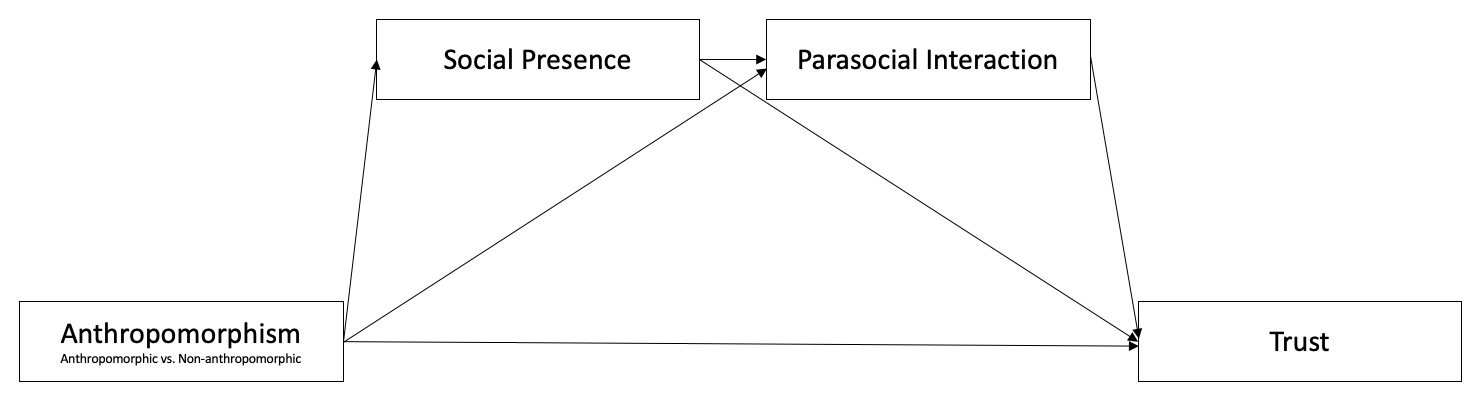
Figure 1. Research model of chatbot anthropomorphism on users’ social responses
Based on all the research hypotheses and questions, we propose a new conceptual model, as shown in Figure 1.
Method
Participants
This study targeted Chinese adults aged 19 years or older who had prior experience using chatbots. As China has experienced rapid growth in chatbot services across sectors such as customer service, healthcare, and consulting, the sample represents active users within the expanding field of emerging technologies. Participants were recruited via Credamo, a large online crowdsourcing platform in China that provides a diverse and pre-screened participant pool.
An a priori power analysis was conducted using G*Power 3.1 (Faul et al., 2009). Assuming a medium effect size (d = 0.50; α = 0.05; power = 0.90), the required total sample size was 172 (86 in each condition). A total of 203 participants were initially recruited to ensure sufficient statistical power.
The experiment took approximately 8–10 minutes to complete. Participants whose stimulus reading time or total completion time was excessively short, as well as those who submitted logically inconsistent, repeated, or incomplete responses or failed the screening questions (automatically filtered through Credamo’s screening system), were excluded. The final sample comprised 195 valid responses.
Each valid participant received a monetary reward of 3 RMB (approximately 0.50 USD) upon survey completion, in accordance with standard compensation practices on the platform and with IRB-approved procedures. This study was approved by the Institutional Review Board at the researchers’ university. Before participating in the experiment, each participant provided informed consent.
Among the participants, 75 were male (38.46%) and 120 were female (61.54%). The average age was 29.37 years (SD = 6.87), with 57.4% of participants aged between 25 and 34 years. Most participants held a bachelor’s degree (75.9%) and were employed in corporate settings (63.1%). Additionally, 45.6% of participants reported using chatbots frequently (three to five times per month), primarily for customer service (97.4%) and virtual assistant functions (87.7%).
Experimental design and procedure
This study employed a two-group, between-subjects design. The anthropomorphism of the chatbot was manipulated across two conditions: a human-like chatbot (anthropomorphic condition) and a machine-like chatbot (non-anthropomorphic condition).
Building upon prior scenario-based experimental designs (Li & Wang, 2023; Qi et al., 2025), this experiment used textual and visual stimuli to simulate a real-world information service context where users seek emotional support from a chatbot. Participants were first instructed to read a brief textual scenario asking them to imagine that they had recently experienced a period of low mood and sought anxiety relief from a chatbot on a website. This scenario reflects a common and natural use of chatbots in information and emotional-support services. Prior research suggests that understanding users’ emotions and responding accordingly is essential for effective human–machine communication and can enhance users’ sense of social presence, motivation, and engagement (Tan & Liew, 2022). The ability to recognise and respond to emotions is also regarded as an important feature of chatbot anthropomorphism (Bilquise et al., 2022). Compared with purely functional or task-oriented chatbot uses (Hussain et al., 2019), emotional-support contexts are more likely to encourage emotional reactions that align with the social responses described in the CASA paradigm. This scenario also enables participants to imagine the interaction in a realistic and immersive manner.
Two different images of a chatbot conversation were created using HTML, CSS, and JavaScript (refer to Appendix A). The stimuli primarily distinguished the degree of anthropomorphism in terms of visual and linguistic features. In the anthropomorphic condition (n = 97), the chatbot used a human-like avatar and provided warm, personalised introductions and responses (e.g. ‘Hello, I’m Xiaoyi. I’m happy to chat with you. No matter what problem or worry you have, I will do my best to help you. Don’t worry, these emotions are temporary. Have you tried doing something relaxing, like deep breathing or meditation?’). According to Tsai et al. (2021), emoji expressions were added to enhance anthropomorphic cues.
In the non-anthropomorphic condition (n = 98), the chatbot used a robotic avatar and provided brief, impersonal responses (e.g. ‘How can I help you?’ / ‘Emotional fluctuations are common. It is recommended to try relaxation techniques such as deep breathing or meditation.’). Participants were required to read the materials for at least one minute, to engage as fully as possible with the chatbot interaction, and then complete a self-report questionnaire.
Measurement
Anthropomorphism was operationalised as a categorical independent variable with two experimental conditions. The non-anthropomorphic condition was coded as 0, and the anthropomorphic condition was coded as 1. All other mediating and dependent variables were treated as continuous constructs and were measured using a seven-point Likert scale ranging from 1 (strongly disagree) to 7 (strongly agree). Table 1 presents the measurement items, sources, and reliability indicators for the key variables.
| Construct | Item | Source | Cronbach’s α | |
| Social Presence (SP) | SP1 | I felt like I was interacting with this chatbot. | Biocca et al. (2003); Lee et al. (2005) | 0.907 |
| SP2 | I felt like I was with this chatbot. | |||
| SP3 | I paid attention to this chatbot. | |||
| SP4 | I felt involved in something with this chatbot. | |||
| SP5 | I felt that this chatbot was responding to me. | |||
| SP6 | I felt like I and this chatbot were communicating with each other. | |||
| Parasocial Interaction (PSI) | PSI1 | This chatbot was aware of me. | Rubin and Step (2000); Dibble et al. (2016) | 0.902 |
| PSI2 | This chatbot knew I was there. | |||
| PSI3 | This chatbot knew I was aware of it. | |||
| PSI4 | This chatbot knew I paid attention to it. | |||
| PSI5 | This chatbot knew that I reacted to it. | |||
| Trust (TR) | TR1 | This chatbot is truthful. | Mayer et al. (1995); Cheng et al. (2022) | 0.859 |
| TR2 | This chatbot's behaviour and response can meet my expectations. | |||
| TR3 | I have faith in what this chatbot is telling me. | |||
| TR4 | I will trust the suggestions and decisions provided by this chatbot. | |||
| Note. SP = Social Presence, PSI = Parasocial Interaction, TR = Trust. This key is used in the same way in the following table. | ||||
Table 1. Measurement scales and reliability statistics
All English items were translated into Chinese. The translation and back-translation procedures were conducted by bilingual scholars who had obtained their doctorates from English-speaking countries, ensuring both linguistic accuracy and conceptual equivalence.
Reliability and validity of the measurements were examined. Each construct’s Cronbach’s α exceeded 0.70, indicating good internal reliability (Hair et al., 2010). The structural validity of the data met the required standards (see Table 2). Specifically, χ² = 172.719, df = 87, χ²/df = 1.985 < 3, p = 0.000, NFI = 0.920 > 0.9, IFI = 0.958 > 0.9, TLI = 0.949 > 0.9, CFI = 0.958 > 0.9, RMSEA = 0.071 < 0.08. Furthermore, all standardised factor loadings were above 0.70, the average variance extracted (AVE) values exceeded 0.50, and the composite reliability of each construct surpassed the benchmark of 0.70, confirming acceptable convergent validity (see Table 2). To assess discriminant validity, the square roots of the AVE values for each construct were compared with the inter-construct correlations reported in Table 3, and were found to be greater, providing evidence of satisfactory discriminant validity (Hair et al., 2010).
| Construct | Item | Factor Loading | S.E. | C.R. | Composite Reliability | AVE | ||||
| Social Presence | SP1 | 0.816 | - | 0.911 | 0.631 | |||||
| SP2 | 0.770 | 0.080 | 12.105 | |||||||
| SP3 | 0.757 | 0.090 | 11.912 | |||||||
| SP4 | 0.771 | 0.080 | 12.288 | |||||||
| SP5 | 0.786 | 0.066 | 12.691 | |||||||
| SP6 | 0.860 | 0.078 | 14.428 | |||||||
| Parasocial Interaction | PSI1 | 0.861 | - | 0.901 | 0.645 | |||||
| PSI2 | 0.836 | 0.063 | 14.775 | |||||||
| PSI3 | 0.794 | 0.072 | 13.489 | |||||||
| PSI4 | 0.786 | 0.070 | 13.141 | |||||||
| PSI5 | 0.733 | 0.073 | 11.766 | |||||||
| Trust | TR1 | 0.717 | - | 0.867 | 0.620 | |||||
| TR2 | 0.783 | 0.151 | 10.011 | |||||||
| TR3 | 0.810 | 0.116 | 10.637 | |||||||
| TR4 | 0.835 | 0.132 | 10.833 | |||||||
| Goodness of Fit | χ² = 172.719, df = 87, χ²/df = 1.985, p = 0.000, NFI = 0.920, IFI = 0.958, TLI = 0.949, CFI = 0.958, RMSEA = 0.071 | |||||||||
Table 2. Confirmatory factor analysis results for measurement model
| Mean | SD | SP | PSI | TR | |
| SP | 5.81 | 0.97 | 1 | ||
| PSI | 5.36 | 1.15 | 0.801** | 1 | |
| TR | 5.65 | 0.93 | 0.743** | 0.620** | 1 |
| Note. **. Correlation is significant at the 0.01 level (2-tailed). | |||||
Table 3. Descriptive statistics and correlations among social presence, parasocial interaction, and trust (n = 195)
Pre-experiment
Before conducting the formal experiment, a pre-test was carried out to ensure the effectiveness of the anthropomorphism manipulation. A total of 25 participants (15 female, 10 male; Mage = 32.60 years, SDage = 6.55) were recruited via the Credamo platform. Participants were randomly assigned to one of two conditions and asked to read the materials and complete the questionnaire as designed. Following Xu and Jiang (2025), perceived anthropomorphism was used as a manipulation check. It was measured using a six-item scale adapted from Yen and Chiang (2021) and Epley et al. (2007), rated on a seven-point Likert scale ranging from 1 (strongly disagree) to 7 (strongly agree). This measure was used solely as a manipulation check and was not included in the subsequent analyses. An independent-samples t-test revealed a statistically significant difference between the two conditions. Participants in the anthropomorphic condition reported significantly higher perceived anthropomorphism (M = 5.51) than those in the non-anthropomorphic condition (M = 4.42), t(22) = 2.17, p < 0.05. These results confirmed that the manipulation was effective and supported proceeding to the formal experiment.
Results
Manipulation check of the main experiment
The main experiment followed the same procedure as the pre-test. An independent-samples t-test showed that perceived anthropomorphism was significantly higher in the anthropomorphic condition (M = 5.49, SD = 0.98) than in the non-anthropomorphic condition (M = 4.80, SD = 1.40), t(193) = 16.14, p < 0.001, indicating that the manipulation remained effective.
Direct effects of chatbot anthropomorphism
The proposed research model was tested using Hayes’s PROCESS macro (Model 6) with 5,000 bootstrap samples and 95% confidence intervals (CIs) in SPSS. Anthropomorphism was specified as the independent variable, social presence and parasocial interaction as sequential mediators, and trust as the dependent variable. The direct effects among the key variables are reported below and illustrated in Figure 2.
The analysis revealed that chatbot anthropomorphism positively had a positive effect on social presence (b = 0.395, p = 0.004). Participants exposed to the anthropomorphic chatbot condition (M = 6.00, SD = 0.64) reported higher levels of social presence than those in the non-anthropomorphic condition (M = 5.61, SD = 1.19). These findings supported H1a. However, anthropomorphism did not significantly predict parasocial interaction or trust (both ps > 0.05), indicating no statistically significant differences between the anthropomorphic and non-anthropomorphic groups on these two variables. Therefore, H1b and H1c were rejected.
Furthermore, the direct effects of social presence on parasocial interaction and trust were examined. Social presence significantly predicted parasocial interaction (b = 0.962, p < 0.001) and trust (b = 0.643, p < 0.001). These results indicate that a stronger sense of social presence substantially enhanced both users’ parasocial interaction with the chatbot and their trust in it. Accordingly, H2a and H2b were supported.
Finally, the direct effect of parasocial interaction on trust was tested. The effect was not statistically significant (p > 0.05). These findings address RQ1 in the negative, as parasocial interaction did not significantly affect trust.
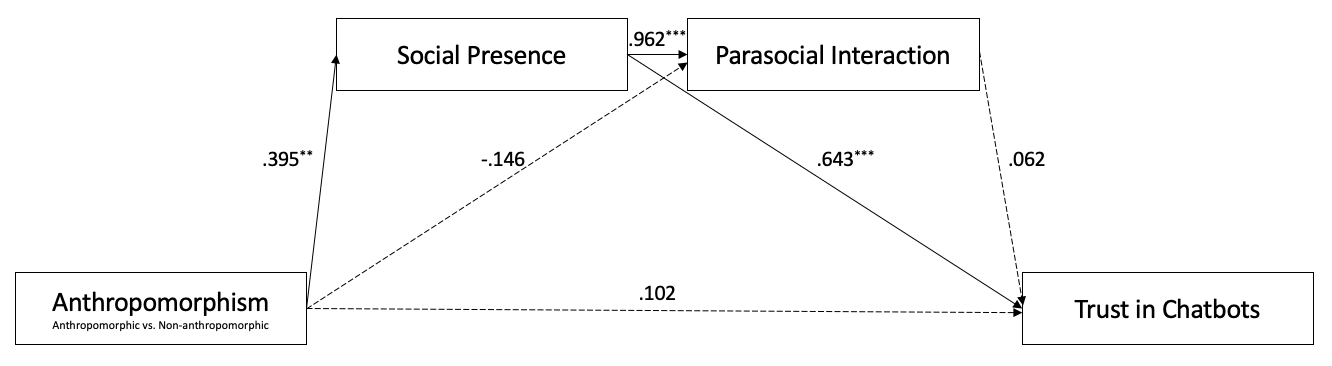
Note. Unstandardised coefficients (b) are reported. *p < 0.05,
**p < 0.01, ***p < 0.001
Figure 2. Results of the proposed research model
Indirect effects of chatbot anthropomorphism on users’ social responses
To further examine the mediating mechanisms, the indirect effects of anthropomorphism on trust through social presence and parasocial interaction were assessed using bias-corrected bootstrap confidence intervals.
As shown in Table 4, the indirect effect of anthropomorphism on trust through social presence was significant (indirect effect = 0.254; 95% CI [0.083, 0.462]). Because the confidence interval did not include zero, this finding indicates that anthropomorphic cues enhance users’ trust by increasing their perceived social presence, thereby providing support for RQ2.
In contrast, the indirect effect through parasocial interaction alone was not significant (indirect effect = -0.009; 95% CI [-0.059, 0.012]), as the confidence interval included zero. This result suggests that parasocial interaction did not serve as an independent mediator between anthropomorphism and trust. Accordingly, RQ3 was not supported, consistent with the non-significant direct effect of parasocial interaction on trust reported above.
Finally, the sequential indirect effect through social presence and parasocial interaction (Anthropomorphism → Social Presence → Parasocial Interaction → Trust) was not significant (indirect effect = 0.024; 95% CI [−0.044, 0.094]). Although anthropomorphism increased social presence, which was positively associated with parasocial interaction, the subsequent link from parasocial interaction to trust was insufficient to produce a statistically significant chain mediation effect.
| Path | Estimate (BootSE) | BootLLCI | BootULCI |
| AN → SP → TR | 0.254 (0.096) | 0.083 | 0.462 |
| AN → PSI → TR | -0.009 (0.018) | -0.059 | 0.012 |
| AN → SP → PSI → TR | 0.024 (0.034) | -0.044 | 0.094 |
| Note. 95% CIs with 5,000 bootstrap samples. | |||
Table 4. Indirect effects of anthropomorphism on trust in chatbots (n = 195)
Discussion
This study aims to explore how anthropomorphic cues in chatbots influence users’ social responses. In addition to examining several commonly reported direct effects, we innovatively investigated the indirect relationships among key variables. The proposed hypotheses and research questions were examined through a controlled experiment.
The results supported H1a, H2a, and H2b, as well as RQ2. Specifically, anthropomorphic chatbots significantly enhanced users’ perceived social presence, and this heightened social presence positively influenced both subsequent parasocial interaction and trust in chatbots. These findings are consistent with the CASA paradigm, which suggests that social cues can trigger social responses and lead to positive outcomes (Reeves & Nass, 1996). In our study, anthropomorphism functioned as an effective social cue, while social presence, parasocial interaction, and trust operated as meaningful social responses. Our findings also align with previous literature indicating that human-like cues, such as personalised language and emotive responses, can evoke a stronger sense of social presence (Biocca et al., 2003; Kang & Kim, 2022). More importantly, social presence fully mediates the effect of anthropomorphic cues on trust, highlighting its central role as the underlying psychosocial mechanism. Although the mediating role of social presence has been validated in contexts such as marketing services (Choi et al., 2001; Konya-Baumbach et al., 2023), this is the first study to empirically demonstrate this pathway in chatbot contexts.
However, H1b and H1c, as well as RQ1 and RQ3, were not supported. The non-significant findings primarily relate to parasocial interaction. First, we found that anthropomorphic cues did not directly increase users’ parasocial interaction. This may be related to the scenario-based experimental design used in this study. Because participants did not engage in real interaction, the sense of interpersonal involvement may have remained limited (Tsai et al., 2021). When parasocial interaction remains weak, its capacity to contribute to trust formation may be limited, leaving social presence as the dominant mediating mechanism. In addition, prior research suggests that trust may be influenced by other factors, such as the competence, credibility, and media richness of chatbots, as well as users’ perceived informativeness and playfulness (Yen & Chiang, 2021). Chen and Park (2021) further found that attractiveness mediates the relationship between anthropomorphism and trust. These alternative factors may help explain why parasocial interaction did not significantly predict trust.
Beyond these explanations, another possible account concerns the distinction between parasocial interaction and parasocial relationships. Parasocial interaction describes the immediate, in-the-moment experience of engaging with a media persona (Tukachinsky et al., 2020; Xie & Feng, 2023), whereas parasocial relationships represent an enduring and evolving bond with the persona that persists beyond individual instances of media use (Deng et al., 2022). Repeated parasocial interactions may gradually solidify into a parasocial relationship over time (Dibble et al., 2016). Nadroo et al. (2025) propose that the effect of parasocial interaction on trust is indirect, operating through parasocial relationships. Accordingly, trust may not arise from a single parasocial interaction but instead develop gradually through repeated interactions that foster a relational bond. Some empirical evidence has also confirmed the mediating role of parasocial relationships in linking parasocial interaction to trust-related outcomes. Future research should therefore consider this longitudinal dimension and examine whether prolonged or more personalised interactions can more effectively build trust through deeper relational development.
Theoretical implications
This study offers several theoretical implications.
First, it validates the applicability of the CASA paradigm (Reeves & Nass, 1996) in chatbot contexts. The findings demonstrate that anthropomorphic cues do influence users’ social responses, supporting the view that users respond to AI agents in socially meaningful ways. It extends the CASA paradigm by highlighting that chatbots are not merely functional tools but are increasingly perceived as socially interactive agents capable of human-like engagement.
Moreover, this study expands the application of social presence theory (Short et al., 1976) to human-AI interaction. In information and emotional-support chatbot contexts, we innovatively identify a mediating mechanism in which social presence plays an important role in shaping users’ emotional responses, functioning as a bridge between anthropomorphic design and user outcomes. This finding highlights the importance of designing AI interfaces that can fulfil users’ psychological needs for connection and companionship. This study extends existing literature and provides a clearer theoretical framework for future empirical research.
Finally, although the effect of parasocial interaction was not statistically significant, the construct itself still holds theoretical value. As a temporary and perceived sense of mutual interaction during use, parasocial interaction may represent an early stage in a longer process of trust development. Future research may further examine its longitudinal role in shaping trust over time.
Practical implications
From a psychosocial perspective, this study offers practical design implications for strengthening user trust in chatbots and, consequently, promoting their acceptance. In information and emotional-support service contexts, developers may incorporate human-like interactive features that enhance social presence, such as emotionally responsive communication, human-like avatars, and personalised messages. These design strategies can improve user experience and increase the effectiveness of human–AI interaction.
At the same time, while this study underscores the importance of trust in chatbots, it does not advocate blind or excessive trust in them. In high-stakes decision-making contexts, such as health-related queries, users should exercise caution when seeking advice from chatbots. They should remain aware of the technological limitations of AI systems and avoid treating chatbots as substitutes for medical professionals, thereby reducing the risks associated with overreliance (Ju et al., 2026).
For organisations, developing and deploying chatbots requires not only strengthening their credibility but also ensuring transparency. This involves clearly disclosing operational processes, information sources, guiding algorithms, and other relevant technical mechanisms, as well as providing explicit disclaimers regarding technological limitations (Choudhury & Shamszare, 2023). Organisations should prioritise delivering accurate and relevant information while minimising potential algorithmic bias.
For policymakers, establishing shared accountability mechanisms is essential to guide the responsible development and deployment of chatbots. Such regulatory frameworks can help prevent organisations from exploiting user trust or overstating system capabilities for commercial gain. Broader collaboration among stakeholders is also necessary to promote the safe and ethical use of chatbots, help users develop appropriate levels of trust, and ultimately contribute to positive outcomes in various domains.
Limitations and future research
While this study offers valuable insights, it also has several limitations.
First, the sample was skewed toward younger participants and included a relatively higher proportion of female respondents, which may introduce sampling bias. Given that social responses to anthropomorphic agents may vary across age and gender groups, future research should recruit more demographically diverse samples to enhance the generalisability of the findings.
Second, this study employed a scenario-based, one-shot experimental design using textual and visual stimuli without actual interactive engagement. Although this design ensured internal control, it may limit ecological validity and the ability to capture the dynamic development of trust over time. Real-world chatbot interactions often involve multimodal elements, such as voice, dynamic feedback, and extended conversational exchanges. Future research should consider field experiments and longitudinal designs to examine whether anthropomorphic cues produce similar trust effects in more naturalistic and sustained interaction contexts.
Third, the interaction scenario focused on information and emotional-support services, a context that may inherently activate stronger relational schemas and social expectations compared to more utilitarian or task-oriented environments (Bilquise et al., 2022). It remains unclear whether similar mechanisms operate in purely instrumental settings, such as customer service contexts. Future studies should explore whether the effects of anthropomorphic cues remain consistent across different usage contexts.
Fourth, the anthropomorphic chatbot was represented as a female character. Prior research suggests that agent gender can shape user perceptions and activate gender stereotypes or similarity–attraction effects (Eyssel & Hegel, 2012). Future research should explore the interaction between anthropomorphism and agent gender to better understand how gendered AI representations influence user engagement and trust.
Finally, this study primarily focused on the direct and indirect effects of anthropomorphism on trust, without considering other moderating or mediating factors. Future research should explore additional psychological, contextual, and technological variables, such as AI awareness, AI familiarity, prior chatbot experience, perceived system credibility, or interaction frequency to construct a more comprehensive model of trust in chatbots.
Conclusion
This study provides new insights into chatbot anthropomorphism and trust. We found that chatbots with anthropomorphic cues can evoke higher levels of social presence among users. Our results also challenge the existing assumption by showing that anthropomorphism does not directly influence trust; rather, its effect operates through social presence. In information and emotional-support chatbot contexts, social presence emerged as an important mediating variable, serving as a bridge between anthropomorphism and trust. These findings provide empirical support for the applicability of the CASA paradigm and social presence theory in chatbot contexts, highlighting the role of anthropomorphic cues and social presence in shaping users’ perceptions and interactions. We also discussed the potential of parasocial interaction despite its non-significant statistical effect, and suggest that this construct deserves further examination in future research. This study offers meaningful practical implications. Specifically, chatbot developers should integrate human-like cues that align with users’ social expectations and psychological needs, reflecting the principles of human-centred design in information services, to foster appropriate levels of trust and more effective human–AI interactions. At the same time, it is necessary to recognise the risks of excessive trust and promote more responsible and ethical use. Overall, these findings may help improve user experience, optimise chatbot effectiveness, and provide guidance for the development of related industries and applications.
About the authors
Jueming Li is a Ph.D. candidate in the Department of Media and Communication, Sungkyunkwan University, Seoul, South Korea. Her research interests include media psychology, journalism studies, human-AI interaction, and media effects, with a particular focus on the social influence of AI on humans. She can be contacted at jmlee0629@skku.edu
Sanghee Kweon is a Professor in the Department of Media and Communication, Sungkyunkwan University, Seoul, South Korea. He received his Ph.D. from Southern Illinois University Carbondale. His research interests include media storytelling (AI, AR, VR, and robots), digital media, cyber-communication, broadcasting media, and media text analysis. He can be contacted at skweon@skku.edu
References
Banks, J., & Bowman, N. D. (2016). Avatars are (sometimes) people too: Linguistic indicators of parasocial and social ties in player–avatar relationships. New Media & Society, 18(7), 1257–1276. https://doi.org/10.1177/1461444814554898
Beldad, A., Hegner, S., & Hoppen, J. (2016). The effect of virtual sales agent (VSA) gender–product gender congruence on product advice credibility, trust in VSA and online vendor, and purchase intention. Computers in Human Behavior, 60, 62–72. https://doi.org/10.1016/j.chb.2016.02.046
Bergner, A. S., Hildebrand, C., & Häubl, G. (2023). Machine talk: How verbal embodiment in conversational AI shapes consumer–brand relationships. Journal of Consumer Research, 50(4), 742–764. https://doi.org/10.1093/jcr/ucad014
Bickmore, T. W., & Picard, R. W. (2005). Establishing and maintaining long-term human–computer relationships. ACM Transactions on Computer–Human Interaction (TOCHI), 12(2), 293–327. https://doi.org/10.1145/1067860.1067867
Bilquise, G., Ibrahim, S., & Shaalan, K. (2022). Emotionally intelligent chatbots: A systematic literature review. Human Behavior and Emerging Technologies, 2022(1), 9601630. https://doi.org/10.1155/2022/9601630
Biocca, F. (1997). The cyborg’s dilemma: Progressive embodiment in virtual environments. Journal of Computer-Mediated Communication, 3(2), JCMC324. https://doi.org/10.1111/j.1083-6101.1997.tb00070.x
Biocca, F., Harms, C., & Burgoon, J. K. (2003). Toward a more robust theory and measure of social presence: Review and suggested criteria. Presence: Teleoperators & Virtual Environments, 12(5), 456–480. https://doi.org/10.1162/105474603322761270
Blut, M., Wang, C., Wünderlich, N. V., & Brock, C. (2021). Understanding anthropomorphism in service provision: A meta-analysis of physical robots, chatbots, and other AI. Journal of the Academy of Marketing Science, 49, 632–658. https://doi.org/10.1007/s11747-020-00762-y
Chaves, A. P., & Gerosa, M. A. (2021). How should my chatbot interact? A survey on social characteristics in human–chatbot interaction design. International Journal of Human–Computer Interaction, 37(8), 729–758. https://doi.org/10.1080/10447318.2020.1841438
Chen, Q. Q., & Park, H. J. (2021). How anthropomorphism affects trust in intelligent personal assistants. Industrial Management & Data Systems, 121(12), 2722–2737. https://doi.org/10.1108/imds-12-2020-0761
Chen, X., Hyun, S. S., & Lee, T. J. (2022). The effects of parasocial interaction, authenticity, and self‐congruity on the formation of consumer trust in online travel agencies. International Journal of Tourism Research, 24(4), 563-576. https://doi.org/10.1002/jtr.2522
Cheng, X., Zhang, X., Cohen, J., & Mou, J. (2022). Human vs. AI: Understanding the impact of anthropomorphism on consumer response to chatbots from the perspective of trust and relationship norms. Information Processing & Management, 59(3), 102940. https://doi.org/10.1016/j.ipm.2022.102940
Chiang, A. H., Trimi, S., & Lo, Y. J. (2022). Emotion and service quality of anthropomorphic robots. Technological Forecasting and Social Change, 177, 121550. https://doi.org/10.1016/j.techfore.2022.121550
Choi, Y. K., Miracle, G. E., & Biocca, F. (2001). The effects of anthropomorphic agents on advertising effectiveness and the mediating role of presence. Journal of Interactive Advertising, 2(1), 19–32. https://doi.org/10.1080/15252019.2001.10722055
Choi, B. M., Jang, S. J., & Kang, H. M. (2022). Effect of anthropomorphism level of digital human banker speech on user experience: Focusing on social presence, affinity, trust, perceived intelligence, and usefulness. The Journal of the Convergence on Culture Technology (JCCT), 8(4), 469–476. https://doi.org/10.17703/JCCT.2022.8.4.469
Choi, J. H., & Noh, G. Y. (2022). AI chatbot’s anthropomorphic effects on parasocial interaction with AI chatbot: The mediating effects of perceived homophily and social presence. The Korean Journal of Advertising and Public Relations, 24(4), 521–549. https://doi.org/10.16914/kjapr.2022.24.4.521
Choudhury, A., & Shamszare, H. (2023). Investigating the impact of user trust on the adoption and use of ChatGPT: survey analysis. Journal of Medical Internet Research, 25, e47184. https://doi.org/10.2196/47184
Dang, J., & Liu, L. (2023). Do lonely people seek robot companionship? A comparative examination of the loneliness–robot anthropomorphism link in the United States and China. Computers in Human Behavior, 141, 107637. https://doi.org/10.1016/j.chb.2022.107637
De Visser, E. J., Monfort, S. S., McKendrick, R., Smith, M. A., McKnight, P. E., Krueger, F., & Parasuraman, R. (2016). Almost human: Anthropomorphism increases trust resilience in cognitive agents. Journal of Experimental Psychology: Applied, 22(3), 331. https://doi.org/10.1037/xap0000092
Deng, Z., Benckendorff, P., & Wang, J. (2022). From interaction to relationship: Rethinking parasocial phenomena in travel live streaming. Tourism Management, 93, 104583. https://doi.org/10.1016/j.tourman.2022.104583
Dibble, J. L., Hartmann, T., & Rosaen, S. F. (2016). Parasocial interaction and parasocial relationship: Conceptual clarification and a critical assessment of measures. Human Communication Research, 42(1), 21–44. https://doi.org/10.1111/hcre.12063
Djafarova, E., & Rushworth, C. (2017). Exploring the credibility of online celebrities’ Instagram profiles in influencing the purchase decisions of young female users. Computers in Human Behavior, 68, 1–7. https://doi.org/10.1016/j.chb.2016.11.009
Epley, N., Waytz, A., & Cacioppo, J. T. (2007). On seeing human: A three-factor theory of anthropomorphism. Psychological Review, 114(4), 864. https://doi.org/10.1037/0033-295X.114.4.864
Eyssel, F., & Hegel, F. (2012). (S)he’s got the look: Gender stereotyping of robots. Journal of Applied Social Psychology, 42(9), 2213–2230. https://doi.org/10.1111/j.1559-1816.2012.00937.x
Faul, F., Erdfelder, E., Buchner, A., & Lang, A. G. (2009). Statistical power analyses using G* Power 3.1: Tests for correlation and regression analyses. Behavior research methods, 41(4), 1149-1160. https://doi.org/10.3758/BRM.41.4.1149
Gunawardena, C. N. (1995). Social presence theory and implications for interaction and collaborative learning in computer conferences. International Journal of Educational Telecommunications, 1(2), 147–166. https://doi.org/10.31274/etd-180810-507
Hair, J. F., Black, W. C., Babin, B. J., & Anderson, R. E. (Eds.). (2010). Multivariate data analysis. Pearson.
Handarkho, Y. D. (2021). Understanding mobile payment continuance usage in physical store through social impact theory and trust transfer. Asia Pacific Journal of Marketing and Logistics, 33(4), 1071-1087. https://doi.org/10.1108/APJML-01-2020-0018
Hassanein, K., & Head, M. (2007). Manipulating perceived social presence through the web interface and its impact on attitude towards online shopping. International Journal of Human–Computer Studies, 65(8), 689–708. https://doi.org/10.1016/j.ijhcs.2006.11.018
Hoff, K. A., & Bashir, M. (2015). Trust in automation: Integrating empirical evidence on factors that influence trust. Human Factors, 57(3), 407–434. https://doi.org/10.1177/0018720814547570
Horton, D., & Wohl, R. R. (1956). Mass communication and para-social interaction: Observations on intimacy at a distance. Psychiatry, 19(3), 215–229. https://doi.org/10.1007/978-3-658-09923-7_7
Hussain, S., Ameri Sianaki, O., & Ababneh, N. (2019). A survey on conversational agents/chatbots classification and design techniques. In Workshops of the International Conference on Advanced Information Networking and Applications (pp. 946–956). Springer. https://doi.org/10.1007/978-3-030-15035-8_93
iMarc Group. (2023). Chatbot market size, share, growth, report 2024–2032. iMarc Group. Retrieved from https://www.imarcgroup.com/chatbot-market
Jin, S. A. A. (2010). Parasocial interaction with an avatar in second life: A typology of the self and an empirical test of the mediating role of social presence. Presence, 19(4), 331-340. https://doi.org/10.1162/PRES_a_00001
Jin, S. V., Ryu, E., & Muqaddam, A. (2021). I trust what she’s# endorsing on Instagram: Moderating effects of parasocial interaction and social presence in fashion influencer marketing. Journal of Fashion Marketing and Management: An International Journal, 25(4), 665–681. https://doi.org/10.1108/jfmm-04-2020-0059
Ju, B., Stewart, J. B., & Park, S. (2026). ChatGPT across generations: understanding continued use intention of generative AI technology. Information Research an international electronic journal, 31(1), 114-132. https://doi.org/10.47989/ir31141281
Kang, H., & Kim, K. J. (2022). Does humanisation or machinisation make the IoT persuasive? The effects of source orientation and social presence. Computers in Human Behavior, 129, 107152. https://doi.org/10.1016/j.chb.2021.107152
Kim, J., & Song, H. (2016). Celebrity’s self-disclosure on Twitter and parasocial relationships: A mediating role of social presence. Computers in Human Behavior, 62, 570–577. https://doi.org/10.1016/j.chb.2016.03.083
Kim, K. J., Park, E., & Sundar, S. S. (2013). Caregiving role in human–robot interaction: A study of the mediating effects of perceived benefit and social presence. Computers in Human Behavior, 29(4), 1799–1806. https://doi.org/10.1016/j.chb.2013.02.009
Kim, Y., & Sundar, S. S. (2012). Anthropomorphism of computers: Is it mindful or mindless? Computers in Human Behavior, 28(1), 241–250. https://doi.org/10.1016/j.chb.2011.09.006
Konijn, E. A., Utz, S., Tanis, M., & Barnes, S. B. (2008). Parasocial interactions and paracommunication with new media characters. In Mediated interpersonal communication (pp. 191–213). Routledge. https://doi.org/10.4324/9780203926864-18
Konya-Baumbach, E., Biller, M., & von Janda, S. (2023). Someone out there? A study on the social presence of anthropomorphised chatbots. Computers in Human Behavior, 139, 107513. https://doi.org/10.1016/j.chb.2022.107513
Kreijns, K., Kirschner, P. A., Jochems, W., & van Buuren, H. (2004). Determining sociability, social space, and social presence in (a) synchronous collaborative groups. CyberPsychology & Behavior, 7(2), 155–172. https://doi.org/10.1089/109493104323024429
Labrecque, L. I., Markos, E., & Milne, G. R. (2011). Online personal branding: Processes, challenges, and implications. Journal of Interactive Marketing, 25(1), 37–50. https://doi.org/10.1016/j.intmar.2010.09.002
Lee, J. G., Kim, K. J., Lee, S., & Shin, D. H. (2015). Can autonomous vehicles be safe and trustworthy? Effects of appearance and autonomy of unmanned driving systems. International Journal of Human–Computer Interaction, 31(10), 682–691. https://doi.org/10.1080/10447318.2015.1070547
Lee, K. M., Park, N., & Song, H. (2005). Can a robot be perceived as a developing creature? Effects of a robot’s long-term cognitive developments on its social presence and people’s social responses toward it. Human Communication Research, 31(4), 538–563. https://doi.org/10.1111/j.1468-2958.2005.tb00882.x
Lee, M., & Park, J. S. (2022). Do parasocial relationships and the quality of communication with AI shopping chatbots determine middle-aged women consumers’ continuance usage intentions? Journal of Consumer Behaviour, 21(4), 842–854. https://doi.org/10.1002/cb.2043
Li, D., Browne, G. J., & Wetherbe, J. C. (2006). Why do internet users stick with a specific website? A relationship perspective. International Journal of Electronic Commerce, 10(4), 105–141. https://doi.org/10.2753/jec1086-4415100404
Li, M., & Wang, R. (2023). Chatbots in e-commerce: The effect of chatbot language style on customers’ continuance usage intention and attitude toward brand. Journal of Retailing and Consumer Services, 71, 103209. https://doi.org/10.1016/j.jretconser.2022.103209
Mayer, R. C., Davis, J. H., & Schoorman, F. D. (1995). An integrative model of organisational trust. Academy of Management Review, 20(3), 709–734. https://doi.org/10.1093/oso/9780199288496.003.0004
Minato, T., Shimada, M., Itakura, S., Lee, K., & Ishiguro, H. (2005). Does gaze reveal the human likeness of an android? In Proceedings of the 4th International Conference on Development and Learning (pp. 106–111). IEEE. https://doi.org/10.1109/devlrn.2005.1490953
Munnukka, J., Talvitie-Lamberg, K., & Maity, D. (2022). Anthropomorphism and social presence in human–virtual service assistant interactions: The role of dialogue length and attitudes. Computers in Human Behavior, 135, 107343. https://doi.org/10.1016/j.chb.2022.107343
Nadroo, Z. M., Islam, J. U., & Naqshbandi, M. A. (2025). Parasocial interaction in marketing domain: Offering insights through a systematic literature review. International Journal of Consumer Studies, 49(4), e70079. https://doi.org/10.1111/ijcs.70079
Nordheim, C. B., Følstad, A., & Bjørkli, C. A. (2019). An initial model of trust in chatbots for customer service—Findings from a questionnaire study. Interacting with Computers, 31(3), 317–335. https://doi.org/10.1093/iwc/iwz022
Nowak, K. L., & Biocca, F. (2003). The effect of agency and anthropomorphism on users’ sense of telepresence, copresence, and social presence in virtual environments. Presence: Teleoperators & Virtual Environments, 12(5), 481–494. https://doi.org/10.1162/105474603322761289
Nowak, K. L., & Rauh, C. (2005). The influence of the avatar on online perceptions of anthropomorphism, androgyny, credibility, homophily, and attraction. Journal of Computer-Mediated Communication, 11(1), 153–178. https://doi.org/10.1111/j.1083-6101.2006.tb00308.x
Oh, C. S., Bailenson, J. N., & Welch, G. F. (2018). A systematic review of social presence: Definition, antecedents, and implications. Frontiers in Robotics and AI, 5, 409295. https://doi.org/10.3389/frobt.2018.00114
Peng, C., Zhang, S., Wen, F., & Liu, K. (2024). How loneliness leads to the conversational AI usage intention: The roles of anthropomorphic interface and parasocial interaction. Current Psychology, 1–13. https://doi.org/10.1007/s12144-024-06809-5
Perse, E. M., & Rubin, R. B. (1989). Attribution in social and parasocial relationships. Communication Research, 16(1), 59–77. https://doi.org/10.1177/009365089016001003
Qi, T., Liu, H., & Huang, Z. (2025). An assistant or a friend? The role of parasocial relationship in human–computer interaction. Computers in Human Behavior, 167, 108625. https://doi.org/10.1016/j.chb.2025.108625
Reeves, B., & Nass, C. (1996). The media equation: How people treat computers, television, and new media like real people. Cambridge University Press.
Rubin, A. M., & Step, M. M. (2000). Impact of motivation, attraction, and parasocial interaction on talk radio listening. Journal of Broadcasting & Electronic Media, 44(4), 635–654. https://doi.org/10.1207/s15506878jobem4404_7
Rubin, A. M. (2009). Uses-and-gratifications perspective on media effects. In Media effects (pp. 181–200). Routledge.
Schultze, U., & Brooks, J. A. M. (2019). An interactional view of social presence: Making the virtual other “real.” Information Systems Journal, 29(3), 707–737. https://doi.org/10.1111/isj.12230
Seymour, W., & van Kleek, M. (2021). Exploring interactions between trust, anthropomorphism, and relationship development in voice assistants. Proceedings of the ACM on Human–Computer Interaction, 5(CSCW2), 1–16. https://doi.org/10.1145/3479515
Short, J., Williams, E., & Christie, B. (1976). The social psychology of telecommunications. London: Wiley.
Stein, J. P., Liebers, N., & Faiss, M. (2022). Feeling better… but also less lonely? An experimental comparison of how parasocial and social relationships affect people’s well-being. Mass Communication and Society, 1–23. https://doi.org/10.1080/15205436.2022.2127369
Tan, S. M., & Liew, T. W. (2022). Multi‐chatbot or Single‐chatbot? The effects of M‐Commerce chatbot interface on source credibility, social presence, trust, and purchase intention. Human Behavior and Emerging Technologies, 2022(1), 2501538. https://doi.org/10.1155/2022/2501538
Thomaz, F., Salge, C., Karahanna, E., & Hulland, J. (2020). Learning from the dark web: Leveraging conversational agents in the era of hyper-privacy to enhance marketing. Journal of the Academy of Marketing Science, 48(1), 43–63. https://doi.org/10.1007/s11747-019-00704-3
Tian, Q., & Hoffner, C. A. (2010). Parasocial interaction with liked, neutral, and disliked characters on a popular TV series. Mass Communication and Society, 13(3), 250–269. https://doi.org/10.1080/15205430903296051
Tsai, W. H. S., Liu, Y., & Chuan, C. H. (2021). How chatbots’ social presence communication enhances consumer engagement: The mediating role of parasocial interaction and dialogue. Journal of Research in Interactive Marketing, 15(3), 460–482. https://doi.org/10.1108/jrim-12-2019-0200
Tukachinsky, R., Walter, N., & Saucier, C. J. (2020). Antecedents and effects of parasocial relationships: A meta-analysis. Journal of Communication, 70(6), 868–894. https://doi.org/10.1093/joc/jqaa034
Uzunoğlu, E., & Kip, S. M. (2014). Brand communication through digital influencers: Leveraging blogger engagement. International Journal of Information Management, 34(5), 592–602. https://doi.org/10.1016/j.ijinfomgt.2014.04.007
Van Doorn, J., Mende, M., Noble, S. M., Hulland, J., Ostrom, A. L., Grewal, D., & Petersen, J. A. (2017). Domo arigato Mr Roboto: Emergence of automated social presence in organisational frontlines and customers’ service experiences. Journal of Service Research, 20(1), 43–58. https://doi.org/10.1177/1094670516679272
Wasike, B. (2025). Me, myself, and the influencer: Examining how parasocial interaction and self-congruence with social media influencers affects news media trust. New Media & Society, 14614448251373020. https://doi.org/10.1177/14614448251373020
Xie, Q., & Feng, Y. (2023). How to strategically disclose sponsored content on Instagram? The synergy effects of two types of sponsorship disclosures in influencer marketing. International Journal of Advertising, 42(2), 317-343. https://doi.org/10.1080/02650487.2022.2071393
Xie, Y., Zhu, K., Zhou, P., & Liang, C. (2023). How does anthropomorphism improve human–AI interaction satisfaction: A dual-path model. Computers in Human Behavior, 148, 107878. https://doi.org/10.1016/j.chb.2023.107878
Xu, Y., & Jiang, T. (2025). The effects of anthropomorphic framing on senior news consumers’ attitudes towards health AI systems: a mediation of psychological distance. Information Research an international electronic journal, 30(iConf), 1039-1048. https://doi.org/10.47989/ir30iConf47128
Yen, C., & Chiang, M. C. (2021). Trust me, if you can: A study on the factors that influence consumers’ purchase intention triggered by chatbots based on brain image evidence and self-reported assessments. Behaviour & Information Technology, 40(11), 1177–1194. https://doi.org/10.1080/0144929x.2020.1743362
Youn, S., & Jin, S. V. (2021). In AI we trust?” The effects of parasocial interaction and technopian versus luddite ideological views on chatbot-based customer relationship management in the emerging “feeling economy. Computers in Human Behavior, 119, 106721. https://doi.org/10.1016/j.chb.2021.106721
Copyright
Authors contributing to Information Research agree to publish their articles under a Creative Commons CC BY-NC 4.0 license, which gives third parties the right to copy and redistribute the material in any medium or format. It also gives third parties the right to remix, transform and build upon the material for any purpose, except commercial, on the condition that clear acknowledgment is given to the author(s) of the work, that a link to the license is provided and that it is made clear if changes have been made to the work. This must be done in a reasonable manner, and must not imply that the licensor endorses the use of the work by third parties. The author(s) retain copyright to the work. You can also read more at: https://publicera.kb.se/ir/openaccess
Appendix A. Stimulus materials
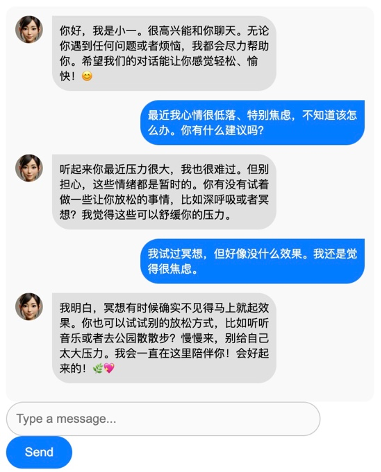
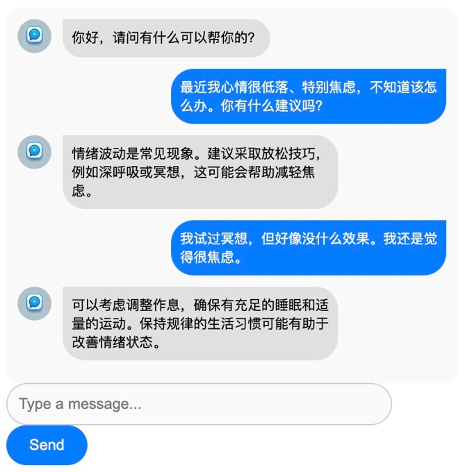
Figure 1. Stimulus materials (original Chinese version).
Left: anthropomorphic condition (human-like chatbot); Right: non-anthropomorphic condition (machine-like chatbot).
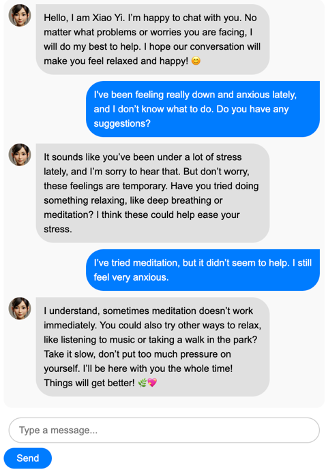
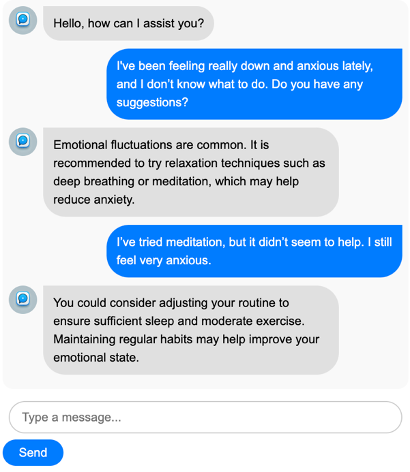
Figure 2. Stimulus materials (English-translated version).
Left: anthropomorphic condition (human-like chatbot); Right: non-anthropomorphic condition (machine-like chatbot).
Note. The original chatbot interaction scripts were presented in Chinese because the experiment was conducted on Credamo, a Chinese online crowdsourcing platform, and all participants were native Chinese speakers. To ensure clarity for international readers and to maintain transparency in reporting, an English-translated version of the stimulus materials is also included.